
Madi Tribe
Madi Tribe
The Enigmatic Madi Tribe: A Deep Dive into Culture, Traditions, and Lifestyle
Introduction
The Madi tribe, nestled in the heart of East Africa, is a fascinating community with a rich cultural heritage and vibrant traditions. This article delves into the history, customs, and way of life of the Madi people, offering a comprehensive understanding of their unique identity. From their traditional practices to their modern-day challenges, we explore the intricacies of the Madi tribe, providing insights into their enduring legacy.
Historical Background
The Madi tribe, primarily located in northern Uganda and southern South Sudan, has a history that dates back centuries. Their origins are shrouded in mystery, with oral traditions and folklore playing a significant role in preserving their past. The Madi people are part of the larger Nilotic ethnic group, known for their distinct linguistic and cultural traits.
Migration and Settlement
The Madi’s migration patterns have been influenced by various factors, including environmental changes and conflicts. Over time, they have established settlements along the banks of the Nile River, which has been crucial for their agricultural practices and sustenance.
Colonial Influence
During the colonial era, the Madi tribe, like many other African communities, faced significant disruptions. The imposition of colonial borders and policies affected their traditional way of life, leading to changes in their social and economic structures.
Cultural Practices
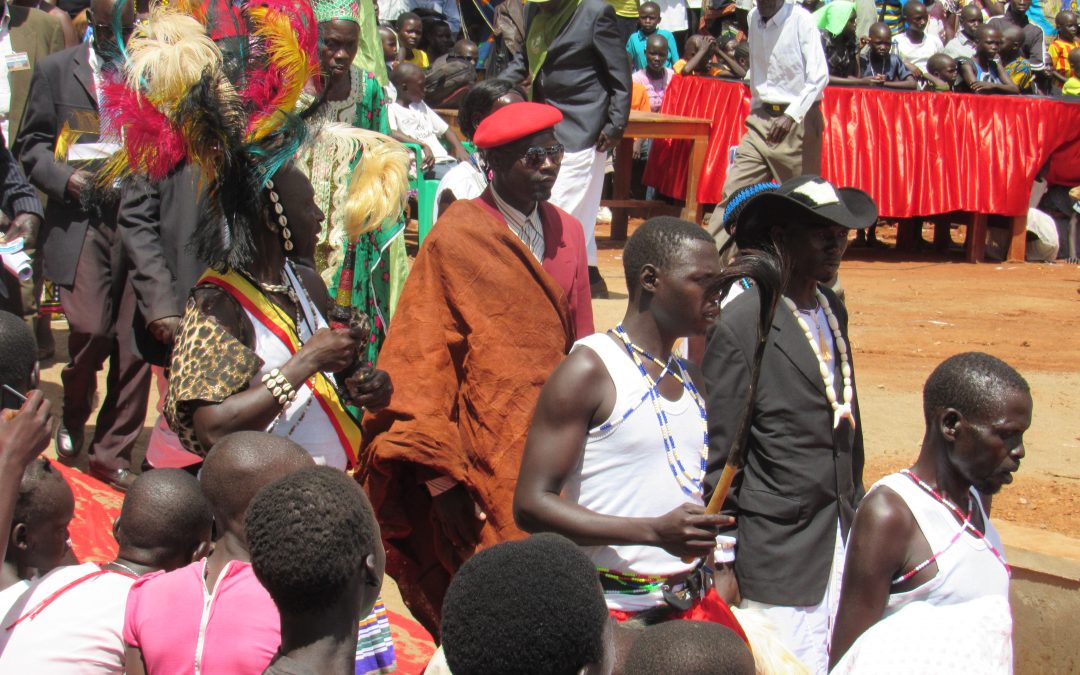
The Madi tribe is renowned for its rich cultural tapestry, which is reflected in their music, dance, and art. These cultural expressions are not only a source of entertainment but also a means of preserving their heritage.
Music and Dance
Music and dance are integral to Madi culture, serving as a medium for storytelling and communal bonding. Traditional instruments, such as drums and flutes, accompany vibrant dances that are performed during ceremonies and festivals.
Art and Craftsmanship
The Madi people are skilled artisans, known for their intricate beadwork and pottery. These crafts are not only a source of income but also a way to pass down cultural knowledge to younger generations.
Social Structure
The Madi tribe’s social structure is characterized by a strong sense of community and kinship. Family ties and clan affiliations play a crucial role in shaping their social interactions and governance.
Leadership and Governance
Traditional leadership among the Madi is vested in elders and clan leaders, who are responsible for maintaining order and resolving disputes. This system of governance is based on consensus and respect for age-old customs.
Gender Roles
Gender roles in Madi society are clearly defined, with men and women having distinct responsibilities. While men are typically involved in hunting and farming, women play a vital role in domestic tasks and child-rearing.
Modern Challenges
Despite their rich cultural heritage, the Madi tribe faces numerous challenges in the modern world. From environmental issues to socio-economic pressures, these challenges threaten their traditional way of life.
Environmental Concerns
The Madi’s reliance on agriculture makes them vulnerable to environmental changes, such as droughts and floods. These challenges necessitate sustainable practices to ensure food security and environmental conservation.
Socio-Economic Pressures
Globalization and modernization have introduced new socio-economic pressures, leading to changes in traditional livelihoods and migration patterns. The younger generation is increasingly moving to urban areas in search of better opportunities.
Conclusion
The Madi tribe’s enduring legacy is a testament to their resilience and adaptability. Despite facing numerous challenges, they continue to preserve their cultural heritage and traditions. Understanding the Madi tribe’s unique identity offers valuable insights into the broader tapestry of African cultures.
FAQs
What is the primary language spoken by the Madi tribe?
The Madi people primarily speak the Madi language, which is part of the Central Sudanic language family.
How do the Madi people celebrate their traditional festivals?
Traditional festivals among the Madi are celebrated with music, dance, and communal feasting. These events are an opportunity for social bonding and cultural expression.
What are the main economic activities of the Madi tribe?
The Madi tribe primarily relies on agriculture, with crops such as millet, sorghum, and maize being the main staples. Fishing and livestock rearing are also important economic activities.
How has modernization affected the Madi tribe?
Modernization has introduced new challenges and opportunities for the Madi tribe. While it has led to improved access to education and healthcare, it has also resulted in changes to traditional livelihoods and migration patterns.
What efforts are being made to preserve Madi culture?
Efforts to preserve Madi culture include cultural festivals, educational programs, and initiatives to document oral traditions and folklore. These efforts aim to ensure that future generations can continue to celebrate and appreciate their rich heritage.