
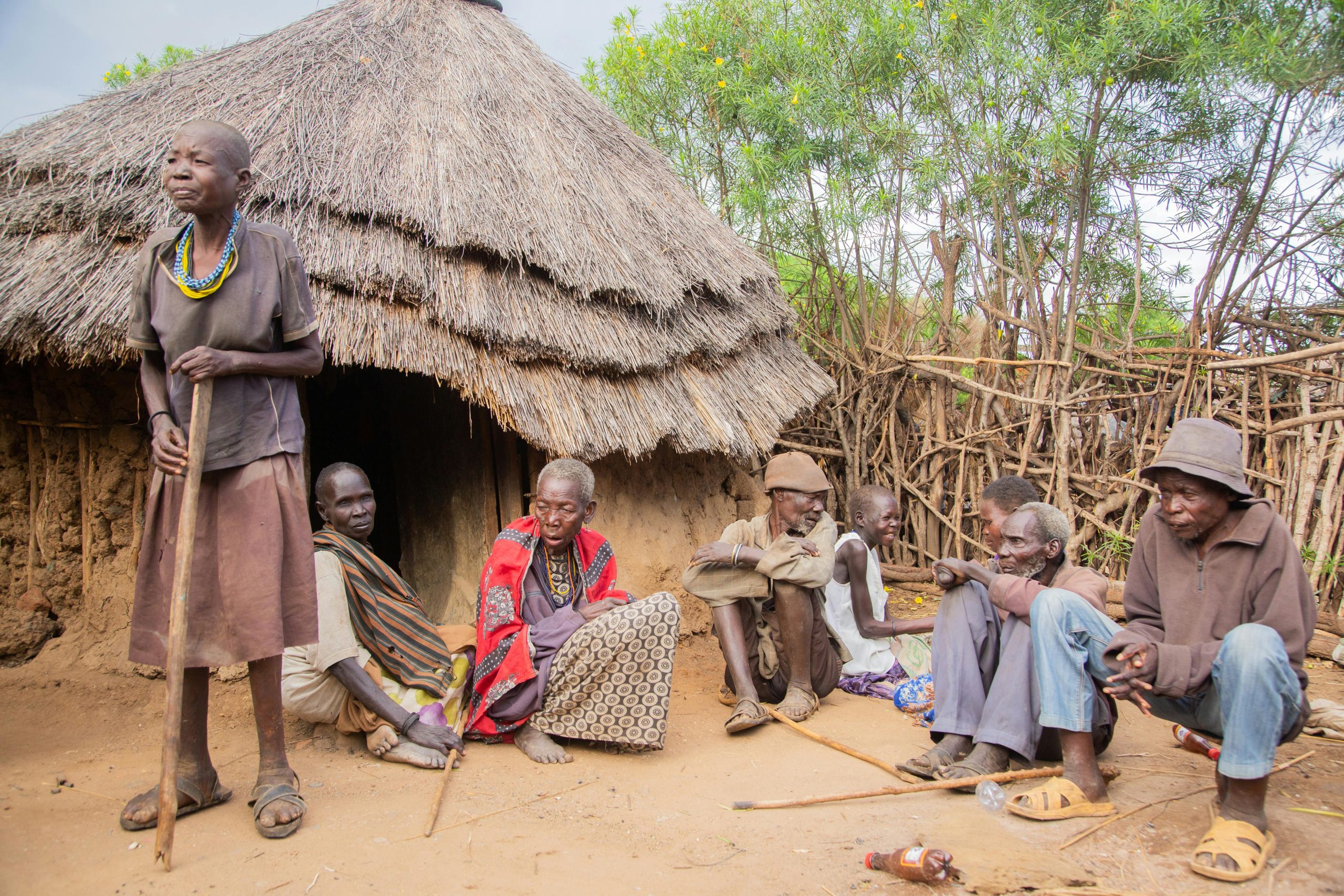
Masai Community
Masai Community
The Masai Community: A Deep Dive into the Culture, Traditions, and Modern Evolution of East Africa’s Iconic Tribe
Introduction
The Masai community, also spelled Maasai, is one of the most recognized and culturally vibrant ethnic groups in East Africa. Known for their striking attire, pastoral lifestyle, and deep-rooted traditions, the Masai people have long fascinated anthropologists, travelers, and cultural enthusiasts. Primarily found in southern Kenya and northern Tanzania, the Masai have managed to preserve much of their ancestral heritage despite the pressures of modernization and globalization.
This article explores the many facets of the Masai community — from their historical origins and social organization to their spiritual beliefs, economic practices, and the challenges they face in the modern world. Whether you are a student, researcher, or simply curious about indigenous cultures, this guide offers a detailed and respectful look into one of Africa’s most iconic peoples.
Historical Background
The Masai trace their origins to the Nile Valley, from where they migrated southward through Sudan into Kenya and Tanzania around the 15th century. As part of the Nilotic ethnic group, they were traditionally pastoralists, relying heavily on cattle for food, trade, and social status.
Their migration was marked by territorial expansion and occasional conflict with neighboring communities. Despite the disruptions caused by colonial rule under the British in Kenya and the Germans in Tanzania, the Masai maintained much of their cultural autonomy. Their resilience and ability to adapt have allowed them to continue practicing many of their traditions today.
Geographical Distribution
The Masai are primarily located in:
- The Great Rift Valley of Kenya
- The Serengeti and Ngorongoro regions of Tanzania
- Kajiado, Narok, and Laikipia counties in Kenya
- Arusha and Manyara regions in Tanzania
These regions are characterized by open grasslands and savannahs, ideal for cattle grazing — an essential aspect of Masai life.
Language and Communication
The Masai speak Maa, a Nilo-Saharan language that belongs to the Eastern Nilotic branch. While Maa remains the primary language in rural areas, many Masai are also fluent in Swahili and English, especially in urban or tourist-influenced regions.
Features of the Maa Language:
- It is a tonal language with complex verb structures.
- Oral storytelling plays a central role in cultural transmission.
- Proverbs, metaphors, and traditional songs are commonly used in everyday communication.
Social Structure and Family Life
The Masai community is organized into a patriarchal clan system. Each clan is further divided into age-sets, which determine social roles and responsibilities.
Key Social Units:
- Enkaji (Homestead): A family compound constructed from mud, sticks, and cow dung.
- Age-Sets: Groups of males initiated together into adulthood. These age-sets define one’s role in society, from warrior to elder.
- Elders: Respected figures who serve as decision-makers and custodians of tradition.
Marriage is often arranged, and polygamy is common. Women play vital roles in household management and child-rearing, although traditional gender roles are gradually evolving.
Traditional Attire and Jewelry
The Masai are known for their colorful clothing and elaborate beadwork, which serve not only as decoration but also as markers of identity and status.
Clothing:
- Shúkà: A red or blue cloth wrapped around the body, often layered and tied in various styles.
- Sandals: Traditionally made from cowhide, though modern versions often use recycled rubber.
Jewelry:
- Beaded necklaces, earrings, and bracelets are worn by both men and women.
- Each color and pattern in the beadwork carries symbolic meaning — for example, red symbolizes bravery, while white represents purity and health.
Beadwork is a communal activity, often passed down from mother to daughter, and plays a significant role in ceremonies and daily life.
Cultural Practices and Ceremonies
The Masai observe numerous rites of passage that mark transitions between life stages. These ceremonies are deeply spiritual and involve the entire community.
Major Ceremonies:
- Enkipaata: A pre-circumcision ceremony for boys, preparing them for initiation.
- Emuratta: Circumcision that marks the transition from boyhood to warrior status.
- Eunoto: A ceremony that transitions warriors into elderhood, often involving elaborate rituals and feasting.
- Enkiama: The traditional marriage ceremony, which includes dowry negotiations and symbolic rituals.
- Olng’esherr: The final rite that marks the full transition into elderhood.
These ceremonies often include singing, dancing, storytelling, and communal meals, reinforcing the bonds within the community.
Spiritual Beliefs and Religion
The Masai believe in a monotheistic deity known as Enkai (or Engai), who manifests in two forms:
- Enkai Narok (Black God): Associated with benevolence, fertility, and rain.
- Enkai Na-nyokie (Red God): Associated with vengeance and misfortune.
Spiritual leaders, known as Laibons, serve as healers, prophets, and intermediaries between the people and Enkai. They play a crucial role in guiding the community through spiritual and social matters.
Diet and Livelihood
Traditionally, the Masai diet revolves around cattle products:
- Milk
- Meat
- Blood (consumed during special ceremonies or times of need)
However, due to environmental changes and economic pressures, the Masai have diversified their diet to include:
- Maize meal (ugali)
- Vegetables and legumes
- Rice and beans
Cattle remain central to their economy and culture, symbolizing wealth, status, and spiritual connection. In addition to pastoralism, some Masai now engage in agriculture, trade, and wage labor.
Interaction with Wildlife and Conservation
The Masai live in close proximity to some of Africa’s most famous wildlife reserves, such as the Maasai Mara and Serengeti. Their traditional lifestyle has long coexisted with wildlife, and they are increasingly involved in conservation efforts.
Roles in Conservation:
- Participating in eco-tourism and community-based wildlife management
- Serving as guides and rangers in national parks
- Practicing rotational grazing to preserve grasslands
Despite their contributions, conservation policies have sometimes led to land disputes and displacement, challenging the Masai’s rights to their ancestral lands.
Modern Challenges and Adaptation
The Masai face a range of challenges in the modern era:
- Land alienation due to conservation and development projects
- Climate change affecting water sources and grazing lands
- Limited access to education and healthcare
- Cultural erosion through globalization and urbanization
Yet, the community is adapting in various ways. Many Masai are embracing education, participating in political advocacy, and integrating modern technologies into their daily lives while striving to preserve their cultural identity.
Educational and Economic Transformation
Education is increasingly seen as a path to empowerment among the Masai. While traditional roles remain important, more families are sending their children — especially girls — to school.
Progress in Education:
- Establishment of community schools in rural areas
- Scholarship programs and NGOs supporting Masai students
- Adult literacy classes and vocational training
Economically, the Masai are diversifying their income sources:
- Selling traditional beadwork and crafts
- Engaging in cultural tourism and hospitality
- Participating in livestock markets and agribusiness
These changes are helping the community navigate the demands of a modern economy while maintaining their cultural values.
Tourism and Cultural Representation
The Masai are a major attraction for tourists visiting East Africa. Their image is often used in promotional materials for safaris and cultural tours.
Benefits of Tourism:
- Provides income and employment opportunities
- Encourages cultural preservation through storytelling and performance
- Fosters cross-cultural understanding
Risks of Tourism:
- Cultural commodification and stereotyping
- Unequal distribution of tourism revenues
- Disruption of traditional practices
Efforts are being made to promote ethical tourism that respects the Masai’s autonomy and ensures that they benefit directly from cultural exchange.
Frequently Asked Questions
1. Where do the Masai people live?
The Masai primarily live in southern Kenya and northern Tanzania, in regions such as the Great Rift Valley, the Serengeti, and the Maasai Mara.
2. What do the Masai eat?
Their traditional diet includes milk, meat, and blood from cattle. In recent years, they have incorporated maize, vegetables, and grains into their meals.
3. What language do the Masai speak?
They speak Maa, a Nilotic language. Many also speak Swahili and English, especially in areas with more exposure to education and tourism.
4. Are the Masai still nomadic?
While traditionally semi-nomadic, many Masai have adopted more settled lifestyles due to land restrictions and modern influences.
5. How can I visit a Masai village respectfully?
Visitors should choose ethical tour operators, ask for permission before taking photos, and support local artisans and guides.
Conclusion
The Masai community stands as a powerful symbol of cultural resilience and identity in a rapidly changing world. Their ability to maintain a strong connection to their traditions while adapting to modern realities is both inspiring and instructive. As they navigate the complexities of the 21st century, the Masai continue to offer valuable insights into sustainable living, communal values, and the importance of preserving cultural heritage.
By learning about and respecting the Masai way of life, we contribute to a broader understanding of the diverse human experience — one that honors the past while embracing the future.