
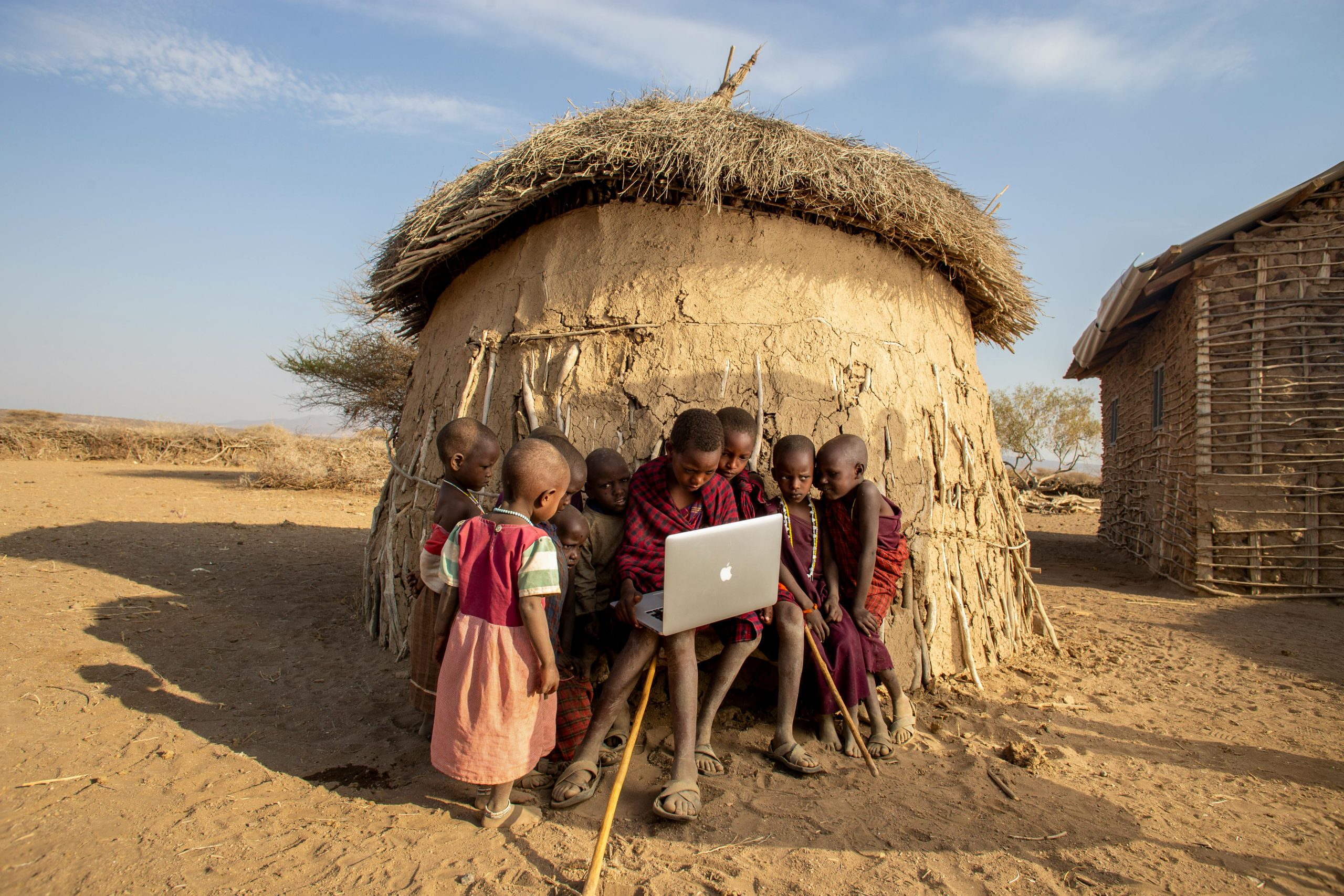
Masai Kenya
Masai Kenya
Discovering the Masai of Kenya: Culture, Traditions, and the Spirit of the Savannah
Introduction: The Timeless Legacy of the Masai People
Nestled in the heart of East Africa, the Masai of Kenya are among the most iconic and resilient indigenous communities on the continent. Known for their vibrant attire, semi-nomadic lifestyle, and deep-rooted traditions, the Masai (also spelled Maasai) have captivated the world with their unique way of life. This article delves deep into the Masai culture, their historical journey, and their enduring connection to the land, offering a comprehensive exploration for travelers, anthropologists, and cultural enthusiasts alike.
Who Are the Masai?
The Masai are a Nilotic ethnic group inhabiting southern Kenya and northern Tanzania. They are part of the larger Nilotic-speaking peoples, believed to have migrated from the Nile Valley. Today, they are best known for their pastoral lifestyle, traditional customs, and resistance to modernization, which has helped preserve their cultural identity.
Origins and Migration
- Originated from the Nile Valley region
- Migrated southwards during the 15th century
- Settled in the Great Rift Valley region of Kenya and Tanzania
Their migration was driven by the search for fertile grazing lands and water for their cattle, which remain central to their economy and social structure.
Masai Culture: A Living Tradition
Language and Communication
The Masai speak Maa, a language belonging to the Eastern Nilotic branch of the Nilo-Saharan language family. However, many are also fluent in Swahili and English, especially in regions frequented by tourists.
Clothing and Adornments
One of the most visually striking aspects of the Masai is their attire:
- Shúkà: The traditional red cloth worn by men, symbolizing bravery and unity
- Beaded jewelry: Intricate beadwork worn by both men and women, each color and pattern holding cultural significance
- Ear stretching: A traditional form of body modification that signifies beauty and status
These adornments are not merely decorative but are steeped in symbolism and social meaning.
Social Structure and Roles
The Masai social system is organized around age-sets and clans. Key roles include:
- Elders: Decision-makers and custodians of tradition
- Morans (Warriors): Young men undergoing rites of passage, responsible for security and herding
- Women: Caretakers of the home, responsible for building houses, raising children, and managing domestic affairs
Each role is defined by a series of ceremonies and rituals that mark transitions in life.
The Masai and Their Cattle: A Sacred Bond
Cattle are the cornerstone of Masai life. They are not only a source of food but also a symbol of wealth, status, and spiritual connection.
Uses of Cattle
- Milk and blood: Staple components of the Masai diet
- Dowries and trade: Cattle are used in marriage negotiations and trade
- Ceremonial purposes: Integral to rituals and religious practices
The Masai believe that all cattle on earth were given to them by Enkai (God), reinforcing their spiritual bond with their herds.
Rites of Passage: The Journey of Life
The Masai community is renowned for its elaborate rites of passage, which mark significant life stages.
Key Ceremonies
- Enkipaata: Pre-circumcision ceremony for boys
- Emuratta: Circumcision ritual marking the transition to manhood
- Eunoto: Ceremony that graduates warriors into elderhood
- Marriage rituals: Involving dowry negotiations and community celebrations
- Eunoto for women: Marks transition to adulthood and readiness for marriage
These ceremonies are deeply spiritual and are often accompanied by singing, dancing, and feasting.
Masai and the Land: Guardians of the Savannah
The Masai have a profound connection to the land, especially the savannah ecosystems of the Great Rift Valley and the Maasai Mara.
Sustainable Living
- Nomadic pastoralism: Moving with the seasons to prevent overgrazing
- Traditional ecological knowledge: Deep understanding of weather patterns, animal behavior, and medicinal plants
- Conservation partnerships: Collaborating with NGOs and governments to protect wildlife and habitats
Their lifestyle has inadvertently contributed to the preservation of some of Africa’s most iconic landscapes and wildlife.
Challenges Facing the Masai Today
Despite their resilience, the Masai face numerous challenges in the modern world.
Land Rights and Encroachment
- Loss of ancestral lands to national parks and private developers
- Displacement due to tourism and conservation efforts
- Struggles for legal recognition and land titles
Climate Change
- Droughts and erratic weather patterns affecting cattle and agriculture
- Increased competition for water and pasture
Cultural Erosion
- Pressure to assimilate into mainstream society
- Youth migration to urban areas
- Decline in traditional practices and language use
Masai in the Modern World
While many Masai continue to live traditionally, others are embracing aspects of modern life.
Education and Empowerment
- Growing number of Masai children attending school
- Emergence of Masai professionals in politics, medicine, and education
- Women’s empowerment initiatives promoting gender equality
Tourism and Cultural Exchange
The Masai Mara National Reserve has become a hub for cultural tourism, offering:
- Village visits and homestays
- Traditional dance performances
- Handicraft markets showcasing beadwork and carvings
These interactions provide income and help preserve cultural heritage.
The Masai and Wildlife Conservation
The Masai have become unlikely allies in the fight for wildlife conservation.
Community Conservancies
- Locally managed conservation areas that balance wildlife protection with community needs
- Examples: Ol Kinyei Conservancy, Naboisho Conservancy
Benefits of Conservation
- Employment opportunities as rangers and guides
- Revenue sharing from eco-tourism
- Preservation of biodiversity and traditional knowledge
Masai Cuisine: A Taste of Tradition
Masai food is simple yet symbolic, reflecting their pastoral lifestyle.
Common Dishes
- Milk and blood: Often mixed and consumed as a high-protein drink
- Ugali: A maize-based porridge
- Nyama choma: Grilled meat, often goat or beef
- Sour milk (Mursik): Fermented milk with ash, a delicacy
These dishes are often shared during communal gatherings and ceremonies.
Masai Architecture: Homes of the Savannah
Masai homes, known as enkangs, are built by women using natural materials.
Features of a Traditional Masai House
- Made from mud, sticks, grass, and cow dung
- Circular or oval in shape
- Designed to be temporary and easily rebuilt
The layout reflects the communal nature of Masai life, with livestock enclosures at the center.
Masai Beliefs and Spirituality
The Masai believe in a monotheistic deity called Enkai or Engai, who is both benevolent and wrathful.
Spiritual Practices
- Prayer and offerings: Conducted at sacred sites and during ceremonies
- Diviners and prophets: Serve as intermediaries between the people and Enkai
- Nature worship: Reverence for mountains, rivers, and sacred trees
Their spirituality is deeply intertwined with the natural world.
The Global Fascination with the Masai
The Masai have become cultural icons, often featured in documentaries, fashion, and photography.
Representation in Media
- Featured in National Geographic and BBC documentaries
- Inspiration for fashion designers and artists
- Symbol of African heritage and resilience
However, this fascination sometimes leads to cultural appropriation, raising ethical concerns about representation and exploitation.
How to Respectfully Experience Masai Culture
If you wish to engage with the Masai, it’s important to do so respectfully.
Responsible Tourism Tips
- Choose ethical tour operators that support local communities
- Ask permission before taking photos
- Buy authentic crafts directly from artisans
- Learn a few words in Maa to show respect
Conclusion: The Enduring Spirit of the Masai
The Masai of Kenya are more than just a cultural attraction—they are a living testament to the power of tradition, resilience, and harmony with nature. As they navigate the complexities of the modern world, their story continues to inspire and educate. Whether through their vibrant ceremonies, sustainable practices, or spiritual wisdom, the Masai offer a profound lesson in what it means to live with purpose and pride.
Frequently Asked Questions (FAQ)
1. Where do the Masai people live?
The Masai primarily inhabit the southern regions of Kenya and northern Tanzania, particularly around the Great Rift Valley and the Maasai Mara. Their settlements are often found near national parks and wildlife reserves.
2. What language do the Masai speak?
The Masai speak Maa, a Nilotic language. Many also speak Swahili and English, especially in areas influenced by tourism and education.
3. What is the significance of cattle in Masai culture?
Cattle are central to Masai life, serving as a source of food, wealth, and spiritual connection. They are used in ceremonies, dowries, and daily sustenance.
4. Can tourists visit Masai villages?
Yes, many Masai villages welcome tourists for cultural exchanges. It’s important to choose ethical tour operators and engage respectfully with the community.
5. How are the Masai adapting to modern challenges?
The Masai are embracing education, women’s empowerment, and conservation partnerships while striving to preserve their cultural identity. Many are involved in eco-tourism, community leadership, and advocacy for land rights.