
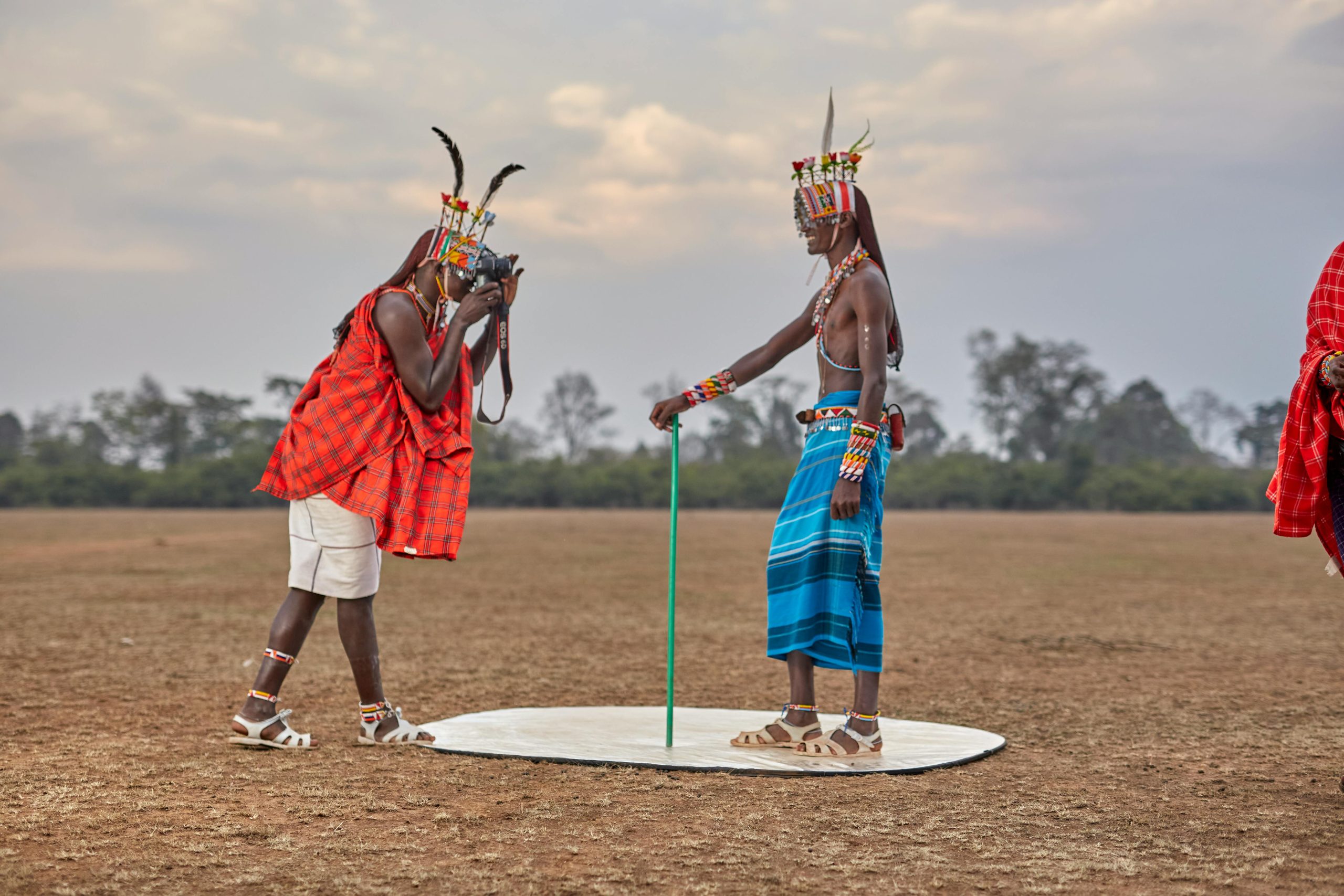
Masai Lifestyle
Masai Lifestyle
The Enigmatic Masai Lifestyle: A Deep Dive into the Culture, Traditions, and Resilience of East Africa’s Iconic Tribe
Introduction
The Masai lifestyle is a captivating tapestry woven from centuries of tradition, resilience, and cultural pride. Nestled in the heart of East Africa, primarily in southern Kenya and northern Tanzania, the Masai people have long fascinated anthropologists, travelers, and cultural enthusiasts alike. Their vibrant attire, semi-nomadic way of life, and unwavering commitment to ancestral customs set them apart in a rapidly modernizing world.
In this comprehensive exploration, we delve into the intricate aspects of the Masai way of life—from their social structure and spiritual beliefs to their diet, dress, and modern-day challenges. This article is designed not only to inform but also to optimize for search engines, ensuring that readers and researchers alike can easily access this rich cultural narrative.
Who Are the Masai?
The Masai (or Maasai) are a Nilotic ethnic group, believed to have migrated from the Nile Valley to East Africa centuries ago. Today, they inhabit the arid and semi-arid lands of the Great Rift Valley, where they continue to uphold traditions that have been passed down through generations.
Key Characteristics of the Masai People:
- Speak the Maa language, part of the Eastern Nilotic language family.
- Known for their tall stature and distinctive red shukas (cloaks).
- Live in enkangs (villages) composed of mud-walled huts called manyattas.
- Practice a semi-nomadic pastoralist lifestyle centered around cattle.
👉 Learn more about the Masai history and their migration patterns.
The Social Structure of the Masai
The Masai society is organized around age-sets and clans, which play a crucial role in governance, rites of passage, and social responsibilities.
Age-Set System
The age-set system is a unique feature of the Masai social order. Boys are grouped into age-sets during initiation ceremonies and move through various stages of life together.
- Warriors (Morans): Young men who protect the community and herd cattle.
- Junior Elders: Former warriors who begin to take on leadership roles.
- Senior Elders: Respected decision-makers and spiritual leaders.
Clan System
Masai clans are patrilineal and exogamous, meaning individuals must marry outside their own clan. Each clan has specific roles and taboos, contributing to the balance and harmony of the society.
🔗 Explore the Masai clan system in depth.
Masai Beliefs and Spirituality
At the heart of Masai spirituality is a monotheistic belief in Enkai (or Engai), a supreme god associated with rain, fertility, and life.
Core Spiritual Beliefs:
- Enkai is both benevolent and wrathful, controlling natural elements.
- Cattle are considered sacred and a direct gift from Enkai.
- Rituals and prayers are conducted by Laibons, spiritual leaders and healers.
The Masai worldview is deeply intertwined with nature, emphasizing harmony with the environment and reverence for ancestral spirits.
🌿 Discover more about Masai religion and rituals.
Daily Life and Economic Activities
Despite modernization, the Masai have preserved much of their traditional lifestyle, especially in rural areas.
Cattle: The Heart of Masai Economy
Cattle are not just a source of food but a symbol of wealth, status, and spiritual connection.
- Used for milk, blood, and occasionally meat.
- Serve as dowry in marriage negotiations.
- Traded in local markets for goods and services.
Subsistence Practices
- Pastoralism: Moving herds in search of grazing lands.
- Beekeeping: A growing practice among Masai women.
- Craftsmanship: Beadwork and jewelry are significant sources of income.
💼 Learn how Masai economic practices are evolving in the modern era.
Traditional Masai Attire and Adornment
The Masai are instantly recognizable by their colorful clothing and elaborate beadwork, which hold deep cultural significance.
Masai Clothing
- Shuka: A red or blue cloth wrapped around the body.
- Sandals: Traditionally made from cowhide or recycled tires.
- Belts and Capes: Often adorned with beads and shells.
Beadwork and Jewelry
Beadwork is more than decoration—it tells stories of identity, status, and community.
- Colors represent different values (e.g., red for bravery, white for purity).
- Necklaces, earrings, and bracelets are worn by both genders.
- Designs vary by age, marital status, and occasion.
👗 Dive into the symbolism of Masai beadwork.
Rites of Passage and Ceremonies
Ceremonies are central to the Masai way of life, marking transitions from one life stage to another.
Major Rites of Passage:
- Enkipaata: Pre-initiation ceremony for boys.
- Emuratare: Male circumcision, a rite of passage into manhood.
- Eunoto: Graduation of warriors into elderhood.
- Marriage Rituals: Involving dowry, blessings, and communal feasts.
These ceremonies are accompanied by singing, dancing, and storytelling, reinforcing social bonds and cultural continuity.
🎉 Explore the Masai rites of passage.
The Role of Women in Masai Society
While traditionally patriarchal, Masai society is seeing a gradual shift in gender roles, especially with increased access to education.
Traditional Roles:
- Women build homes, care for children, and manage household duties.
- Participate in beadwork and local markets.
- Marriages are arranged, often at a young age.
Emerging Changes:
- Girls’ education is gaining traction, thanks to NGOs and advocacy.
- Women are forming cooperatives to sell crafts and honey.
- Some are becoming community leaders and health workers.
👩🦱 Learn about Masai women’s empowerment.
Challenges Facing the Masai Today
Despite their resilience, the Masai face numerous challenges in the modern world.
Environmental Pressures:
- Climate change affecting grazing lands and water sources.
- Land disputes with governments and private investors.
- Encroachment from tourism and urban development.
Cultural Erosion:
- Youth migration to cities for education and jobs.
- Influence of Western culture and religion.
- Loss of language and traditional knowledge.
Health and Education:
- Limited access to healthcare facilities.
- High maternal and infant mortality rates.
- Low literacy rates, especially among girls.
📉 Read more about the threats to Masai culture.
Modern Adaptations and Global Influence
The Masai are not static relics of the past—they are adapting, innovating, and influencing global culture.
Tourism and Cultural Exchange:
- Masai villages welcome tourists for cultural immersion.
- Performances and storytelling shared across the globe.
- Masai warriors featured in documentaries and fashion shows.
Education and Technology:
- Mobile phones used for communication and market access.
- Schools and health clinics established in remote areas.
- Youth engaging in activism and environmental conservation.
🌍 Discover how the Masai are adapting to modern challenges.
Frequently Asked Questions (FAQ)
1. Where do the Masai people live?
The Masai primarily inhabit southern Kenya and northern Tanzania, particularly in the Great Rift Valley. Their settlements are often near national parks like the Maasai Mara and Serengeti.
🔗 Explore Masai geography.
2. What language do the Masai speak?
The Masai speak Maa, a Nilotic language. Many also speak Swahili and English, especially in urban or tourist areas.
🔗 Learn about the Maa language.
3. What do the Masai eat?
Their diet mainly consists of milk, meat, and blood from cattle. In recent years, they have incorporated grains, vegetables, and tea due to changing lifestyles.
4. Are the Masai still nomadic?
While traditionally semi-nomadic, many Masai now practice sedentary pastoralism due to land restrictions and modernization. However, mobility remains a key aspect of their identity.
5. How can I visit a Masai village respectfully?
Visitors are welcome in many Masai villages, but it’s important to go through ethical tour operators and respect local customs. Always ask before taking photos and consider supporting local artisans.
🔗 Tips for visiting Masai communities.
Conclusion
The Masai lifestyle is a testament to the enduring power of tradition in a rapidly changing world. From their spiritual beliefs and social structures to their vibrant attire and evolving roles, the Masai offer a living example of cultural resilience and adaptability.
As globalization continues to reshape societies, the Masai remind us of the importance of preserving heritage while embracing change. Their story is not just one of survival, but of thriving—on their own terms.