
Masai Mara Best Time
Masai Mara Best Time
The Best Time to Visit Masai Mara: A Complete Guide for an Unforgettable Safari Experience
The Masai Mara National Reserve is one of Africa’s most iconic wildlife destinations. Located in southwestern Kenya, this vast savannah ecosystem is renowned for its breathtaking landscapes, rich biodiversity, and the world-famous Great Migration. But when is the best time to visit Masai Mara to witness its wonders at their peak?
In this comprehensive guide, we’ll explore the ideal times to plan your safari, what to expect during different seasons, and how to make the most of your journey to this extraordinary wilderness. Whether you’re a wildlife enthusiast, a photographer, or a first-time traveler, understanding the best time to visit Masai Mara is crucial for an unforgettable experience.
Understanding Masai Mara’s Climate
The Masai Mara enjoys a subtropical climate, with two main seasons: the dry season and the rainy season. Temperatures remain relatively consistent throughout the year, with daytime highs averaging between 25°C to 30°C (77°F to 86°F).
Seasons at a Glance:
- Dry Season: June to October
- Short Rains: November to December
- Green Season (Wet): March to May
- Transition Months: January and February
Each season offers a unique perspective of the Mara, from lush green landscapes to dramatic predator-prey interactions.
The Great Migration: Nature’s Greatest Show
The Great Migration is the crown jewel of Masai Mara safaris. Over two million wildebeest, zebras, and gazelles move in a circular route between Tanzania’s Serengeti and Kenya’s Masai Mara in search of greener pastures.
Key Highlights:
- River Crossings: July to September
- Calving Season: January to February (in Serengeti)
- Predator Activity: Peaks during migration due to abundant prey
The best time to witness the Mara River crossings—a dramatic spectacle of survival—is from late July through early October.
Month-by-Month Guide to Visiting Masai Mara
January – February: Warm and Dry
- Climate: Hot and dry with occasional showers
- Wildlife: Excellent visibility, newborn animals in Serengeti
- Pros: Fewer tourists, great for birdwatching
- Cons: Migration is mostly in Tanzania
March – May: Long Rains
- Climate: Wettest period with heavy rains
- Wildlife: Lush landscapes, fewer crowds
- Pros: Budget-friendly, vibrant scenery
- Cons: Muddy roads, limited accessibility
June – July: Start of the Dry Season
- Climate: Cooler and dry
- Wildlife: Animals begin congregating near water sources
- Pros: Clear skies, start of migration
- Cons: Slightly unpredictable migration timing
August – October: Peak Migration Season
- Climate: Dry and warm
- Wildlife: River crossings, predator-prey action
- Pros: Best time for game viewing
- Cons: High prices, crowded lodges
November – December: Short Rains
- Climate: Intermittent showers
- Wildlife: Migrants begin returning south
- Pros: Green landscapes, fewer tourists
- Cons: Some lodges may close
Best Time for Wildlife Viewing
If your primary goal is to see the Big Five and the Great Migration, the dry season from July to October is ideal. During this period:
- Vegetation is sparse, making animals easier to spot
- Wildlife gathers around rivers and waterholes
- Predators are more active due to prey concentration
Top Wildlife to See:
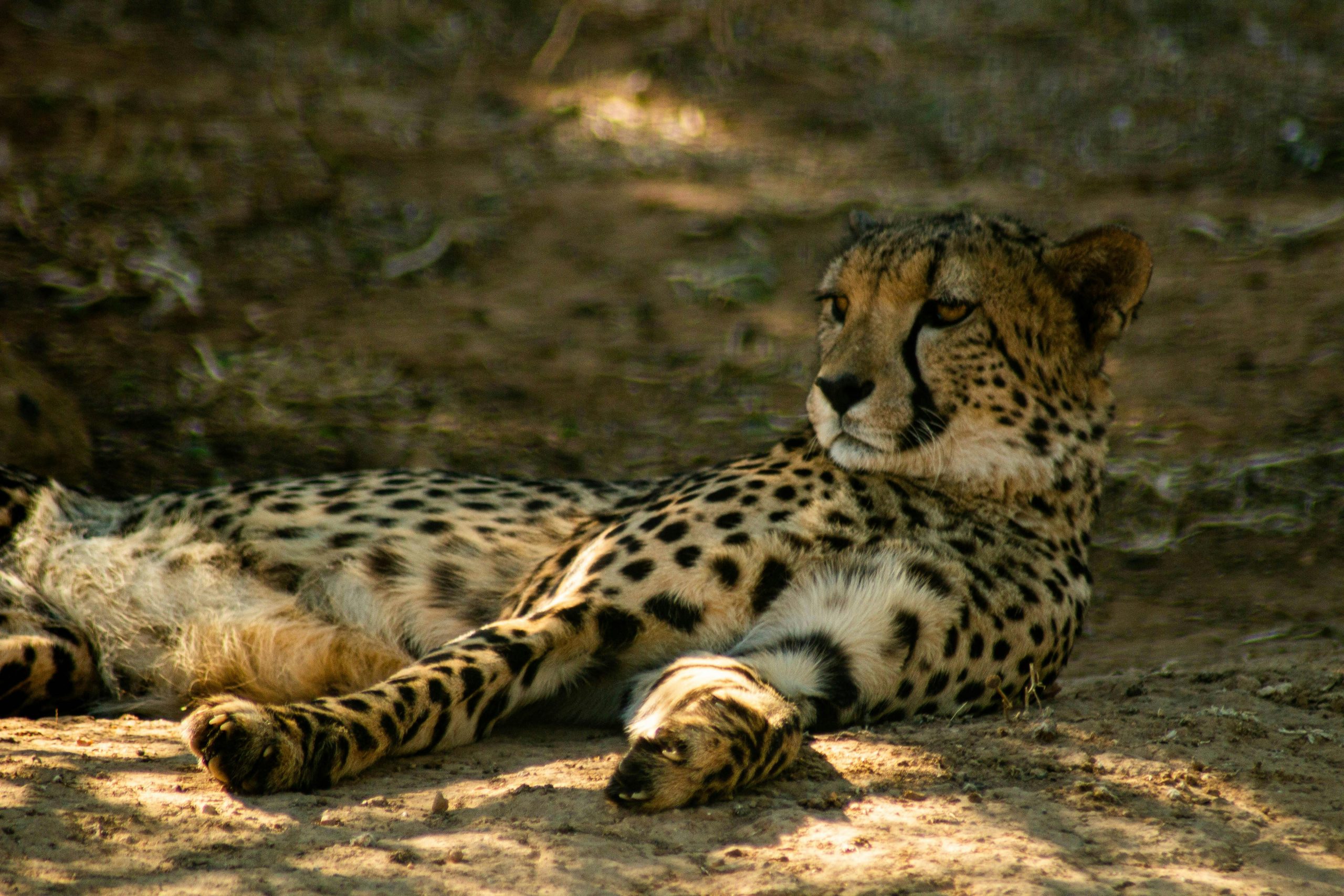
- Lions, leopards, and cheetahs
- Elephants and buffaloes
- Wildebeest and zebras
- Crocodiles and hippos during river crossings
Best Time for Photography
Photographers flock to Masai Mara for its golden light, dramatic action shots, and stunning backdrops. The best months for photography are:
- June to October: Crisp light, clear skies, and active wildlife
- January to February: Soft lighting and fewer vehicles
Photography Tips:
- Use a telephoto lens (300mm+)
- Shoot during golden hours (early morning and late afternoon)
- Capture wide-angle shots of the savannah
Low Season vs High Season: Pros and Cons
High Season (July – October)
Pros:
- Peak wildlife activity
- Great weather
- Migration spectacle
Cons:
- Expensive accommodations
- Crowded parks
Low Season (March – May)
Pros:
- Discounted rates
- Fewer tourists
- Beautiful green landscapes
Cons:
- Rain may disrupt game drives
- Migration is not in the Mara
Tips for Planning Your Safari
Planning a successful safari to Masai Mara involves more than just choosing the right time. Here are some expert tips:
Choose the Right Accommodation
- Luxury Lodges: Angama Mara, Mara Serena Safari Lodge
- Mid-Range Camps: Basecamp Explorer, Ilkeliani Camp
- Budget Options: Manyatta Camp, Mara River Lodge
Book Early
- Especially during migration season, lodges fill up fast
- Secure your spot 6–12 months in advance
Pack Accordingly
- Neutral-colored clothing
- Binoculars and camera gear
- Insect repellent and sunscreen
Hire a Reputable Tour Operator
- Look for operators with experienced guides
- Check reviews and certifications
FAQs About the Best Time to Visit Masai Mara
1. When is the best time to see the Great Migration in Masai Mara?
The best time to witness the Great Migration in Masai Mara is from late July to early October, when herds cross the Mara River in dramatic fashion.
2. Is it worth visiting Masai Mara during the rainy season?
Yes, especially for budget travelers and photographers. The green season (March to May) offers lush landscapes, vibrant birdlife, and lower prices, though accessibility may be limited.
3. What is the weather like in Masai Mara throughout the year?
Masai Mara has a mild climate year-round, with daytime temperatures between 25°C and 30°C. The dry season is from June to October, while the rainy seasons occur in March–May and November–December.
4. Are there fewer tourists during certain months?
Yes. March to May and November to December are considered low seasons, with fewer visitors and better deals on accommodations.
5. Can I see the Big Five any time of the year?
Absolutely. The Big Five—lion, leopard, elephant, buffalo, and rhino—can be spotted year-round in Masai Mara, although visibility improves during the dry season.
Conclusion
The best time to visit Masai Mara depends on your travel goals. For those seeking the thrill of the Great Migration, the dry months from July to October are unmatched. However, the reserve offers something magical in every season—from the lush serenity of the green months to the golden drama of the migration.
Whether you’re chasing the perfect photograph, ticking off wildlife from your bucket list, or simply immersing yourself in the raw beauty of Africa, Masai Mara delivers a safari experience like no other. Plan wisely, travel responsibly, and prepare to be transformed by the wild heart of Kenya.