
Masai Mara Migration
Masai Mara Migration
The Great Masai Mara Migration: A Spectacle of Nature
The Masai Mara Migration is one of the most breathtaking natural events on Earth. Each year, millions of wildebeest, zebras, and other herbivores embark on a perilous journey across the plains of East Africa, driven by the need to find fresh grazing grounds. This migration, often referred to as “The Great Migration,” is a cyclical event that takes place between the Serengeti in Tanzania and the Masai Mara in Kenya.
In this article, we will dive deep into the intricacies of the Masai Mara Migration, exploring the reasons behind it, the challenges faced by the animals, and the best times and places to witness this awe-inspiring event. We will also provide practical tips for travelers and answer some frequently asked questions about the migration.
What is the Masai Mara Migration?
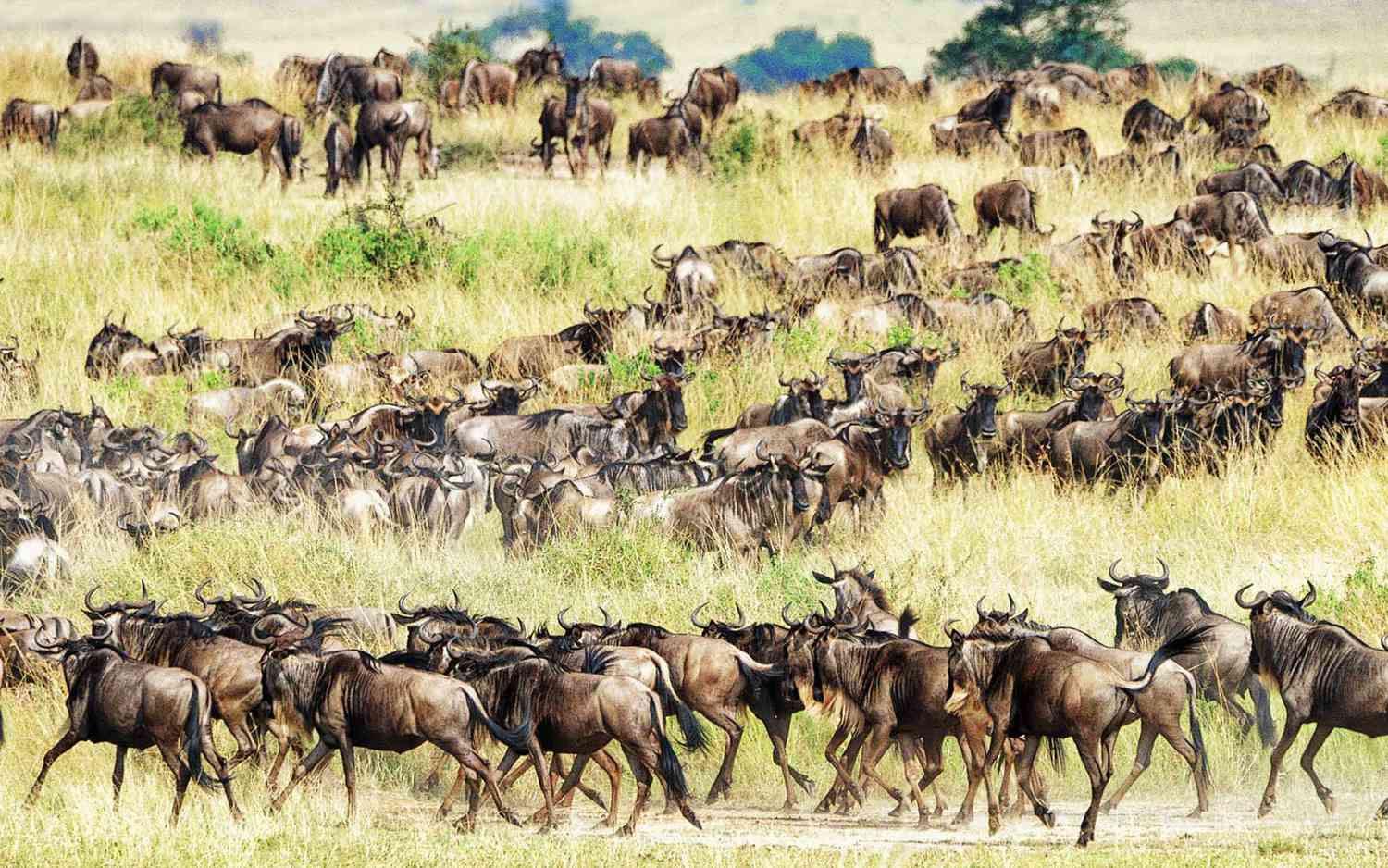
The Masai Mara Migration is a continuous movement of over 1.5 million wildebeest, accompanied by hundreds of thousands of zebras, gazelles, and other herbivores. This migration is driven by the animals’ search for fresh grass and water, as they follow the seasonal rains across the Serengeti-Masai Mara ecosystem.
The migration is not a single event but rather a year-round cycle. The animals move in a clockwise direction, starting from the southern Serengeti in Tanzania, moving northward into the Masai Mara in Kenya, and then returning south again. The entire journey covers approximately 1,800 miles and is fraught with danger, including predators, treacherous river crossings, and harsh weather conditions.
Why Do Animals Migrate?
The primary reason for the Great Migration is the search for food. The Serengeti and Masai Mara are home to vast grasslands that provide the grazing animals with the sustenance they need to survive. However, the availability of grass is dependent on the seasonal rains, which vary throughout the year.
As the dry season approaches, the grass in certain areas becomes depleted, forcing the animals to move in search of greener pastures. This movement is instinctual and has been occurring for thousands of years. The animals follow the rains, which stimulate the growth of fresh grass, ensuring that they have enough food to sustain themselves and their young.
The Journey of the Migration
The Masai Mara Migration can be divided into several key stages, each with its own unique challenges and highlights. Understanding these stages can help travelers plan their trips to witness the migration at its most dramatic moments.
1. Calving Season (January to March)
The migration begins in the southern Serengeti, where the wildebeest give birth to their young. This period, known as the calving season, takes place between January and March. During this time, over 500,000 wildebeest calves are born, making it a crucial stage in the migration cycle.
The abundance of newborns attracts predators such as lions, cheetahs, and hyenas, making the southern Serengeti a hotspot for dramatic wildlife encounters. While the calves are vulnerable, their sheer numbers provide some protection, as predators can only catch so many.
2. The Move North (April to June)
As the dry season sets in, the wildebeest and other herbivores begin their journey northward, leaving the southern Serengeti in search of greener pastures. This stage of the migration is characterized by long, arduous treks across the plains, with the animals covering vast distances each day.
During this time, the herds face numerous challenges, including exhaustion, dehydration, and attacks from predators. However, the promise of fresh grass in the northern Serengeti and Masai Mara drives them forward.
3. River Crossings (July to September)
One of the most dramatic and iconic moments of the Great Migration is the river crossings. Between July and September, the herds must cross the Mara River to reach the lush grasslands of the Masai Mara. These crossings are perilous, as the river is home to large populations of crocodiles, which lie in wait for the animals to enter the water.
The river crossings are a true test of survival, with many animals succumbing to the swift currents, crocodile attacks, or injuries sustained during the crossing. However, for those that make it across, the reward is access to the fertile grazing lands of the Masai Mara.
4. The Return South (October to December)
After spending several months in the Masai Mara, the herds begin their journey back to the southern Serengeti in search of fresh grass. This return journey is equally challenging, as the animals must once again navigate treacherous river crossings and evade predators.
By December, the herds have returned to the southern Serengeti, where the cycle begins anew with the calving season.
Best Time to Witness the Masai Mara Migration
The Great Migration is a year-round event, but certain times of the year offer better opportunities to witness specific aspects of the migration. Here is a breakdown of the best times to visit:
- January to March: Calving season in the southern Serengeti. This is the best time to see newborn wildebeest and predator activity.
- April to June: The herds are on the move, making their way northward. This is a great time to witness the migration in the central and northern Serengeti.
- July to September: The river crossings at the Mara River. This is the most dramatic and iconic stage of the migration and is best witnessed in the Masai Mara.
- October to December: The herds are returning south, and this is a good time to see the migration in the northern and central Serengeti.
Where to Stay During the Migration
There are numerous lodges and camps located throughout the Serengeti and Masai Mara, offering travelers the chance to experience the migration up close. Here are some of the top options:
- Luxury Lodges: For those seeking a high-end experience, there are several luxury lodges located in prime migration viewing areas. These lodges offer all-inclusive packages, including game drives, guided walks, and gourmet meals.
- Mobile Camps: Mobile camps are a popular option for travelers who want to stay close to the action. These camps move with the migration, ensuring that guests are always in the best location to witness the herds.
- Budget Camps: For travelers on a budget, there are several affordable camps located near the migration routes. While these camps may not offer the same level of luxury as the lodges, they provide a more authentic and immersive experience.
Tips for Witnessing the Masai Mara Migration
- Plan Ahead: The Great Migration is one of the most popular wildlife events in the world, so it’s important to book your trip well in advance, especially if you plan to visit during the peak season (July to September).
- Hire a Guide: A knowledgeable guide can make all the difference when it comes to witnessing the migration. They will know the best spots to see the herds and can provide valuable insights into the behavior of the animals.
- Be Patient: The migration is a natural event, and the animals move at their own pace. It’s important to be patient and flexible, as the herds may not always be in the exact location you expect them to be.
- Bring the Right Gear: Binoculars, a good camera, and comfortable clothing are essential for a successful migration safari. The weather can be unpredictable, so be prepared for both hot and cold conditions.
Frequently Asked Questions (FAQ)
1. When is the best time to see the Masai Mara Migration?
The best time to witness the Masai Mara Migration depends on what aspect of the migration you want to see. For the dramatic river crossings, July to September is ideal. For the calving season, January to March is the best time to visit.
2. How long does the Great Migration last?
The Great Migration is a year-round event, with the herds constantly moving in search of fresh grass. However, the most dramatic moments, such as the river crossings, typically occur between July and September.
3. What animals participate in the migration?
The migration is primarily made up of wildebeest, but zebras, gazelles, and other herbivores also participate. Predators such as lions, cheetahs, and crocodiles follow the herds, taking advantage of the abundance of prey.
4. Is it safe to visit during the migration?
Yes, it is safe to visit the Masai Mara and Serengeti during the migration. However, it’s important to follow the guidance of your guide and stay in designated areas to avoid any potential dangers.
5. How can I book a safari to see the migration?
There are many tour operators that offer safari packages to witness the Great Migration. It’s recommended to book through a reputable company that specializes in migration safaris to ensure you have the best experience possible.
Conclusion
The Masai Mara Migration is a once-in-a-lifetime experience that offers travelers the chance to witness one of nature’s most incredible spectacles. Whether you’re watching the dramatic river crossings or observing the newborn calves in the southern Serengeti, the migration is a testament to the resilience and adaptability of the animal kingdom.
By planning your trip carefully and choosing the right time and place to visit, you can ensure that you witness the migration in all its glory. Whether you’re a seasoned safari-goer or a first-time visitor, the Great Migration is an unforgettable adventure that will leave you in awe of the natural world.