
MASAI MARA NATIONAL PARK
MASAI MARA NATIONAL PARK
Masai Mara: The Ultimate Safari Destination in Africa
Introduction
The Masai Mara National Reserve is one of the most breathtaking and wildlife-rich destinations in the world. Located in Kenya, this vast savannah is home to the Big Five, the Great Migration, and an incredible diversity of flora and fauna. Whether you’re an adventurer, a nature enthusiast, or a photographer, the Masai Mara offers an unparalleled experience.
In this article, we will explore the wonders of the Masai Mara, its wildlife, the best time to visit, and essential travel tips.
1. Overview of Masai Mara
The Masai Mara National Reserve is a protected area in southwestern Kenya, covering approximately 1,510 square kilometers. It is part of the larger Serengeti-Mara ecosystem, which extends into Tanzania.
Key Facts About Masai Mara:
- Location: Narok County, Kenya
- Size: 1,510 sq. km
- Established: 1961
- Famous For: The Great Migration, Big Five, Maasai culture
- Climate: Warm days, cool nights, with two rainy seasons (April-May & November)
The reserve is named after the Maasai people, the indigenous inhabitants of the region, and the Mara River, which runs through it.
2. Wildlife in Masai Mara
The Masai Mara is home to an astonishing variety of wildlife, making it one of the best safari destinations in the world.
The Big Five
The Big Five—lion, elephant, buffalo, leopard, and rhinoceros—are among the most sought-after animals to see in the reserve.
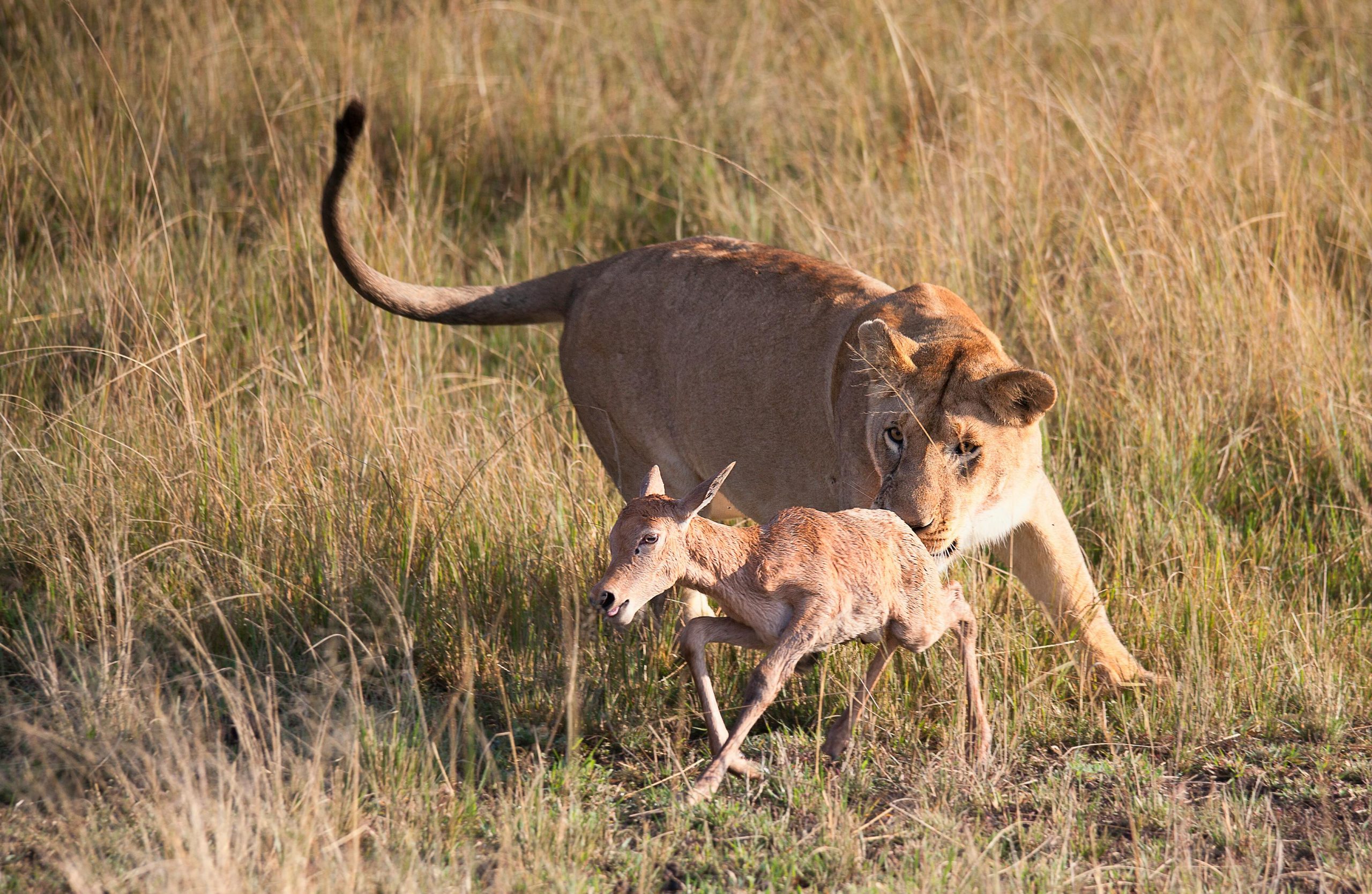
- Lions: The Masai Mara has one of the highest lion populations in Africa.
- Elephants: Large herds roam the plains, often seen near the Mara River.
- Buffaloes: These massive creatures are commonly found in grasslands.
- Leopards: Elusive and solitary, they are often spotted in trees.
- Rhinoceroses: The endangered black rhino can be found in protected areas.
Other Notable Wildlife
- Cheetahs – The fastest land animals, often seen hunting.
- Giraffes – The Masai giraffe is unique to this region.
- Hippos & Crocodiles – Found in the Mara and Talek Rivers.
- Zebras & Wildebeests – Key participants in the Great Migration.
3. The Great Migration
One of the most spectacular wildlife events in the world, the Great Migration, takes place annually between July and October. Over 1.5 million wildebeests, accompanied by zebras and gazelles, cross from the Serengeti in Tanzania to the Masai Mara in search of fresh grazing lands.
Highlights of the Great Migration:
- River Crossings: Thousands of wildebeests cross the crocodile-infested Mara River.
- Predator Action: Lions, cheetahs, and hyenas take advantage of the migration.
- Scenic Views: Endless herds moving across the golden savannah.
The Great Migration is often referred to as the “Eighth Wonder of the World” due to its sheer scale and drama.
4. Best Time to Visit Masai Mara
The Masai Mara is a year-round destination, but the best time to visit depends on what you want to see.
Best Seasons for Safari:
- July – October: Peak season for the Great Migration.
- December – February: Best time for predator sightings.
- March – May: Green season with fewer tourists and lush landscapes.
For photographers, the golden light of the dry season (June – October) offers the best conditions for capturing stunning wildlife shots.
5. Safari Experiences in Masai Mara
A safari in the Masai Mara is an unforgettable experience, offering various ways to explore the wilderness.
Types of Safaris:
- Game Drives: The most popular way to explore, available in morning, afternoon, and full-day tours.
- Hot Air Balloon Safari: A breathtaking aerial view of the Mara at sunrise.
- Walking Safaris: Guided by Maasai warriors, offering a unique perspective.
- Night Safaris: Available in private conservancies, allowing nocturnal wildlife sightings.
Top Safari Lodges & Camps
- Mara Serena Safari Lodge – Luxury lodge with panoramic views.
- Governors’ Camp – A historic tented camp along the Mara River.
- Angama Mara – A high-end lodge offering spectacular scenery.
- Kichwa Tembo Camp – Ideal for those seeking a classic safari experience.
6. The Maasai People and Culture
The Maasai are a semi-nomadic ethnic group known for their rich traditions and deep connection with nature.
Cultural Highlights:
- Traditional Dances: The famous jumping dance (Adumu) performed by Maasai warriors.
- Maasai Villages: Visitors can experience authentic Maasai life in Manyattas (traditional homes).
- Handicrafts: Beautiful beadwork and handmade jewelry are available for purchase.
Interacting with the Maasai people adds a cultural dimension to your safari experience.
7. Travel Tips for Visiting Masai Mara
How to Get There
- By Air: Flights from Nairobi’s Wilson Airport to Mara airstrips (45 minutes).
- By Road: A 5-6 hour drive from Nairobi via Narok town.
What to Pack
- Lightweight clothing (neutral colors)
- Binoculars & Camera for wildlife photography
- Sunscreen & Hat for sun protection
- Comfortable Shoes for walking safaris
Safari Etiquette
- Respect Wildlife: Maintain a safe distance from animals.
- Follow Park Rules: No off-road driving or loud noises.
- Support Conservation: Choose eco-friendly lodges and guides.
8. Conservation Efforts in Masai Mara
The Masai Mara faces challenges such as poaching, habitat loss, and human-wildlife conflict. Several organizations are working to protect its biodiversity.
Key Conservation Projects:
- Mara Elephant Project: Protects elephants from poaching.
- Big Life Foundation: Works on anti-poaching initiatives.
- Mara Predator Conservation Program: Focuses on lion and cheetah conservation.
Visitors can contribute by supporting responsible tourism and conservation programs.
Frequently Asked Questions (FAQ)
1. Is Masai Mara safe for tourists?
Yes, the Masai Mara is safe for tourists. However, it’s essential to follow the guidance of your safari guide and stay within designated areas.
2. How much does a safari in Masai Mara cost?
The cost varies depending on the type of safari, accommodation, and duration. Budget safaris start at $300 per day, while luxury safaris can exceed $1,500 per day.
3. Can I see the Big Five in Masai Mara?
Yes, the Masai Mara is one of the best places to see the Big Five, especially lions, elephants, and buffaloes. Leopards and rhinos are rarer but can still be spotted.
4. What is the best way to experience the Great Migration?
The best way to witness the Great Migration is through a game drive or a hot air balloon safari during July – October. Staying near the Mara River increases your chances of seeing dramatic river crossings.
5. Do I need a visa to visit Masai Mara?
Yes, most travelers require a Kenyan visa, which can be obtained online through the eVisa portal before arrival.
Conclusion
The Masai Mara is a dream destination for wildlife lovers, photographers, and adventure seekers. From the Great Migration to the majestic Big Five, every moment in this breathtaking reserve is unforgettable. Whether you choose a luxury safari lodge, a budget-friendly tented camp, or a hot air balloon safari, the Masai Mara promises an experience of a lifetime.
If you’re planning a trip to Kenya, make sure the Masai Mara is at the top of your itinerary!