
Masai Mara Wilderness Tour
Masai Mara Wilderness Tour
Masai Mara Wilderness Tour. An Unforgettable Kenya Safari Experience with Turkana Wildlife Safaris Uganda
Introduction
A Masai Mara Wilderness Tour offers one of Africa’s most spectacular wildlife experiences, combining breathtaking landscapes, abundant wildlife, fascinating Maasai culture, and unforgettable safari adventures. Located in southwestern Kenya, the Masai Mara National Reserve is world-famous for its exceptional concentration of wildlife and the annual Great Migration of wildebeest, zebras, and other herbivores.
For travelers looking for an authentic African wilderness experience, a Masai Mara safari provides opportunities to encounter lions, leopards, cheetahs, elephants, buffaloes, giraffes, hippos, crocodiles, and numerous species of antelope in their natural habitat.
With Turkana Wildlife Safaris Uganda, travelers can enjoy a carefully organized East African safari that combines professional guiding, comfortable accommodation, wildlife viewing, cultural experiences, and memorable moments in the heart of Kenya’s wilderness.
Why Choose a Masai Mara Wilderness Tour?
The Masai Mara is one of Africa’s most iconic safari destinations. Its open grasslands, rolling hills, riverine forests, and seasonal waterways create ideal habitats for a remarkable variety of wildlife.
A Masai Mara Wilderness Tour allows visitors to experience the African savannah away from the routines of everyday life. Early morning game drives can reveal predators returning from their nighttime hunts, while afternoon drives provide opportunities to observe elephants, giraffes, zebras, buffaloes, and antelopes moving across the plains.
The reserve is also renowned for its dramatic predator-prey interactions. Lions, cheetahs, and leopards are among the major attractions, while hyenas and other carnivores contribute to the fascinating ecosystem.
Highlights of a Masai Mara Wilderness Tour
1. Incredible Wildlife Viewing
The Masai Mara is home to an extraordinary variety of wildlife. During game drives, travelers may encounter:
- Lions
- Leopards
- Cheetahs
- Elephants
- African buffaloes
- Giraffes
- Zebras
- Wildebeest
- Hippos
- Crocodiles
- Hyenas
- Gazelles
- Topis
- Elands
- Warthogs
- Numerous bird species
The open savannah makes wildlife viewing particularly rewarding because animals can often be observed from relatively open vantage points.
2. The Great Wildebeest Migration
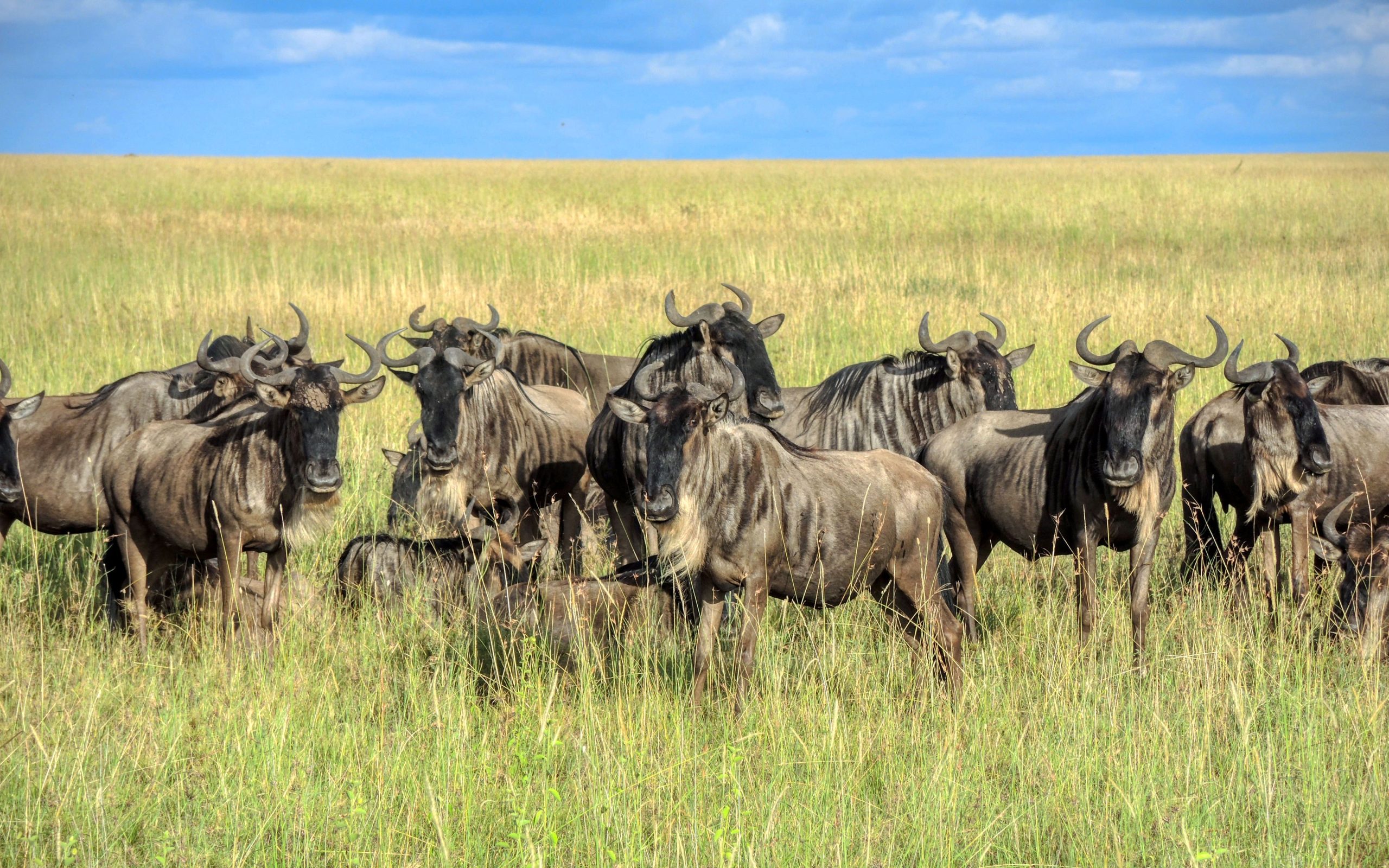
One of the greatest attractions of the Masai Mara is the Great Wildebeest Migration, when enormous herds of wildebeest and zebras move between Tanzania’s Serengeti ecosystem and Kenya’s Masai Mara.
The migration is famous for dramatic river crossings, predator encounters, and vast herds moving across the plains.
Travelers planning their safari around the migration should remember that wildlife movements are natural events and exact locations and dates can vary from year to year.
3. Exciting Game Drives
Game drives are the heart of a Masai Mara wilderness experience. Experienced safari guides help visitors locate wildlife while explaining animal behavior, ecology, conservation, and the surrounding environment.
Morning game drives are particularly rewarding because temperatures are cooler and many animals are active. Afternoon and evening drives provide another opportunity to explore the reserve and observe wildlife.
With Turkana Wildlife Safaris Uganda, travelers can enjoy guided safari experiences designed around their interests, schedule, and preferred level of comfort.
4. Maasai Cultural Experiences
A Masai Mara safari can also introduce travelers to the traditions and daily lives of Maasai communities living around the reserve.
A cultural visit may include learning about traditional homes, clothing, dances, livestock keeping, crafts, and community traditions. These experiences provide an opportunity to understand the connection between local communities and the surrounding wildlife ecosystem.
Responsible cultural tourism should prioritize respectful interaction and direct benefits to local communities.
5. Beautiful African Landscapes
The Masai Mara is not only about wildlife. Its scenery is an attraction in its own right.
Golden grasslands stretch toward distant hills, acacia trees dot the horizon, and seasonal rivers provide important water sources for wildlife. Sunrise and sunset can transform the landscape into spectacular photographic scenes.
For photographers, the combination of wildlife, dramatic skies, and open landscapes makes the Masai Mara an outstanding destination.
Best Time for a Masai Mara Wilderness Tour
The Masai Mara can be visited throughout the year, but different seasons offer different experiences.
July to October
This period is particularly popular because it coincides with the traditional migration season in the Masai Mara. Large concentrations of wildebeest and zebras may enter the reserve, attracting predators.
However, migration timing depends on rainfall and natural conditions, so sightings cannot be guaranteed on specific dates.
January to March
These months can offer excellent general wildlife viewing, with relatively favorable conditions in many parts of the ecosystem.
April to May
This is generally part of the wetter season. Some roads and areas can become more challenging, but the landscape can be lush and green, and visitor numbers may be lower.
November to December
Short rains can bring fresh vegetation and beautiful scenery. Wildlife viewing remains possible, and fewer tourists can create a quieter safari atmosphere.
What to Expect on a Masai Mara Wilderness Tour
A typical safari begins with an early morning departure or arrival at the Masai Mara region, followed by a game drive.
Depending on the itinerary, travelers may spend several days exploring different parts of the reserve and surrounding conservancies.
A typical day may include:
Early Morning: Wake up and enjoy breakfast before an early game drive.
Morning Game Drive: Search for predators, elephants, giraffes, zebras, and other wildlife.
Midday: Return to the lodge or camp for lunch and relaxation.
Afternoon: Enjoy another game drive or a cultural activity.
Evening: Return to your accommodation, enjoy dinner, and relax around the camp or lodge.
The exact schedule can be adjusted depending on the traveler’s interests, accommodation, weather, and park regulations.
Accommodation During a Masai Mara Safari
Accommodation options in the Masai Mara range from comfortable safari camps to luxury lodges and exclusive tented camps.
Travelers can choose accommodation according to their budget and preferred safari style.
Budget Safari Accommodation
Budget-friendly camps provide essential facilities while allowing travelers to spend more time exploring the wilderness.
Mid-Range Accommodation
Mid-range lodges and tented camps provide a balance between comfort, location, services, and price.
Luxury Safari Accommodation
Luxury camps and lodges offer spacious rooms or tents, excellent dining, personalized service, beautiful views, and an immersive wilderness atmosphere.
Turkana Wildlife Safaris Uganda can help travelers select accommodation that matches their safari expectations and budget.
Combining Kenya and Uganda Safaris
One of the advantages of traveling with an East African safari specialist is the opportunity to combine destinations.
A Masai Mara Wilderness Tour can be combined with a Uganda safari featuring destinations such as Bwindi Impenetrable National Park, Queen Elizabeth National Park, Kibale National Park, or Murchison Falls National Park.
A combined Kenya-Uganda itinerary can offer a diverse experience, from the open savannahs of the Masai Mara to Uganda’s forests, mountains, primates, and spectacular landscapes.
Turkana Wildlife Safaris Uganda can help design a customized itinerary based on the traveler’s available time and interests.
Photography on a Masai Mara Wilderness Tour
The Masai Mara is an exceptional destination for wildlife photography.
Travelers should consider bringing:
- A camera with extra batteries
- Telephoto and wide-angle lenses
- Extra memory cards
- Binoculars
- Lens cleaning equipment
- A beanbag or suitable camera support
- Protective equipment for dust and rain
Early morning and late afternoon light can create excellent photography conditions.
Wildlife should always be photographed responsibly. Visitors should maintain appropriate distances and follow the instructions of their safari guide and park authorities.
Responsible Tourism in the Masai Mara
A memorable safari should also contribute to conservation and local communities.
Responsible travelers can help by:
- Following park rules
- Avoiding littering
- Keeping a respectful distance from wildlife
- Avoiding feeding wild animals
- Supporting locally owned businesses where possible
- Respecting Maasai communities and cultural traditions
- Using reputable safari operators
- Supporting conservation initiatives
Responsible tourism helps protect the Masai Mara for future generations.
Why Travel with Turkana Wildlife Safaris Uganda?
Turkana Wildlife Safaris Uganda specializes in creating memorable East African safari experiences for travelers interested in wildlife, nature, culture, primates, and adventure.
When planning a Masai Mara Wilderness Tour, the company can assist with itinerary planning, transportation, accommodation, safari activities, and other travel arrangements.
Whether you are traveling as a couple, family, group of friends, solo traveler, photographer, or private safari client, a customized itinerary can make your experience more convenient and enjoyable.
The team can also help travelers combine their Kenya safari with Uganda adventures for a broader East African experience.
Suggested Masai Mara Wilderness Tour Itinerary
Day 1: Arrival in Nairobi
Arrive in Nairobi and transfer to your hotel. Depending on your arrival time, you can relax or explore some of the city’s attractions.
Day 2: Nairobi to Masai Mara
Depart Nairobi and travel toward the Masai Mara. Enjoy the changing scenery as you move from the city into the Kenyan countryside.
Arrive at your lodge or camp and, depending on your arrival time, enjoy an afternoon game drive.
Day 3: Full-Day Masai Mara Safari
Spend the day exploring the Masai Mara with morning and afternoon game drives.
Search for lions, elephants, leopards, cheetahs, giraffes, zebras, wildebeest, buffaloes, and other wildlife.
Day 4: Masai Mara Wilderness Experience
Enjoy another day in the wilderness. You may choose additional game drives, a cultural experience, or another activity depending on your interests.
Day 5: Masai Mara to Nairobi
Enjoy a final morning activity before departing for Nairobi.
Depending on your travel plans, you can continue with another destination or prepare for your international departure.
The itinerary can be shortened, extended, or customized according to your interests, budget, and travel dates.
Who Should Take a Masai Mara Wilderness Tour?
A Masai Mara safari is suitable for a wide range of travelers, including:
- First-time African safari travelers
- Couples
- Honeymooners
- Families
- Wildlife enthusiasts
- Birdwatchers
- Photographers
- Adventure travelers
- Luxury travelers
- Solo travelers
- Groups
The destination is particularly appealing to anyone who wants to experience Africa’s iconic savannah wildlife.
What to Pack for Your Safari
Pack light and practical clothing for your safari.
Recommended items include:
- Lightweight trousers and shirts
- Comfortable walking shoes
- Warm clothing for cool mornings
- Hat or cap
- Sunglasses
- Sunscreen
- Insect repellent
- Binoculars
- Camera and spare batteries
- Personal toiletries
- Reusable water bottle
- Small daypack
- Travel documents
Neutral-colored clothing is often practical for safari environments.
Frequently Asked Questions About Masai Mara Wilderness Tours
1. What is a Masai Mara Wilderness Tour?
A Masai Mara Wilderness Tour is a safari experience focused on exploring the Masai Mara ecosystem and observing wildlife in its natural environment through activities such as game drives and cultural experiences.
2. What animals can I see in the Masai Mara?
Visitors may see lions, leopards, cheetahs, elephants, buffaloes, giraffes, zebras, wildebeest, hippos, crocodiles, hyenas, antelopes, and many bird species.
3. When is the best time to visit the Masai Mara?
The Masai Mara can be visited year-round. July to October is particularly popular for travelers hoping to witness the wildebeest migration, although the exact timing varies according to natural conditions.
4. Can I see the Great Migration on every safari?
No. The migration is a natural event and its timing and location vary. Planning during the traditional migration season can improve the opportunity, but sightings cannot be guaranteed.
5. How many days do I need in the Masai Mara?
Three to four days can provide a rewarding experience, while longer stays allow travelers to explore more extensively and enjoy a slower-paced safari.
6. Can families go on a Masai Mara safari?
Yes. Families can enjoy Masai Mara safaris, although the itinerary and activities should be selected according to the ages and needs of children.
7. Is the Masai Mara suitable for photographers?
Absolutely. The reserve offers excellent opportunities for wildlife and landscape photography, particularly during early morning and late afternoon.
8. Can I combine Masai Mara with Uganda?
Yes. A Kenya-Uganda safari can combine the Masai Mara’s savannah wildlife with Uganda’s gorilla trekking, chimpanzee tracking, wildlife safaris, cultural experiences, and scenic destinations.
9. Can Turkana Wildlife Safaris Uganda organize a private safari?
Yes. A private itinerary can be designed around your preferred travel dates, accommodation level, activities, group size, and safari interests.
10. What should I bring on a Masai Mara safari?
Bring comfortable clothing, a hat, sunscreen, insect repellent, binoculars, a camera, extra batteries, comfortable shoes, personal medication, and important travel documents.
11. Is a Masai Mara safari safe?
Safaris are generally conducted under professional guidance, and travelers should follow their guide’s instructions and all park regulations. Wildlife is unpredictable, so maintaining a safe distance and following safari protocols is essential.
12. Why choose Turkana Wildlife Safaris Uganda?
Turkana Wildlife Safaris Uganda can help organize customized East African safari experiences, including Masai Mara tours and combined Kenya-Uganda itineraries, with attention to transportation, accommodation, wildlife experiences, and traveler preferences.
Conclusion
A Masai Mara Wilderness Tour is an opportunity to experience one of Africa’s most remarkable wildlife destinations. From the roar of lions across the savannah to huge herds of wildebeest, breathtaking landscapes, fascinating Maasai culture, and unforgettable sunsets, the Masai Mara offers an authentic African adventure.
Whether you are interested in the Great Migration, big cats, photography, family travel, luxury accommodation, or a broader East African adventure, the Masai Mara can be tailored to suit your travel goals.
With Turkana Wildlife Safaris Uganda, travelers can plan a personalized Masai Mara experience and, where desired, combine it with the incredible landscapes and wildlife of Uganda.
Your African adventure can begin with the Masai Mara and continue far beyond it.