
Masai Tribe Tourism
Masai Tribe Tourism
Exploring Masai Tribe Tourism: A Cultural Journey into East Africa’s Living Heritage
Introduction
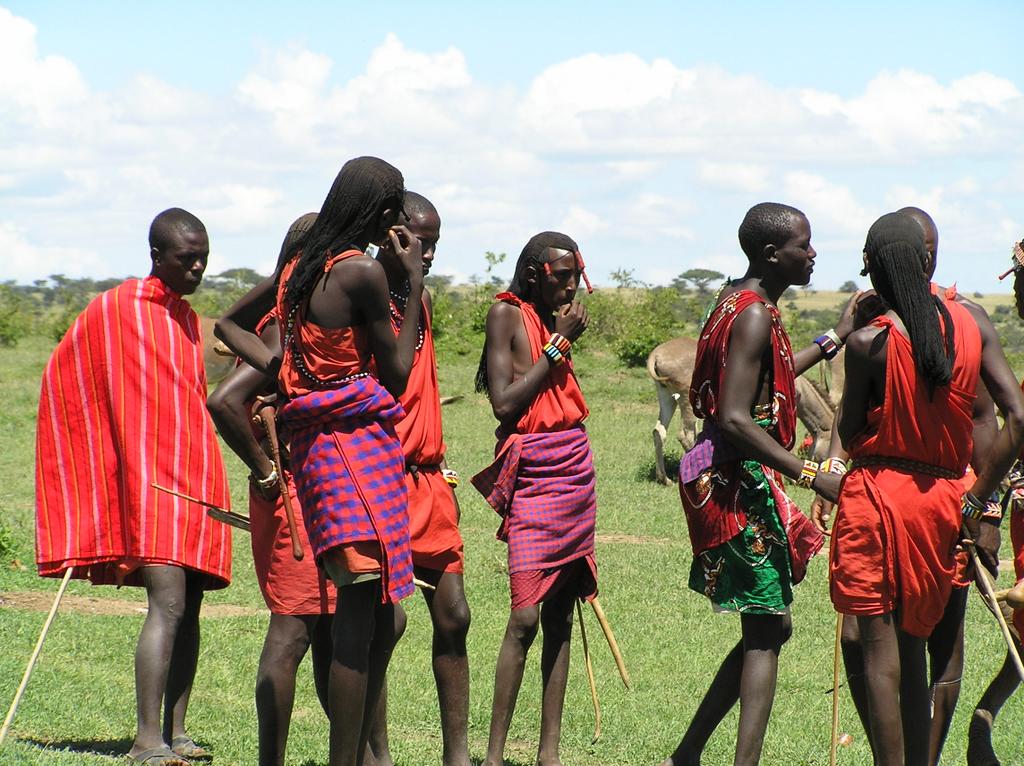
In the heart of East Africa, where the golden savannah stretches endlessly and wildlife roams freely, lies one of the most iconic and resilient communities on the continent — the Masai tribe. Known for their vibrant red shukas, intricate beadwork, and proud warrior traditions, the Masai people have become a symbol of African heritage. Over the past few decades, Masai tribe tourism has emerged as a compelling way for travelers to experience authentic culture, while also supporting sustainable development and cultural preservation.
This article delves into the intricate world of Masai tourism — its origins, benefits, challenges, and the immersive experiences it offers. Whether you’re a cultural enthusiast, an eco-traveler, or simply curious about indigenous communities, this comprehensive guide will take you on a journey through the heart of Masailand.
The Origins of Masai Tribe Tourism
A Historical Perspective
The Masai, semi-nomadic pastoralists, inhabit southern Kenya and northern Tanzania. Historically, they were known for their resistance to colonization and their deep-rooted traditions. As tourism in East Africa began to flourish in the mid-20th century — particularly due to safaris and wildlife expeditions — travelers became increasingly fascinated by the Masai’s unique way of life.
By the 1980s, cultural tourism began to take shape, with Masai villages opening their doors to visitors. These early interactions laid the foundation for what is now a thriving sector of community-based tourism.
The Role of Ecotourism
The rise of ecotourism and responsible travel in the 1990s further propelled interest in indigenous cultures. Organizations and tour operators began collaborating with Masai communities to create experiences that were not only educational but also economically beneficial to the locals.
What to Expect from a Masai Cultural Experience
Immersive Village Visits
One of the most popular aspects of Masai tourism is the village visit. These are often organized as part of a larger safari itinerary and include:
- A traditional welcome dance by Masai warriors and women
- A guided tour of the enkang (Masai homestead)
- Demonstrations of traditional crafts like beadwork and fire-making
- Storytelling sessions about Masai customs, beliefs, and history
These visits offer a rare glimpse into a lifestyle that has remained largely unchanged for centuries.
Cultural Workshops and Activities
Some tours offer hands-on workshops where visitors can:
- Learn how to make traditional Masai jewelry
- Participate in herding cattle alongside Masai herders
- Discover the medicinal uses of local plants
- Take part in Maasai jumping dances (Adumu)
These experiences are designed to foster mutual understanding and respect between cultures.
Wildlife and Nature Safaris with Masai Guides
Many Masai are trained as wildlife guides and trackers. Their intimate knowledge of the land and its creatures makes for an unforgettable safari experience. Unlike conventional tours, Masai-led safaris often include:
- Walking safaris through the bush
- Traditional tracking techniques
- Insights into the symbiotic relationship between the Masai and nature
Benefits of Masai Tribe Tourism
Economic Empowerment
Tourism provides a vital source of income for Masai communities. Revenue from tours, handicrafts, and homestays helps fund:
- Education for children
- Healthcare services
- Infrastructure improvements
- Women’s empowerment initiatives
Cultural Preservation
By showcasing their traditions to the world, the Masai are encouraged to preserve their language, rituals, and crafts. Tourism acts as a catalyst for cultural pride and intergenerational knowledge transfer.
Environmental Conservation
Many Masai communities are involved in conservation projects that protect wildlife and habitats. Tourism revenue often supports these efforts, ensuring that both culture and nature are preserved for future generations.
Challenges and Ethical Considerations
Cultural Exploitation
Not all tourism is created equal. Some experiences may be staged or commercialized, leading to a loss of authenticity. It’s crucial to choose ethical tour operators who work directly with Masai communities and respect their autonomy.
Invasion of Privacy
While the Masai are welcoming, constant exposure to tourists can be intrusive. Responsible tourism should always prioritize consent, respect, and cultural sensitivity.
Unequal Distribution of Profits
In some cases, the financial benefits of tourism do not reach the community members. Transparent partnerships and community-owned tourism enterprises are essential to ensure fair distribution.
How to Choose a Responsible Masai Tourism Experience
When planning your visit, consider the following:
- Does the tour operator collaborate directly with Masai communities?
- Are the experiences led by Masai guides?
- Is there transparency about where your money goes?
- Are the activities respectful and non-exploitative?
Look for certifications from organizations like:
Top Destinations for Masai Cultural Tourism
Kenya
- Masai Mara National Reserve: Renowned for the Great Migration and Masai-led safaris.
- Loita Hills: A less touristy area offering authentic village stays and forest treks.
- Amboseli National Park: Famous for its elephant herds and views of Mount Kilimanjaro.
Tanzania
- Ngorongoro Conservation Area: Home to both wildlife and Masai settlements.
- Lake Natron: A sacred site for the Masai, known for its flamingos and volcanic landscapes.
- Longido and Monduli: Offer immersive cultural tours and traditional ceremonies.
The Role of Women in Masai Tourism
Traditionally, Masai society is patriarchal, but tourism has opened new doors for women. Today, many women are:
- Leading beadwork cooperatives
- Running homestay programs
- Working as cultural educators
- Participating in community tourism boards
These roles not only provide income but also elevate the status of women within the community.
The Future of Masai Tribe Tourism
As global interest in sustainable travel grows, Masai tourism is poised to expand. However, its success hinges on:
- Continued community involvement
- Protection of cultural integrity
- Sustainable environmental practices
Innovations such as virtual reality tours, eco-lodges, and digital storytelling are also emerging, offering new ways to engage with Masai culture.
Frequently Asked Questions (FAQ)
1. Is it ethical to visit Masai villages?
Yes, if done responsibly. Choose tours that are community-led, respect local customs, and contribute directly to the Masai people. Ethical tourism fosters cultural exchange and economic empowerment.
2. What should I wear when visiting a Masai village?
Dress modestly and respectfully. Avoid revealing clothing. It’s also a good idea to wear comfortable shoes, as some tours involve walking.
3. Can I take photos during my visit?
Always ask for permission before taking photos. Some Masai may be uncomfortable with photography, especially during sacred rituals or private moments.
4. How can I support the Masai beyond tourism?
- Purchase authentic crafts directly from artisans
- Donate to education or healthcare initiatives
- Advocate for indigenous rights and cultural preservation
5. Are Masai safaris different from regular safaris?
Yes. Masai-led safaris emphasize cultural context, traditional knowledge, and sustainable practices, offering a deeper and more meaningful wildlife experience.
Final Thoughts
Masai tribe tourism is more than just a cultural excursion — it’s a bridge between worlds. It offers travelers a chance to step into a living tradition, to learn from a people whose wisdom is rooted in harmony with nature, and to contribute to a more equitable and sustainable future.
By choosing responsible tourism, you not only enrich your own journey but also empower the Masai to preserve their heritage on their own terms.