
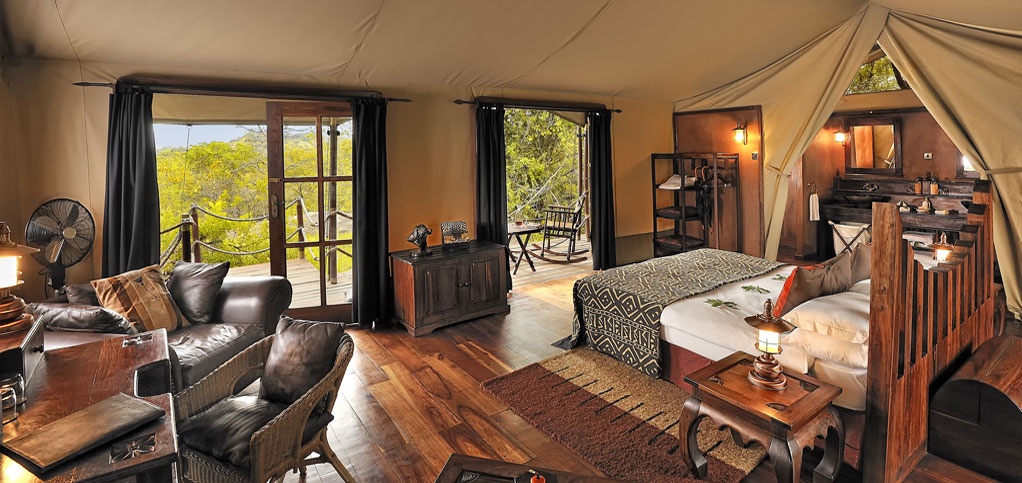
Migration Lodges
A Comprehensive Guide to Sustainable Travel Accommodations
Introduction
Migration lodges are becoming increasingly popular as more travelers seek sustainable and eco-friendly accommodations. These lodges, often located in remote and pristine environments, offer a unique opportunity to experience nature while minimizing the environmental impact. In this article, we will explore the concept of migration lodges, their benefits, and how they contribute to sustainable tourism. We’ll also provide tips on how to choose the best migration lodge for your next adventure.
What Are Migration Lodges?
Migration lodges are specialized accommodations designed to cater to travelers who are following migratory routes, whether for wildlife observation or cultural experiences. These lodges are typically located in areas where animal migrations occur, such as the Serengeti in Tanzania or the Masai Mara in Kenya. They offer a front-row seat to one of nature’s most awe-inspiring phenomena while promoting responsible tourism practices.
Key Features of Migration Lodges
- Eco-Friendly Design: Migration lodges are often built using sustainable materials and are designed to have minimal impact on the environment. Many lodges use solar power, rainwater harvesting, and waste recycling systems.
- Proximity to Wildlife: These lodges are strategically located near migration routes, allowing guests to witness wildlife in their natural habitat without disturbing the animals.
- Cultural Integration: Many migration lodges work closely with local communities, offering guests the opportunity to learn about indigenous cultures and traditions.
- Conservation Efforts: A portion of the profits from migration lodges often goes toward wildlife conservation and habitat preservation.
The Importance of Sustainable Tourism
Sustainable tourism is a growing trend in the travel industry, and migration lodges play a crucial role in promoting this movement. By choosing eco-friendly accommodations, travelers can reduce their carbon footprint and contribute to the preservation of natural habitats.
Benefits of Sustainable Tourism
- Environmental Conservation: Sustainable tourism helps protect ecosystems and wildlife by minimizing the environmental impact of travel.
- Economic Support for Local Communities: Many migration lodges employ local staff and source materials from nearby communities, providing economic benefits to the region.
- Cultural Preservation: By supporting migration lodges that work with indigenous communities, travelers can help preserve local traditions and customs.
- Reduced Carbon Footprint: Eco-friendly lodges often use renewable energy sources and implement energy-saving practices, reducing the overall carbon footprint of your stay.
How to Choose the Best Migration Lodge
When selecting a migration lodge, there are several factors to consider to ensure that your stay is both enjoyable and sustainable.
Location
The location of the lodge is one of the most important factors to consider. Look for lodges that are situated near migration routes or in areas known for their biodiversity. This will give you the best chance of witnessing wildlife in its natural habitat.
Sustainability Practices
Not all lodges are created equal when it comes to sustainability. Look for lodges that have been certified by reputable organizations such as the Global Sustainable Tourism Council (GSTC) or Rainforest Alliance. These certifications ensure that the lodge meets high standards for environmental and social responsibility.
Community Involvement
A good migration lodge will work closely with local communities, providing employment opportunities and supporting local businesses. This not only benefits the local economy but also enriches your travel experience by offering authentic cultural interactions.
Amenities and Comfort
While sustainability is important, you don’t have to sacrifice comfort. Many migration lodges offer luxurious accommodations with modern amenities such as hot showers, gourmet meals, and comfortable bedding. Be sure to check what amenities are available before booking your stay.
Top Migration Lodges Around the World
Here are some of the best migration lodges that offer both luxury and sustainability:
1. Singita Mara River Tented Camp (Tanzania)
Located in the Serengeti, this eco-friendly lodge offers a front-row seat to the Great Migration. The camp is entirely solar-powered and employs sustainable practices such as water conservation and waste management.
2. Governors’ Camp (Kenya)
Situated in the heart of the Masai Mara, Governors’ Camp offers a luxurious yet eco-friendly experience. The camp is committed to wildlife conservation and works closely with local Maasai communities.
3. Sanctuary Olonana (Kenya)
This award-winning lodge is located on the banks of the Mara River and offers stunning views of the Great Migration. Sanctuary Olonana is known for its sustainable practices, including solar power and a tree-planting initiative.
4. Chobe Game Lodge (Botswana)
Chobe Game Lodge is the only permanent lodge within Botswana’s Chobe National Park. It is fully eco-certified and uses electric safari vehicles and boats to reduce its carbon footprint.
5. &Beyond Kichwa Tembo Tented Camp (Kenya)
This luxurious tented camp offers stunning views of the Masai Mara and is committed to sustainability. The camp uses solar power, recycles waste, and supports local conservation efforts.
The Role of Migration Lodges in Wildlife Conservation
They play a vital role in wildlife conservation by providing funding and support for various conservation initiatives. Many lodges work in partnership with local and international organizations to protect endangered species and their habitats.
Conservation Initiatives Supported by Migration Lodges
- Anti-Poaching Efforts: Many lodges contribute to anti-poaching initiatives by funding ranger patrols and providing equipment for wildlife protection.
- Habitat Restoration: Some lodges participate in habitat restoration projects, such as reforestation or wetland rehabilitation, to support biodiversity.
- Wildlife Research: Migration lodges often collaborate with researchers to study animal behavior, migration patterns, and the impact of climate change on wildlife.
- Community Education: By educating local communities about the importance of conservation, migration lodges help foster a culture of environmental stewardship.
The Future of Migration Lodges
As the demand for sustainable travel continues to grow, migration lodges are likely to play an even more significant role in the tourism industry. Advances in technology, such as solar-powered lodges and electric safari vehicles, will further reduce the environmental impact of these accommodations. Additionally, increased collaboration between lodges, conservation organizations, and local communities will help ensure the long-term sustainability of these ecosystems.
Trends Shaping the Future of Migration Lodges
- Eco-Friendly Innovations: Expect to see more lodges adopting cutting-edge technologies such as solar panels, water recycling systems, and electric vehicles.
- Increased Focus on Conservation: As awareness of environmental issues grows, more lodges will prioritize conservation efforts and work closely with wildlife organizations.
- Cultural Immersion: Travelers are increasingly seeking authentic cultural experiences, and migration lodges will continue to offer opportunities for guests to engage with local communities.
- Personalized Experiences: With the rise of luxury eco-tourism, lodges will offer more personalized experiences, such as private safaris, guided nature walks, and bespoke cultural tours.
FAQ
1. What is a migration lodge?
It is an eco-friendly accommodation located near wildlife migration routes. These lodges offer travelers the opportunity to witness animal migrations while promoting sustainable tourism practices.
2. How do migration lodges contribute to conservation?
It contribute to conservation by funding anti-poaching efforts, supporting habitat restoration projects, and collaborating with researchers to study wildlife. Many lodges also work to educate local communities about the importance of conservation.
3. Are migration lodges eco-friendly?
Yes, most lodges are designed with sustainability in mind. They often use renewable energy sources, such as solar power, and implement water conservation and waste management practices.
4. How can I choose a sustainable migration lodge?
Look for certifications from reputable organizations like the Global Sustainable Tourism Council (GSTC). You should also consider the lodge’s location, sustainability practices, and involvement with local communities.
5. What are the benefits of staying in a migration lodge?
It allows you to experience wildlife in its natural habitat while minimizing your environmental impact. These lodges also provide economic support to local communities and contribute to wildlife conservation efforts.
Conclusion
Migration lodges offer a unique and sustainable way to experience some of the world’s most incredible wildlife migrations. By choosing eco-friendly accommodations, travelers can reduce their environmental impact while supporting conservation efforts and local communities. Whether you’re planning a trip to witness the Great Migration in Africa or exploring other migratory routes around the world, staying in a migration lodge is a responsible and rewarding choice for any eco-conscious traveler. conservation efforts and local communities. Whether you’re planning a trip to witness the Great Migration in Africa or exploring other migratory routes around the world, staying in a migration lodge is a responsible and rewarding choice for any eco-conscious traveler.