
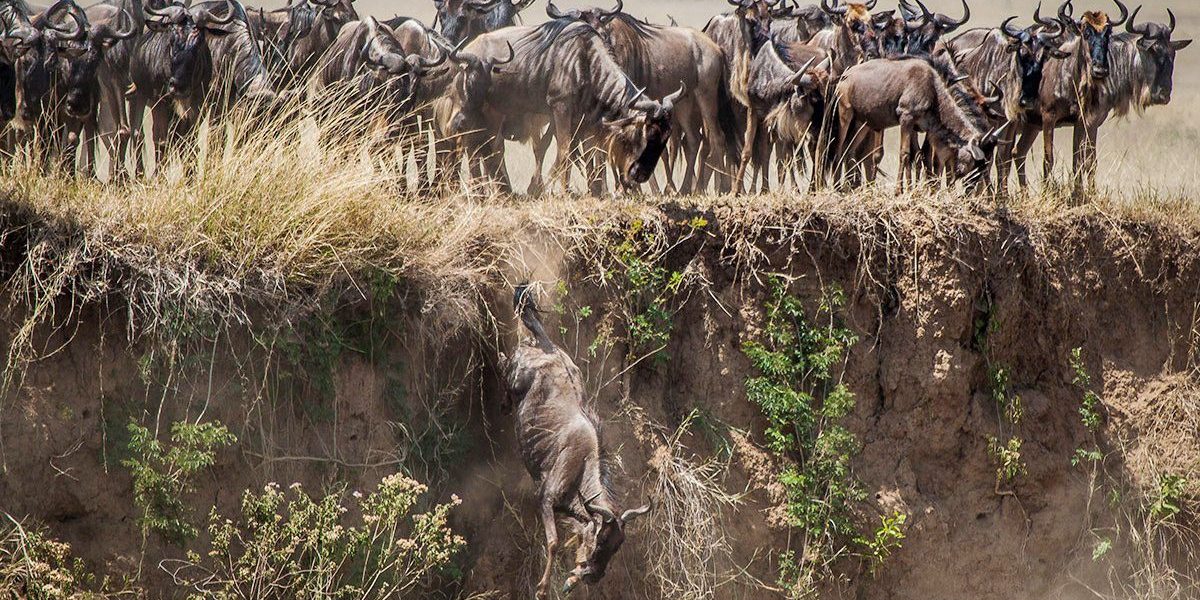
Migration River Crossing
Migration River Crossing
Migration River Crossing: A Comprehensive Guide to Nature’s Greatest Journeys
Migration is one of nature’s most awe-inspiring phenomena, where animals traverse vast distances to find food, breed, or escape harsh climates. Among the most dramatic and perilous moments in these migrations is the river crossing. Whether it’s wildebeest crossing the Mara River in Africa or salmon battling upstream, river crossings are fraught with danger and spectacle. In this article, we will explore the intricacies of migration river crossings, the species involved, and the environmental factors that make these crossings both necessary and treacherous.
Understanding Migration River Crossings
Migration is a survival strategy used by many species to ensure access to food, suitable breeding grounds, and favorable climates. However, rivers often stand as formidable barriers in these journeys. River crossings are a crucial part of migration for many species, but they also present significant risks, from predators to strong currents.
The Importance of Migration
Migration is essential for the survival of many species. It allows animals to:
- Access seasonal food sources: Many animals migrate to areas where food is abundant during certain times of the year.
- Find suitable breeding grounds: Some species, such as salmon, migrate to specific rivers to spawn.
- Escape harsh climates: Animals like birds and mammals migrate to avoid extreme weather conditions, such as cold winters or dry seasons.
River Crossings: A Critical Juncture
For many migratory species, rivers are unavoidable obstacles. Crossing them is often the most dangerous part of their journey. The challenges posed by river crossings include:
- Strong currents: Rivers can be treacherous, with fast-moving water that can sweep animals away.
- Predators: Many predators, such as crocodiles and bears, wait at river crossings to take advantage of the vulnerable animals.
- Fatigue: After traveling long distances, animals may be exhausted, making the river crossing even more perilous.
Iconic Migration River Crossings
Several species are known for their dramatic river crossings during migration. These crossings are not only vital for the survival of the species but also provide some of the most spectacular wildlife spectacles on Earth.
The Great Wildebeest Migration
Perhaps the most famous migration river crossing is the Great Wildebeest Migration in Africa. Every year, over 1.5 million wildebeest, along with hundreds of thousands of zebras and gazelles, migrate across the Serengeti in Tanzania to the Maasai Mara in Kenya. One of the most dangerous parts of this journey is the crossing of the Mara River.
- The Mara River Crossing: The Mara River is home to some of the largest crocodiles in Africa, which lie in wait for the migrating animals. The wildebeest must navigate strong currents and avoid predators as they attempt to cross the river.
- Survival of the fittest: Many wildebeest do not survive the crossing. Some are swept away by the current, while others fall prey to crocodiles. However, the migration is essential for the survival of the species, as it allows them to access fresh grazing lands.
Salmon Migration
Another iconic river crossing is the migration of salmon. These fish are born in freshwater rivers but spend most of their lives in the ocean. When it’s time to spawn, they return to the rivers where they were born, swimming upstream against strong currents.
- Upstream battle: Salmon face numerous challenges during their migration, including waterfalls, rapids, and predators such as bears and eagles.
- Spawning grounds: The ultimate goal of the salmon migration is to reach the spawning grounds, where they will lay their eggs before dying. This migration is crucial for the survival of the species, as it ensures the next generation of salmon.
Caribou Migration
In the Arctic, caribou undertake one of the longest migrations of any land animal, traveling up to 3,000 miles each year. As part of their journey, they must cross numerous rivers, including the Porcupine River in Alaska.
- Porcupine River Crossing: The Porcupine River is a major obstacle for migrating caribou. The river is wide and fast-moving, and the caribou must swim across it to reach their calving grounds.
- Predators and exhaustion: Like the wildebeest, caribou are vulnerable to predators during river crossings. Wolves and bears often wait near the riverbanks to prey on the exhausted animals.
The Role of Predators in River Crossings
Predators play a significant role in migration river crossings. For many predators, the river crossing is a time of abundance, as the migrating animals are often tired and vulnerable.
Crocodiles
Crocodiles are perhaps the most notorious predators at river crossings. In Africa, the Nile crocodile is a formidable predator, capable of taking down large animals such as wildebeest and zebras. These crocodiles lie in wait at river crossings, using their powerful jaws to grab animals as they swim across.
- Ambush tactics: Crocodiles are ambush predators, meaning they rely on stealth and surprise to catch their prey. During migration river crossings, they position themselves in the water, waiting for the right moment to strike.
- Feeding frenzy: When the migrating animals begin to cross the river, the crocodiles often enter a feeding frenzy, attacking multiple animals in quick succession.
Bears
In North America, bears are the primary predators during salmon migrations. Brown bears and grizzly bears are often seen standing in rivers, catching salmon as they leap upstream.
- Fishing technique: Bears use their powerful paws to catch salmon as they swim or jump out of the water. This time of year is critical for bears, as the salmon provide a rich source of fat that helps them prepare for hibernation.
- Timing the migration: Bears time their activities to coincide with the peak of the salmon migration, ensuring they have access to the maximum number of fish.
Environmental Factors Affecting River Crossings
Several environmental factors can influence the success of migration river crossings. These factors can vary from year to year, making the crossing more or less dangerous depending on the conditions.
Water Levels
The water level of a river can have a significant impact on the difficulty of a crossing. During the rainy season, rivers may swell, making the current stronger and the crossing more dangerous. Conversely, during the dry season, rivers may shrink, making the crossing easier but concentrating animals in a smaller area, which can attract more predators.
Climate Change
Climate change is having a profound effect on migration patterns and river crossings. As temperatures rise and weather patterns become more unpredictable, many species are being forced to alter their migration routes. This can lead to:
- Changes in river flow: Warmer temperatures can cause glaciers to melt, increasing the flow of rivers and making crossings more dangerous.
- Altered migration timing: Some species are migrating earlier or later than usual, which can affect the availability of food and the presence of predators at river crossings.
Human Impact activities, such as dam construction and pollution, can also affect migration river crossings. Dams can block the migration routes of fish, while pollution can degrade the quality of the water, making it harder for animals to survive the crossing.
Conservation Efforts
Given the importance of migration river crossings for the survival of many species, conservation efforts are crucial. Several organizations are working to protect migratory routes and ensure that animals can continue to make these journeys.
Protected Areas
One of the most effective ways to protect migratory species is to establish protected areas along their migration routes. In Africa, for example, the Serengeti and Maasai Mara are protected areas that help ensure the survival of the wildebeest migration.
Fish Ladders
For fish species like salmon, fish ladders are an important conservation tool. These structures are built around dams and other obstacles, allowing fish to bypass the barrier and continue their migration upstream.
Anti-Poaching Efforts
Poaching is a significant threat to many migratory species, particularly in Africa. Anti-poaching efforts, including increased patrols and stricter penalties, are helping to protect species like wildebeest and elephants during their migrations.
FAQ: Migration River Crossings
1. Why do animals risk crossing rivers during migration?
Animals cross rivers during migration because it is often the only way to reach essential resources, such as food and breeding grounds. While the crossing is dangerous, the benefits of migration outweigh the risks.
2. What are the main dangers animals face during river crossings?
The main dangers include strong currents, predators (such as crocodiles and bears), and exhaustion. Animals are often vulnerable during river crossings, making them easy targets for predators.
3. How do predators take advantage of migration river crossings?
Predators like crocodiles and bears position themselves at river crossings to catch migrating animals. The animals are often tired and less able to defend themselves, making them easy prey.
4. How is climate change affecting migration river crossings?
Climate change is altering migration patterns and river flows, making crossings more dangerous for some species. Changes in temperature and weather patterns can also affect the timing of migrations, which can disrupt the availability of food and the presence of predators.
5. What conservation efforts are in place to protect migratory species?
Conservation efforts include the creation of protected areas, the construction of fish ladders, and anti-poaching initiatives. These efforts help ensure that migratory species can continue to make their journeys and survive the challenges of river crossings.
Conclusion
Migration river crossings are some of the most dramatic and dangerous moments in the natural world. Whether it’s wildebeest crossing the Mara River or salmon battling upstream, these crossings are essential for the survival of many species. However, they are also fraught with danger, from predators to environmental challenges. By understanding the importance of these crossings and supporting conservation efforts, we can help ensure that these incredible migrations continue for generations to come.