
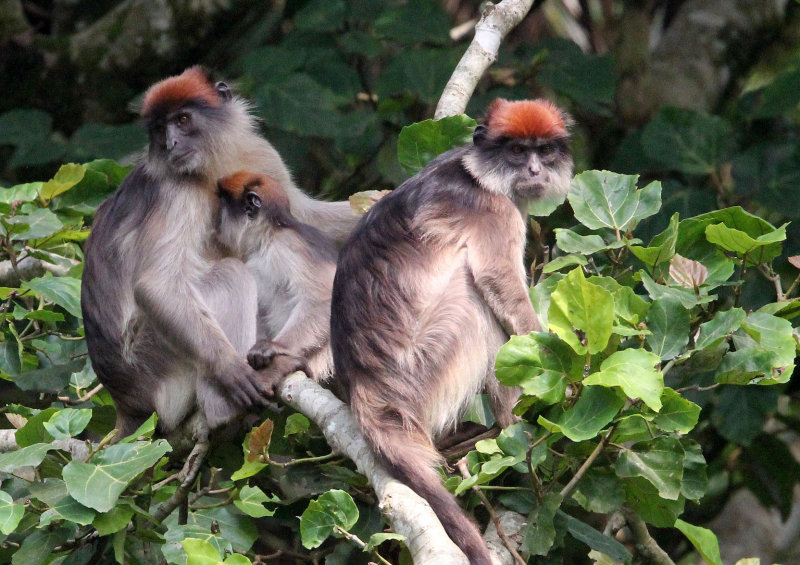
Monkeys in Kalinzu Forest
Monkeys in Kalinzu Forest
Discovering the Monkeys of Kalinzu Forest: A Primate Paradise in Uganda
Introduction
Nestled within the verdant landscapes of southwestern Uganda, the Kalinzu Forest Reserve is a hidden gem for wildlife enthusiasts, particularly those fascinated by primates. This lush tropical forest, located near the Queen Elizabeth National Park, is home to an impressive variety of monkey species, making it one of the most rewarding destinations for primate tracking in East Africa.
In this comprehensive guide, we will delve into the captivating world of monkeys in Kalinzu Forest, exploring their behaviors, habitats, and the unique experiences that await travelers. Whether you’re a seasoned primatologist or a curious adventurer.
Where is Kalinzu Forest Located?
Kalinzu Central Forest Reserve is situated in the Bushenyi District of Uganda, bordering the renowned Queen Elizabeth National Park. It spans over 147 square kilometers and is managed by the National Forestry Authority (NFA). The forest lies at an altitude of approximately 1,400 meters above sea level, offering a cool, misty climate ideal for diverse flora and fauna.
Its proximity to other major attractions, such as the Kyambura Gorge, makes it a perfect addition to any Ugandan safari itinerary.
The Primate Species of Kalinzu Forest
Kalinzu Forest is home to six species of primates, with the most notable being the chimpanzees. However, the forest also boasts a vibrant population of monkeys, each contributing to the forest’s rich biodiversity.
1. L’Hoest’s Monkey
Also known as the mountain monkey, L’Hoest’s monkey is easily identified by its dark fur and striking white beard. These monkeys are typically shy and prefer dense undergrowth, making them a thrilling sight for patient observers.
2. Black-and-White Colobus Monkey
These elegant monkeys are known for their long, flowing white tails and contrasting black bodies. They are often seen leaping from tree to tree in large groups, their movements graceful and acrobatic.
3. Blue Monkey
Despite their name, blue monkeys have a greyish-blue hue and are known for their expressive faces. They are social animals, often seen grooming each other and interacting in playful groups.
4. Red-Tailed Monkey
With a distinctive red tail and cheek pouches for storing food, the red-tailed monkey is a favorite among wildlife photographers. They are agile and curious, often approaching human visitors with cautious interest.
5. Olive Baboon
Larger and more terrestrial than other monkeys in the forest, olive baboons are highly adaptable and intelligent. They live in large troops and exhibit complex social behaviors, making them fascinating to observe.
Chimpanzee Tracking in Kalinzu Forest
While this article focuses on monkeys, it’s impossible to ignore the allure of chimpanzee tracking in Kalinzu. The forest is home to over 300 chimpanzees, with a habituated group of about 50 individuals available for tracking. This experience is a highlight for many visitors and can be combined with monkey watching for a full primate immersion.
Learn more about chimpanzee tracking in Kalinzu Forest.
Best Time to Visit Kalinzu Forest
The best time to visit Kalinzu Forest is during the dry seasons, from December to February and June to August. During these months, the forest trails are more accessible, and wildlife sightings are more frequent.
However, the forest remains lush and vibrant year-round, offering unique experiences in every season. The rainy months bring out a different side of the forest, with blooming flora and active primates.
What to Expect During a Monkey Tracking Tour
Guided Nature Walks
All primate tracking activities in Kalinzu are conducted with the help of experienced guides. These walks typically last 3–4 hours and cover various trails throughout the forest. Guides provide insights into the ecology of the forest and help spot elusive monkey species.
Photography Opportunities
Kalinzu Forest offers excellent opportunities for wildlife photography. The dense canopy, filtered sunlight, and active primate life create a dynamic setting for capturing unforgettable moments.
Bird Watching
In addition to monkeys, Kalinzu is a haven for bird watchers, with over 370 bird species recorded. This includes the Great Blue Turaco, African Broadbill, and Black-and-White Cuckoo.
Explore more about bird watching in Uganda.
Conservation Efforts in Kalinzu Forest
Kalinzu Forest is part of Uganda’s broader conservation strategy, aimed at preserving biodiversity and promoting sustainable tourism. The forest is managed by the NFA, which works in collaboration with local communities and international organizations to ensure the protection of its wildlife.
Eco-tourism initiatives, such as guided monkey tracking and educational programs, help generate income for conservation while raising awareness about the importance of protecting primate habitats.
How to Get to Kalinzu Forest
Kalinzu Forest is accessible by road from Kampala, Uganda’s capital, with a journey time of approximately 6–7 hours. The most common route passes through Mbarara and Bushenyi before reaching the forest reserve.
Alternatively, visitors can fly into the nearby Kasese Airstrip and drive to Kalinzu, which takes about 2 hours.
Accommodation Near Kalinzu Forest
There are several accommodation options near Kalinzu Forest, ranging from budget lodges to luxury safari camps. Popular choices include:
These lodges offer easy access to both Kalinzu Forest and Queen Elizabeth National Park, allowing for a diverse safari experience.
Why Kalinzu Forest is a Must-Visit for Monkey Lovers
Kalinzu Forest offers an unparalleled opportunity to observe a wide range of monkey species in their natural habitat. Its accessibility, rich biodiversity, and well-maintained trails make it a top destination for eco-tourists and wildlife photographers alike.
Whether you’re marveling at the acrobatics of colobus monkeys or listening to the calls of L’Hoest’s monkeys echoing through the trees, Kalinzu provides a deeply immersive and educational experience.
Travel Tips for Visiting Kalinzu Forest
- Wear sturdy hiking boots and long-sleeved clothing to protect against insects and thorny vegetation.
- Bring binoculars and a good camera for spotting and photographing monkeys.
- Carry water and snacks, as tracking can be physically demanding.
- Always follow the guide’s instructions to ensure your safety and minimize disturbance to wildlife.
Frequently Asked Questions (FAQ)
1. What types of monkeys can I see in Kalinzu Forest?
You can see several monkey species including L’Hoest’s monkey, black-and-white colobus, blue monkey, red-tailed monkey, and olive baboon. Each species offers unique behaviors and habitats, making every visit different.
2. Is it safe to visit Kalinzu Forest?
Yes, Kalinzu Forest is safe for tourists. All tracking activities are guided by trained professionals, and the area is well-monitored by the National Forestry Authority.
3. How do I book a monkey tracking tour in Kalinzu?
You can book a tour through reputable operators like Turkana Wildlife Safaris, who offer customized itineraries that include monkey tracking, chimpanzee trekking, and more.
4. Can I combine a visit to Kalinzu with other attractions?
Absolutely. Kalinzu is located near Queen Elizabeth National Park, Kyambura Gorge, and Lake Edward, making it easy to combine multiple wildlife experiences.
5. What should I pack for a trip to Kalinzu Forest?
- Lightweight, breathable clothing
- Waterproof jacket (especially during rainy season)
- Insect repellent
- Sunscreen and hat
- Binoculars and camera
Final Thoughts
Kalinzu Forest is a sanctuary of biodiversity, offering an intimate glimpse into the lives of Uganda’s most captivating primates. From the elusive L’Hoest’s monkey to the charismatic red-tailed monkey, the forest is alive with movement, sound, and color.
For travelers seeking an authentic and enriching wildlife experience, Kalinzu Forest stands out as a top destination. With expert guides, diverse monkey species, and the support of sustainable tourism, your visit not only promises unforgettable memories but also contributes to the conservation of this ecological treasure.
Plan your adventure today with Turkana Wildlife Safaris and explore the wild heart of Uganda.