
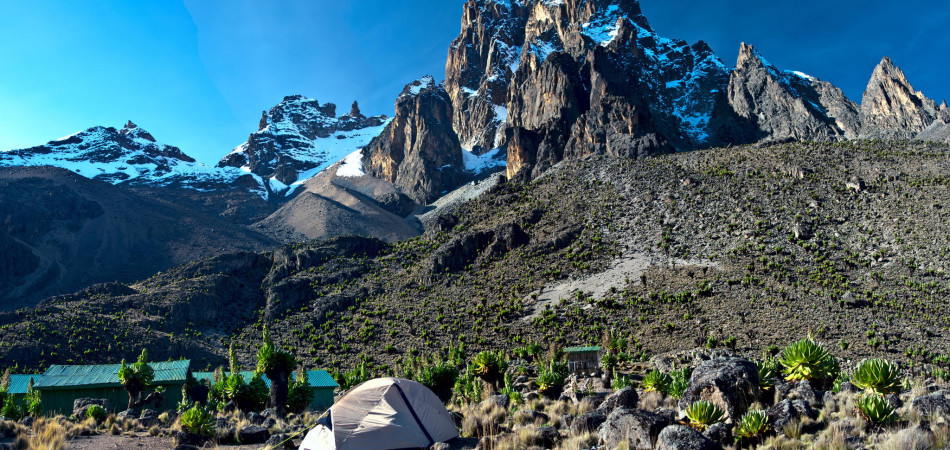
Mount Kenya Climbing
Mount Kenya Climbing
Conquering the Peaks: The Ultimate Guide to Mount Kenya Climbing
Mount Kenya, Africa’s second-highest peak after Kilimanjaro, offers an exhilarating climbing experience that blends adventure, breathtaking scenery, and rich biodiversity. Rising to 5,199 meters (17,057 feet), this ancient extinct volcano is a UNESCO World Heritage Site and a revered symbol of Kenya’s natural heritage. Whether you’re a seasoned mountaineer or an enthusiastic trekker, climbing Mount Kenya is a life-changing experience that challenges your limits while rewarding you with stunning alpine landscapes.
In this comprehensive guide, we’ll explore everything you need to know about climbing Mount Kenya—from routes and preparation to wildlife, weather, and cultural significance. We’ll also highlight how Turkana Wildlife Safaris can help you plan the perfect expedition.
Why Climb Mount Kenya?
Mount Kenya offers a unique climbing experience that distinguishes it from other African peaks. Unlike the often-crowded Kilimanjaro, Mount Kenya is less commercialized, offering a more intimate and serene adventure. Its three main peaks—Batian, Nelion, and Lenana—provide options for both technical climbers and trekkers.
Key Highlights:
- Diverse Ecosystems: From bamboo forests to alpine meadows and glaciers.
- Rich Wildlife: Spot elephants, leopards, and rare bird species.
- Less Crowded Trails: Enjoy solitude and unspoiled nature.
- Technical Challenge: Ideal for climbers seeking a more demanding ascent.
For a personalized climbing experience, consider booking with Turkana Wildlife Safaris, a trusted local operator with expert guides.
Best Time to Climb
Mount Kenya can be climbed year-round, but certain months offer better conditions:
Optimal Climbing Seasons:
- January to March: Clear skies, warm days, and minimal rainfall.
- July to October: Dry season with excellent visibility and trail conditions.
Avoid the rainy seasons (April-May and November), as trails can become slippery and dangerous.
Main Routes to the Summit
Mount Kenya has several routes, each offering unique landscapes and challenges. The three most popular are:
1. Sirimon Route
- Starting Point: Nanyuki
- Duration: 4–5 days
- Highlights: Gradual ascent, scenic valleys, and high-altitude flora.
2. Naro Moru Route
- Starting Point: Naro Moru town
- Duration: 3–4 days
- Highlights: Fastest route to Point Lenana, but steeper and more crowded.
3. Chogoria Route
- Starting Point: Chogoria town
- Duration: 5–6 days
- Highlights: Spectacular views of waterfalls, lakes, and gorges.
For a tailored route plan, Turkana Wildlife Safaris offers customizable itineraries based on your fitness level and preferences.
Choosing a Tour Operator
Selecting a reputable tour operator is crucial for a safe and enjoyable climb. Look for:
- Experienced Guides: Certified and knowledgeable about the terrain.
- Safety Measures: Emergency protocols, altitude training, and first aid.
- Sustainable Practices: Eco-friendly camping and waste management.
Turkana Wildlife Safaris excels in all these areas, offering guided treks that prioritize safety, sustainability, and cultural immersion.
What to Pack for the Climb
Proper gear is essential for a successful ascent. Here’s a checklist of must-have items:
Clothing:
- Waterproof jacket and pants
- Thermal base layers
- Fleece or down jacket
- Hiking boots (well broken-in)
- Warm gloves and hat
Equipment:
- Sleeping bag (rated for -10°C or lower)
- Trekking poles
- Headlamp with extra batteries
- Daypack (30-40L)
- Water purification tablets
Essentials:
- Sunscreen and lip balm
- High-energy snacks
- Personal medications
- Reusable water bottles
For a full packing list, consult Turkana Wildlife Safaris’ Mount Kenya checklist.
Wildlife and Flora
Mount Kenya National Park is a biodiversity hotspot. As you ascend, you’ll encounter a variety of ecosystems:
Common Wildlife:
- Elephants: Often seen at lower altitudes.
- Buffalos: Roam the montane forests.
- Hyraxes: Found near rocky outcrops.
- Birds: Including sunbirds, eagles, and the rare Jackson’s Francolin.
Unique Flora:
- Giant Lobelias: Iconic alpine plants.
- Groundsel Trees: Adapted to high altitudes.
- Bamboo Forests: Found between 2,000–3,000 meters.
Explore these wonders with expert naturalist guides from Turkana Wildlife Safaris.
Altitude Sickness and Safety Tips
Altitude sickness is a real concern when climbing Mount Kenya. Here’s how to mitigate the risks:
Prevention Tips:
- Acclimatize Slowly: Choose longer routes for gradual ascent.
- Stay Hydrated: Drink at least 3 liters of water daily.
- Eat Well: Maintain energy levels with nutritious meals.
- Know the Symptoms: Headache, nausea, dizziness, and fatigue.
Emergency Protocols:
- Guides trained in first aid
- Portable oxygen and evacuation plans
- Satellite communication devices
Turkana Wildlife Safaris ensures all safety measures are in place for a secure journey.
Cultural Significance of Mount Kenya
Known as “Kirinyaga” in Kikuyu, Mount Kenya holds spiritual significance for many local communities. It is believed to be the home of Ngai, the supreme god of the Kikuyu people. Traditional rituals and offerings are still practiced on its slopes.
Cultural Highlights:
- Sacred Sites: Forest clearings used for prayer.
- Local Legends: Stories of creation and divine presence.
- Community Tourism: Engage with local tribes and learn about their traditions.
Turkana Wildlife Safaris offers cultural immersion experiences that enrich your climb.
Why Choose Turkana Wildlife Safaris
With years of experience and a deep love for Kenya’s wilderness, Turkana Wildlife Safaris stands out as a premier tour operator for Mount Kenya expeditions.
What Sets Them Apart:
- ✔️ Expert mountain guides
- ✔️ Customizable itineraries
- ✔️ Eco-conscious travel
- ✔️ Cultural engagement
- ✔️ Exceptional customer service
Their Mount Kenya packages cater to all levels, from beginner trekkers to seasoned climbers.
Frequently Asked Questions
1. How difficult is it to climb Mount Kenya?
Climbing Mount Kenya varies in difficulty depending on the route and peak. Point Lenana is accessible to trekkers, while Batian and Nelion require technical climbing skills. With proper preparation and a reliable guide like Turkana Wildlife Safaris, most people can reach Point Lenana.
2. Do I need a permit to climb Mount Kenya?
Yes, a park entry permit is required. Tour operators like Turkana Wildlife Safaris usually handle this as part of the package.
3. What is the cost of a Mount Kenya climb?
Prices vary based on the route, duration, and services included. On average, expect to pay between $600–$1,500. For detailed pricing, visit Turkana Wildlife Safaris’ Mount Kenya page.
4. What is the weather like on Mount Kenya?
Weather conditions vary by altitude and season. Mornings are usually clear, while afternoons may bring clouds or rain. Temperatures drop significantly at night. For seasonal forecasts, consult Turkana Wildlife Safaris.
5. Is it safe to climb Mount Kenya?
Yes, with the right preparation and a certified guide, it is safe. Turkana Wildlife Safaris prioritizes safety with trained staff, emergency protocols, and proper equipment.
Final Thoughts
Mount Kenya is more than just a mountain—it’s a journey into the heart of Kenya’s natural and cultural soul. Whether you’re chasing the thrill of the summit or seeking spiritual connection, this majestic peak delivers an unforgettable experience.
For a seamless, safe, and enriching climb, trust Turkana Wildlife Safaris to guide you every step of the way.