
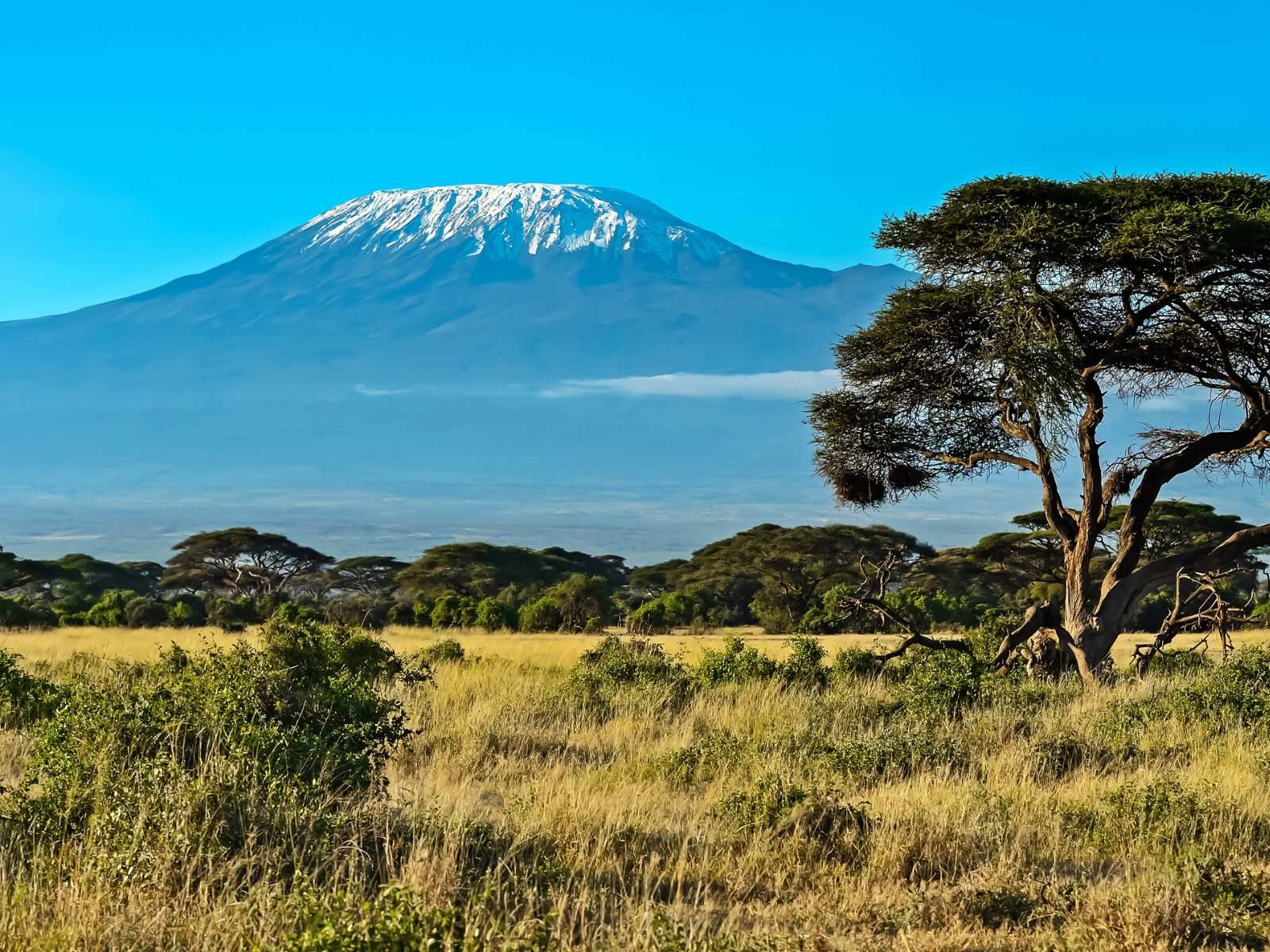
Mount Kenya Safari
Mount Kenya Safari
Mount Kenya Safari: A Majestic Journey Through Africa’s Second-Highest Peak
Introduction
Nestled in the heart of Kenya, Mount Kenya stands as a breathtaking beacon of natural wonder, cultural heritage, and ecological diversity. As Africa’s second-highest mountain after Kilimanjaro, this UNESCO World Heritage Site offers more than just a climbing challenge—it’s a sanctuary of alpine meadows, glacial lakes, and rare wildlife species. A Mount Kenya safari promises not only adventure but also a deep connection with Kenya’s soul.
In this comprehensive guide, we explore everything you need to know about experiencing Mount Kenya through a safari lens—from the best trekking routes to the unique flora and fauna, cultural encounters, and sustainable travel options.
Why Choose a Mount Kenya Safari?
A Mount Kenya safari is unlike any other African safari. While the Big Five dominate the savannahs of Maasai Mara and Tsavo, Mount Kenya offers a more intimate and immersive experience. Here’s why it stands out:
- Diverse Ecosystems: From bamboo forests to alpine zones, the mountain features multiple ecological belts.
- Rare Wildlife: Spot elusive species like the bongo antelope, giant forest hog, and colobus monkey.
- Cultural Richness: Engage with the Kikuyu, Embu, and Meru communities who revere the mountain as sacred.
- Adventure Options: Choose from trekking, birdwatching, camping, and even glacier hiking.
The Geography and Climate of Mount Kenya
Mount Kenya rises to 5,199 meters (17,057 feet) at its highest peak, Batian. The mountain is an extinct stratovolcano, and its rugged peaks and deep valleys were shaped by glacial activity.
Key Peaks of Mount Kenya
- Batian (5,199 m) – The highest and most technical peak.
- Nelion (5,188 m) – Slightly lower than Batian, often climbed together.
- Point Lenana (4,985 m) – The most accessible peak for trekkers.
Climate Zones
Mount Kenya’s climate varies dramatically with altitude:
- Lower Slopes: Warm and humid, with rich agricultural land.
- Montane Forest: Dense forests with high rainfall.
- Bamboo Zone: Transitional area with cooler temperatures.
- Alpine Heath: Open moorlands with giant lobelias and senecios.
- Nival Zone: Snow and glaciers near the summit.
Best Time to Visit Mount Kenya
The mountain can be visited year-round, but the best trekking conditions are during the dry seasons:
- January to March: Clear skies and warmer temperatures.
- July to October: Cooler but drier, ideal for hiking.
Avoid the rainy seasons (April–June and November) as trails can become slippery and visibility poor.
Safari Routes and Itineraries
There are several routes to explore Mount Kenya, each offering unique landscapes and experiences. Turkana Wildlife Safaris offers expertly guided tours tailored to various fitness levels and interests.
Popular Routes
1. Sirimon Route
- Starts from the northwest side.
- Gradual ascent with scenic views.
- Ideal for acclimatization.
2. Naro Moru Route
- Shortest and steepest route.
- Features the infamous “Vertical Bog.”
- Popular for descent.
3. Chogoria Route
- Most scenic route.
- Passes through Lake Ellis and Lake Michaelson.
- Best for photographers and nature lovers.
Sample 5-Day Itinerary
- Day 1: Arrival and transfer to Nanyuki.
- Day 2: Trek from Sirimon Gate to Old Moses Camp.
- Day 3: Hike to Shipton’s Camp.
- Day 4: Summit Point Lenana and descend to Chogoria Bandas.
- Day 5: Exit via Chogoria Gate and return to Nairobi.
Explore more Mount Kenya trekking itineraries here.
Flora and Fauna of Mount Kenya
Mount Kenya is a biodiversity hotspot, home to endemic species and unique plant life.
Flora Highlights
- Giant Lobelias: Towering plants found in the alpine zone.
- Senecio keniodendron: A tree-sized groundsel.
- Bamboo Forests: Dense and mysterious, often shrouded in mist.
Fauna Highlights
- Bongo Antelope: Rare and shy, found in the forest zone.
- Colobus Monkey: Black-and-white primates with long, flowing tails.
- Hyrax: Small mammals often seen sunbathing on rocks.
- Birds: Over 130 species including sunbirds, eagles, and turacos.
Cultural Significance of Mount Kenya
To the Kikuyu people, Mount Kenya is known as “Kirinyaga,” meaning “Place of Brightness.” It is considered the dwelling place of Ngai, the supreme deity. Traditional rituals and prayers are often directed toward the mountain.
Cultural Experiences
- Visit local villages near Nanyuki or Chogoria.
- Participate in storytelling sessions with elders.
- Learn about traditional herbal medicine and farming practices.
Sustainable Tourism and Conservation
Mount Kenya is protected as a national park and biosphere reserve. However, it faces threats from deforestation, climate change, and over-tourism.
How to Travel Responsibly
- Choose eco-certified tour operators like Turkana Wildlife Safaris.
- Carry reusable water bottles and avoid single-use plastics.
- Stick to designated trails to prevent erosion.
- Support local communities by buying handmade crafts and staying in community-run lodges.
Accommodation Options
Whether you’re a luxury traveler or a budget backpacker, Mount Kenya offers a range of accommodations.
Lodges and Camps
- Serena Mountain Lodge: Overlooks a waterhole, great for wildlife viewing.
- Old Moses Camp: Basic but comfortable, ideal for acclimatization.
- Shipton’s Camp: High-altitude base for summit attempts.
- Chogoria Bandas: Rustic cabins surrounded by forest.
Explore accommodation options tailored to your itinerary.
Packing List for a Mount Kenya Safari
Proper gear is essential for a safe and enjoyable experience.
Essentials
- Waterproof hiking boots
- Layered clothing (base, mid, and outer layers)
- Sleeping bag (rated for sub-zero temperatures)
- Trekking poles
- Headlamp with extra batteries
- Sunscreen and sunglasses
- First-aid kit
- Water purification tablets
Photography Tips for Mount Kenya
Capture the magic of Mount Kenya with these expert tips:
- Golden Hours: Shoot during sunrise and sunset for dramatic lighting.
- Wide-Angle Lens: Ideal for capturing vast landscapes.
- Macro Lens: Perfect for flora and insect photography.
- Tripod: Essential for long exposures and night shots.
- Respect Wildlife: Use zoom lenses and never disturb animals for a shot.
Mount Kenya vs. Kilimanjaro: Which to Choose?
| Feature | Mount Kenya | Kilimanjaro |
|---|---|---|
| Height | 5,199 m | 5,895 m |
| Technical Climbing | Required for Batian and Nelion | None (trekking only) |
| Crowds | Fewer tourists | Very popular and often crowded |
| Scenery | More diverse (forests, lakes, glaciers) | Mostly moorlands and volcanic terrain |
| Wildlife | Rich and varied | Limited due to altitude |
Frequently Asked Questions (FAQ)
1. Is Mount Kenya safe for tourists?
Yes, Mount Kenya is generally safe for tourists. Always travel with a certified guide, follow park regulations, and stay informed about weather conditions.
2. Do I need to be an experienced climber to summit?
Not necessarily. While Batian and Nelion require technical climbing, Point Lenana is accessible to trekkers with moderate fitness levels.
3. What permits are required?
You’ll need a Mount Kenya National Park entry permit, which is typically included in your safari package.
4. Can I combine Mount Kenya with other safaris?
Absolutely. Many travelers combine it with Samburu, Lake Turkana, or Maasai Mara safaris.
5. What is the altitude sickness risk?
Altitude sickness can affect anyone. Acclimatize properly, hydrate, and ascend gradually. Guides from Turkana Wildlife Safaris are trained to monitor symptoms.
Final Thoughts
A Mount Kenya safari is more than a journey—it’s a transformation. From the whispering bamboo forests to the icy breath of the summit, every step brings you closer to the heart of Africa. Whether you’re a seasoned mountaineer or a curious traveler, Mount Kenya offers a rare blend of adventure, culture, and serenity.
Ready to embark on this unforgettable expedition? Book your Mount Kenya safari today with Turkana Wildlife Safaris—your trusted partner in authentic African experiences.