
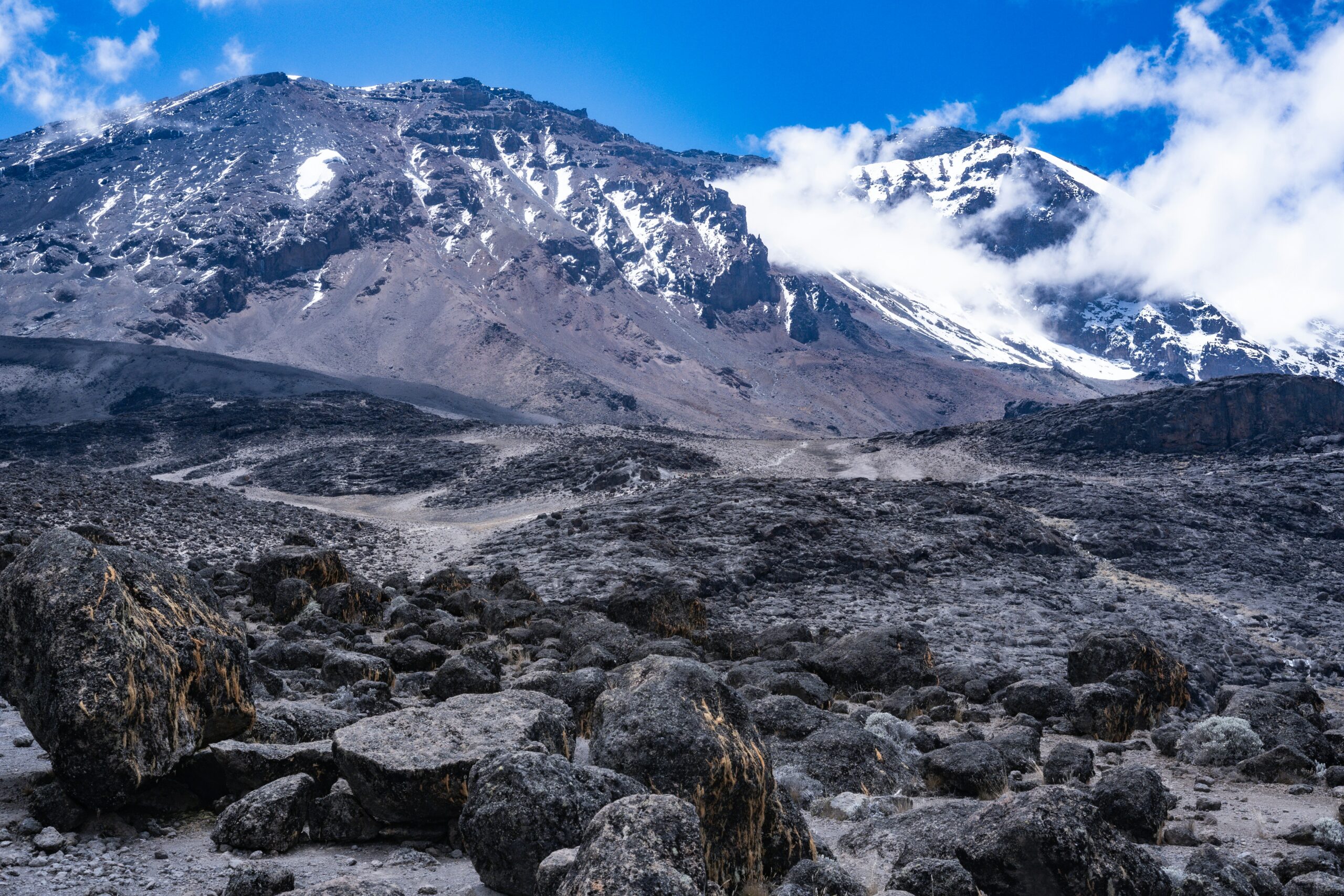
Mount Kilimanjaro Trekking
Mount Kilimanjaro Trekking: Conquer the Roof of Africa
Introduction
Mount Kilimanjaro, located in Tanzania, is not only the highest peak in Africa but also one of the most iconic mountains in the world. Rising majestically to a height of 5,895 meters (19,341 feet), Kilimanjaro offers a thrilling adventure for trekkers and mountaineers. This article will guide you through the exhilarating experience of trekking Mount Kilimanjaro, from the preparation and route options to the breathtaking views and challenges along the way. So, lace up your boots, grab your backpack, and let’s embark on a journey to conquer the Roof of Africa!
Preparation: Physical Fitness and Gear
Trekking Mount Kilimanjaro is a physically demanding endeavor that requires adequate preparation. Before setting foot on the mountain, it is crucial to ensure that you are in good physical condition. Regular cardiovascular exercises, such as hiking, running, or cycling, can help improve your endurance. Additionally, strength training exercises targeting your legs, core, and upper body will enhance your overall fitness level.
In terms of gear, investing in high-quality equipment is essential for a successful and comfortable trek. Here are some key items you should consider:
Hiking Boots: A sturdy pair of hiking boots with ankle support is crucial for navigating the rugged terrain of Kilimanjaro. Make sure to break them in before the trek to avoid blisters.
Layered Clothing: Kilimanjaro’s weather can be unpredictable, with temperatures ranging from scorching heat to freezing cold. Layered clothing, including moisture-wicking base layers, insulating mid-layers, and waterproof outer shells, will help you adapt to changing conditions.
Sleeping Bag: Choose a sleeping bag suitable for sub-zero temperatures to ensure a good night’s sleep during the cold nights on the mountain.
Backpack: Opt for a comfortable backpack with a capacity of at least 40-50 liters to carry your essentials, including water, snacks, extra clothing, and personal items.
Trekking Poles: Trekking poles provide stability and reduce strain on your joints during steep ascents and descents.
Remember, it is crucial to consult with a professional guide or tour operator to ensure you have all the necessary gear and equipment for a safe and enjoyable trek.
Route Options: Choosing the Right Path
Mount Kilimanjaro offers several route options, each with its own unique characteristics and challenges. The choice of route depends on factors such as your fitness level, time constraints, and personal preferences. Here are some popular routes to consider:
Machame Route: Known as the “Whiskey Route,” Machame is one of the most scenic and challenging routes. It offers breathtaking views and diverse landscapes, including lush rainforests, moorlands, and the famous Barranco Wall.
Marangu Route: Often referred to as the “Coca-Cola Route,” Marangu is the most popular and well-established route. It is known for its comfortable accommodations in huts along the way, making it a favorite choice for beginners.
Lemosho Route: The Lemosho Route is a longer and more remote option, offering stunning scenery and a higher chance of spotting wildlife. It is considered one of the most beautiful routes, but also more physically demanding.
Rongai Route: The Rongai Route approaches Kilimanjaro from the north, offering a quieter and less crowded experience. It is known for its picturesque views and diverse landscapes.
Northern Circuit Route: The Northern Circuit Route is the longest and most scenic route, circling around the mountain’s northern slopes. It provides ample time for acclimatization and offers stunning panoramic views.
Each route has its own pros and cons, so it is essential to research and choose the one that best suits your preferences and abilities.
The Trek: A Journey of Challenges and Rewards
Embarking on a trek up Mount Kilimanjaro is an adventure like no other. As you ascend through different climatic zones, you will witness breathtaking landscapes, encounter unique flora and fauna, and face various challenges. Here are some highlights of the trek:
Machame Gate to Machame Camp: The trek begins at the Machame Gate, where you will register and start your ascent through the lush rainforest. The first day’s hike takes you to Machame Camp, where you can rest and acclimatize.
Shira Camp to Lava Tower: From Shira Camp, you will trek across the Shira Plateau, a vast high-altitude desert. The trail then leads to the Lava Tower, a volcanic formation at an altitude of 4,630 meters (15,190 feet).
BarrancoWall and Karanga Valley: The Barranco Wall is a challenging but exhilarating section of the trek that requires some scrambling. Once you conquer the wall, you will descend into the beautiful Karanga Valley, where you can catch your breath and enjoy the stunning surroundings.
Barafu Camp and Summit Night: Barafu Camp, located at an altitude of 4,673 meters (15,331 feet), is the base camp for the final ascent to the summit. Summit night is the most challenging part of the trek, as you will start the ascent in the middle of the night to reach Uhuru Peak, the highest point of Kilimanjaro.
Uhuru Peak and Descent: Standing at Uhuru Peak, at an elevation of 5,895 meters (19,341 feet), is an indescribable feeling of accomplishment. Take in the panoramic views and capture the moment before beginning your descent back to the base camp and eventually back to civilization.
Throughout the trek, you will be accompanied by experienced guides and porters who will ensure your safety and provide support along the way. It is important to listen to their advice and follow their instructions to have a successful and enjoyable experience.
Frequently Asked Questions (FAQ)
1. Is it necessary to hire a guide for Mount Kilimanjaro trekking?
Yes, hiring a guide is highly recommended for Mount Kilimanjaro trekking. A guide not only ensures your safety but also provides valuable information about the route, weather conditions, and altitude sickness. They are experienced in handling emergencies and can make your trek more enjoyable and successful.
2. How long does it take to trek Mount Kilimanjaro?
The duration of the trek depends on the route chosen. On average, it takes around 6-8 days to complete the trek, including acclimatization days. However, some routes offer shorter or longer options, so it is important to check the itinerary with your tour operator.
3. What is altitude sickness, and how can I prevent it?
Altitude sickness, also known as acute mountain sickness (AMS), is a condition that occurs when your body doesn’t adapt properly to high altitudes. Symptoms may include headache, nausea, dizziness, and shortness of breath. To prevent altitude sickness, it is crucial to acclimatize properly by taking regular rest days, staying hydrated, and ascending slowly. It is also recommended to consult with your doctor before the trek and consider taking medication such as acetazolamide.
4. What is the best time to trek Mount Kilimanjaro?
The best time to trek Mount Kilimanjaro is during the dry seasons, which are from January to March and June to October. These months offer clearer skies and lower chances of rainfall, providing better visibility and more pleasant trekking conditions. However, Kilimanjaro can be trekked year-round, so it ultimately depends on your preferences and availability.
5. What are some alternative activities around Mount Kilimanjaro?
If you have some extra time before or after your Kilimanjaro trek, there are several other activities you can enjoy in the surrounding area. You can go on a safari in the nearby national parks, such as Serengeti or Ngorongoro Crater, to witness the incredible wildlife. You can also visit the beautiful town of Moshi, explore local markets, or immerse yourself in the vibrant Tanzanian culture.
Conclusion
Trekking Mount Kilimanjaro is a once-in-a-lifetime adventure that offers a unique blend of natural beauty, physical challenge, and personal achievement. By adequately preparing, choosing the right route, and embracing the journey, you can conquer the Roof of Africa and create memories that will last a lifetime. So, lace up your boots, take a deep breath, and embark on this incredible expedition to reach the summit of Mount Kilimanjaro.