
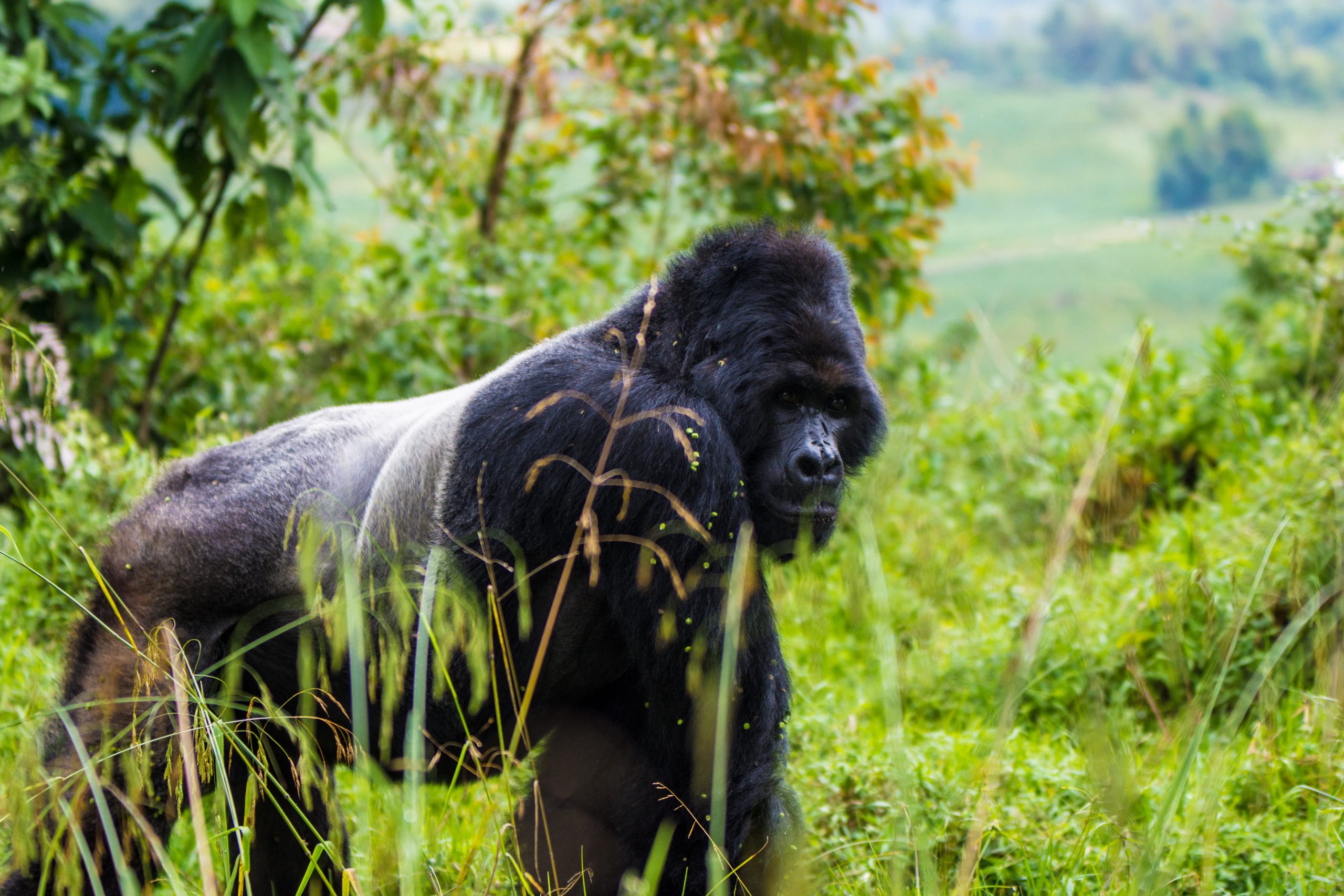
Mountain Gorilla Safaris Rwanda
Mountain Gorilla Safaris Rwanda
Ultimate Guide to Mountain Gorilla Safaris in Rwanda: A Journey into the Heart of the Wild
Rwanda, known as the “Land of a Thousand Hills,” offers one of the most extraordinary wildlife experiences on Earth — the chance to come face-to-face with the majestic mountain gorillas. Nestled in the misty highlands of Volcanoes National Park, these endangered primates live in a protected haven, drawing adventurers and nature lovers from across the globe. In this comprehensive guide, we’ll explore everything you need to know about planning a mountain gorilla safari in Rwanda, from permits and trekking tips to conservation efforts and cultural insights.
For an unforgettable gorilla trekking experience, check out Turkana Wildlife Safaris’ Rwanda Gorilla Tours.
Why Choose Rwanda for Gorilla Safaris
Rwanda is one of only three countries in the world where mountain gorillas can be seen in their natural habitat. The country’s commitment to conservation, excellent infrastructure, and political stability make it a top destination for eco-tourism.
Key Reasons to Choose Rwanda:
- Accessibility: Volcanoes National Park is just a 2.5-hour drive from Kigali International Airport.
- High Gorilla Population: Rwanda is home to over one-third of the world’s remaining mountain gorillas.
- Conservation Success: Rwanda has made significant strides in gorilla conservation, with numbers steadily increasing.
- Luxury and Mid-Range Lodging: From eco-lodges to luxury resorts, Rwanda offers a range of accommodations for all budgets.
Explore more about Rwanda gorilla tours with Turkana Wildlife Safaris.
Volcanoes National Park: The Gorilla Kingdom
Located in the northwestern part of Rwanda, Volcanoes National Park is part of the larger Virunga Conservation Area, which spans Rwanda, Uganda, and the Democratic Republic of Congo.
Highlights of Volcanoes National Park:
- Home to 12 habituated gorilla families
- Lush bamboo forests, volcanic peaks, and rich biodiversity
- Dian Fossey’s research site and grave
- Golden monkey tracking and bird watching
This park is not just a sanctuary for gorillas but a living, breathing ecosystem teeming with life and history.
Planning Your Gorilla Safari
A successful gorilla trekking experience requires thoughtful planning. From choosing the right time to travel to booking permits and accommodations, every detail matters.
Steps to Plan Your Safari:
- Book Early: Permits are limited and sell out months in advance.
- Choose a Reputable Tour Operator: We recommend Turkana Wildlife Safaris for expertly guided gorilla trekking packages.
- Prepare Physically: Treks can be strenuous, so a moderate level of fitness is essential.
- Pack Smart: Include waterproof clothing, hiking boots, gloves, and a walking stick.
Gorilla Trekking Permits and Costs
To protect the gorillas and their habitat, Rwanda limits the number of daily visitors. A permit is required to participate in a trek.
Permit Details:
- Cost: $1,500 USD per person (as of 2024)
- Includes: Park entry, ranger guide, and one hour with a gorilla family
- Where to Buy: Through the Rwanda Development Board or licensed tour operators like Turkana Wildlife Safaris
Permits are non-refundable and non-transferable, so be sure of your travel dates before booking.
What to Expect During the Trek
Gorilla trekking is a once-in-a-lifetime experience that combines adventure, nature, and awe.
Trekking Experience:
- Duration: 1 to 6 hours depending on the gorilla family’s location
- Terrain: Steep, muddy, and often slippery trails
- Group Size: Limited to 8 people per gorilla family
- Time with Gorillas: 1 hour of observation and photography
During the trek, you’ll be guided by experienced trackers and armed rangers who ensure your safety and the well-being of the gorillas.
Best Time to Visit Rwanda for Gorilla Trekking
Rwanda has a temperate climate, making it suitable for travel year-round. However, some months are better than others for trekking.
Best Seasons:
- Dry Seasons: June to September and December to February
- Rainy Seasons: March to May and October to November
Dry seasons offer easier hiking conditions and better visibility for photography. For more travel tips, visit Turkana Wildlife Safaris’ travel guide.
Conservation Efforts and Community Impact
Rwanda’s gorilla tourism is a model of sustainable travel. A significant portion of permit fees goes directly to conservation and community development.
Conservation Initiatives:
- Revenue Sharing: 10% of permit fees support local communities
- Anti-Poaching Units: Patrols and surveillance to protect gorillas
- Habitat Restoration: Reforestation and land management programs
By choosing a gorilla safari in Rwanda, you are directly contributing to the survival of these incredible animals.
Other Attractions Near Volcanoes National Park
While gorilla trekking is the main attraction, the surrounding region offers a wealth of experiences.
Nearby Attractions:
- Dian Fossey Tomb Hike: Pay tribute to the legendary primatologist.
- Golden Monkey Tracking: A rare and playful species endemic to the Virungas.
- Musanze Caves: Explore ancient lava tunnels.
- Twin Lakes (Burera & Ruhondo): Scenic views and birdwatching.
Combine your gorilla trek with other Rwanda wildlife safaris for a fuller experience.
Tips for a Successful Gorilla Safari
Make the most of your adventure with these expert tips:
Packing Essentials:
- Waterproof hiking boots
- Long-sleeved shirts and trousers
- Garden gloves for gripping vegetation
- Rain jacket and hat
- Insect repellent and sunscreen
Trekking Etiquette:
- Maintain a 7-meter distance from gorillas
- Speak in low tones
- Do not eat or drink near the gorillas
- Follow your guide’s instructions at all times
For more preparation advice, consult Turkana Wildlife Safaris’ packing list.
FAQs
1. How difficult is gorilla trekking in Rwanda?
Trekking can be moderately to highly strenuous depending on the location of the gorilla family. A basic level of fitness is recommended. Trails can be steep and muddy, especially during the rainy season.
2. Is it safe to visit Rwanda for gorilla safaris?
Yes, Rwanda is one of the safest countries in Africa for tourists. Volcanoes National Park is well-patrolled, and guided treks are conducted with the utmost safety protocols.
3. What is the best time of year for gorilla trekking?
The best months are during the dry seasons — June to September and December to February. These months offer better trail conditions and higher chances of clear views.
4. What should I wear for a gorilla trek?
Wear long-sleeved clothing, waterproof hiking boots, gloves, and a rain jacket. Neutral colors are recommended to blend in with the environment.
5. Can I combine gorilla trekking with other safaris?
Absolutely! Turkana Wildlife Safaris offers combined packages that include chimpanzee tracking, game drives in Akagera National Park, and cultural tours.
Conclusion
A mountain gorilla safari in Rwanda is more than just a wildlife encounter — it’s a transformative journey into one of the world’s most pristine and awe-inspiring ecosystems. With its commitment to conservation, welcoming communities, and breathtaking landscapes, Rwanda offers an experience that is both intimate and impactful.
Whether you’re a seasoned traveler or a first-time adventurer, this is your chance to witness the raw beauty of nature and contribute to the preservation of one of Earth’s most endangered species.
Ready to start your adventure? Explore Rwanda Gorilla Safaris with Turkana Wildlife Safaris and book your trek today.