
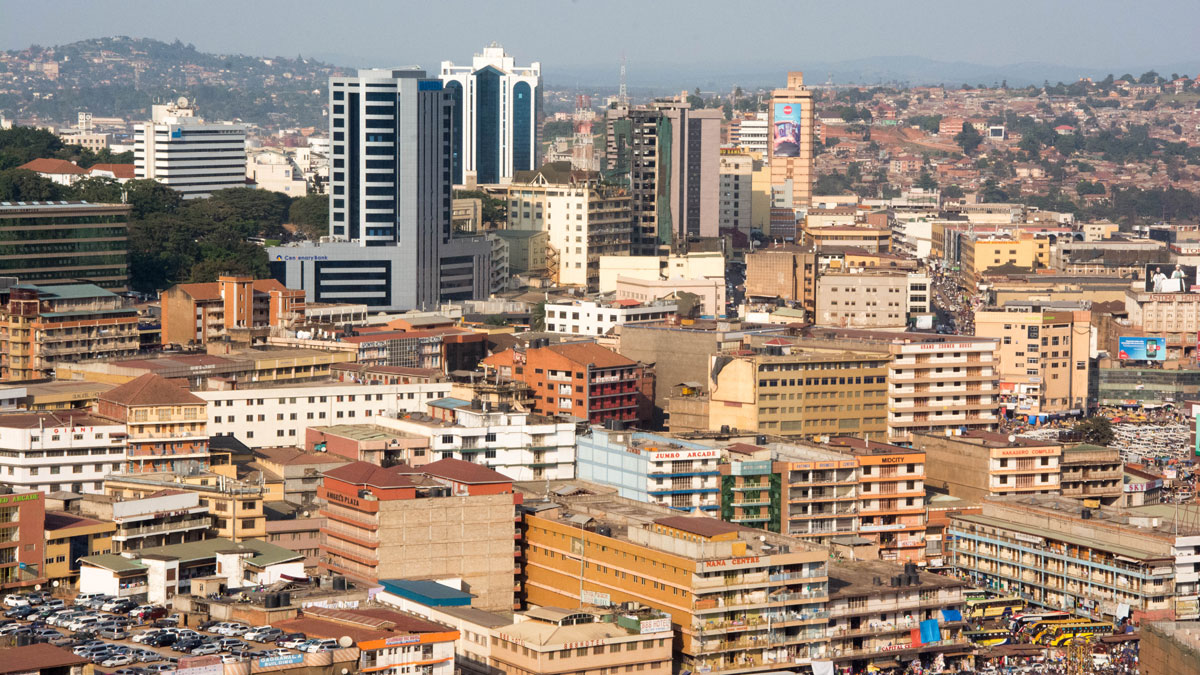
Moving to Kampala
Moving to Kampala
The Ultimate Guide to Moving to Kampala: Everything You Need to Know Before Relocating
Relocating to a new city is a life-changing decision, and if you’re considering a move to Kampala, Uganda’s vibrant capital, you’re in for a culturally rich and dynamic experience. This comprehensive guide will walk you through everything you need to know—from housing and cost of living to job opportunities, lifestyle, and safety. Whether you’re moving for work, education, or a fresh start, this article is your go-to resource for a successful transition.
Why Choose Kampala?
Kampala is the beating heart of Uganda. As the nation’s capital and largest city, it offers a unique blend of modernity and tradition. With its bustling markets, thriving nightlife, and growing economy, Kampala is increasingly becoming a hotspot for both expatriates and locals seeking opportunities.
Key Highlights of Kampala:
- Strategic location near Lake Victoria
- Diverse population and cultures
- Affordable cost of living compared to other African capitals
- Expanding infrastructure and real estate
- A growing tech and startup ecosystem
Understanding Kampala’s Geography
Kampala is built on seven historical hills, each with its own character and significance. Today, the city has expanded far beyond these original hills, encompassing numerous neighborhoods and suburbs.
Major Areas in Kampala:
- Kololo – An upscale area known for embassies and luxury homes
- Naguru – Popular with expats, offering modern apartments and international schools
- Bugolobi – A lively suburb with a mix of residential and commercial spaces
- Ntinda – A growing middle-class neighborhood with shopping centers and restaurants
- Kansanga & Kabalagala – Known for nightlife and proximity to universities
Explore Kampala’s neighborhoods
Cost of Living in Kampala
One of the most attractive aspects of moving to Kampala is its relatively low cost of living. While prices can vary depending on lifestyle and location, most expats find Kampala to be affordable.
Monthly Expenses (Estimated):
- Rent (1-bedroom apartment in city center): $300–$600
- Utilities (electricity, water, garbage): $50–$100
- Internet (unlimited): $30–$50
- Transportation (local taxis, boda bodas): $50–$100
- Groceries and dining out: $200–$400
Check the latest cost of living data
Finding Accommodation
Whether you’re looking for a luxury apartment, a family home, or a budget-friendly flat, Kampala offers a wide range of housing options. Most expats prefer renting, and short-term leases are common.
Tips for Renting in Kampala:
- Use reputable real estate agents or platforms like Jumia House
- Visit properties in person before making payments
- Negotiate rent—landlords often expect it
- Ensure the property has a backup generator and water tank due to occasional outages
Employment Opportunities
Kampala is Uganda’s economic hub, offering opportunities in various sectors including finance, education, tourism, and especially technology. The city has a burgeoning startup scene, with many international NGOs and companies headquartered here.
In-Demand Sectors:
- Information Technology and Startups
- Education and International Schools
- Healthcare and Medical Services
- Hospitality and Tourism
- NGO and Development Work
Explore job listings in Kampala
Education and Schools
If you’re moving with children, Kampala has a number of reputable international and private schools that follow British, American, and IB curricula.
Top International Schools:
- International School of Uganda (ISU)
- Kampala International School (KISU)
- Heritage International School
- Rainbow International School
These schools offer world-class education but can be expensive, with fees ranging from $5,000 to $20,000 per year.
Compare international schools in Kampala
Healthcare and Medical Services
Kampala has a growing healthcare sector with several private hospitals and clinics offering quality services. However, for complex medical procedures, many residents travel to Kenya or South Africa.
Recommended Hospitals:
- International Hospital Kampala (IHK)
- Nakasero Hospital
- Case Medical Centre
- Kampala Hospital
It’s advisable to have international health insurance that covers evacuation in case of emergencies.
Learn more about healthcare in Uganda
Transportation and Getting Around
Kampala’s traffic can be intense, especially during rush hours. However, there are several ways to navigate the city.
Transportation Options:
- Boda Bodas – Motorcycle taxis, fast but risky
- Matatus – Shared minibuses, cheap but crowded
- Private Cars & Ride-Hailing Apps – Uber, Bolt, and SafeBoda are widely used
- Car Rentals – Available for short or long-term stays
Tips for getting around Kampala
Culture and Lifestyle
Kampala is a cultural melting pot with a vibrant arts scene, music, and culinary diversity. From traditional Ugandan dishes to international cuisine, the city caters to all tastes.
Must-Experience Activities:
- Visit the Uganda Museum
- Explore Ndere Cultural Centre
- Dine at Café Javas, Mediterraneo, or The Lawns
- Enjoy live music at Jazzville Bugolobi or The Alchemist
- Shop at Craft Markets and Acacia Mall
Discover things to do in Kampala
Safety and Security
While Kampala is generally safe, petty crime such as pickpocketing can occur. It’s important to stay vigilant, especially in crowded areas.
Safety Tips:
- Avoid walking alone at night
- Use ride-hailing apps instead of hailing taxis
- Keep valuables secure and out of sight
- Register with your embassy upon arrival
Read travel advisories for Uganda
Legal Requirements and Visas
To live in Kampala, you’ll need the appropriate visa or work permit. Uganda offers several visa categories depending on your purpose of stay.
Types of Visas:
- Tourist Visa – Valid for 90 days
- Work Permit – Required for employment
- Dependent Pass – For spouses and children of permit holders
- Student Visa – For educational purposes
Apply for a Ugandan visa online
Expat Communities and Networking
Kampala has a welcoming expat community. Many newcomers find it easy to connect through social clubs, events, and online forums.
Popular Expat Groups:
- Internations Kampala
- Facebook groups like “Expats in Uganda”
- Rotary Clubs and Chambers of Commerce
- Meetup events and language exchanges
Internet and Mobile Connectivity
Uganda has a competitive telecom market, and Kampala enjoys good internet coverage. You can choose from several providers for mobile and home internet.
Top Providers:
- MTN Uganda
- Airtel Uganda
- Smile Telecom
- Roke Telkom
Most providers offer 4G and fiber options, and mobile money services are widely used for payments.
Compare internet providers in Uganda
Pros and Cons of Living in Kampala
✅ Pros:
- Affordable lifestyle
- Friendly locals
- Growing job market
- Rich culture and history
- English is widely spoken
❌ Cons:
- Traffic congestion
- Occasional power and water outages
- Limited public transport
- Healthcare limitations for complex procedures
Final Thoughts: Is Kampala Right for You?
Moving to Kampala can be an enriching and transformative experience. With its welcoming people, dynamic economy, and cultural vibrancy, the city offers a unique lifestyle that blends the traditional with the modern. If you’re seeking adventure, opportunity, and a new perspective on life, Kampala might just be your next home.
Frequently Asked Questions (FAQ)
1. Is Kampala safe for expats?
Yes, Kampala is generally safe, especially in expat-friendly areas like Kololo and Naguru. However, like any major city, petty crime exists. Stay informed with travel advisories.
2. What is the best area to live in Kampala?
Popular areas include Kololo, Naguru, and Bugolobi for their safety, amenities, and proximity to international schools and embassies. Explore neighborhoods here.
3. Can foreigners buy property in Kampala?
Yes, foreigners can lease land for up to 99 years. It’s advisable to work with a local lawyer and real estate agent. Learn more about property laws in Uganda.
4. What is the cost of living for a family in Kampala?
A family of four can live comfortably on $2,000–$3,000/month including rent, school fees, and utilities. Check detailed cost breakdowns.
5. Do I need a car in Kampala?
While not essential, having a car offers convenience, especially for families. Ride-hailing apps and boda bodas are alternatives. Compare transportation options.
Ready to make the move? Kampala awaits you with open arms and endless possibilities. Whether you’re chasing a career, starting a business, or simply seeking a new adventure, Uganda’s capital offers a vibrant, welcoming, and opportunity-filled environment to call home.