
Nairobi to Uganda Safari
Nairobi to Uganda Safari
Nairobi to Uganda Safari: The Ultimate Kenya and Uganda Wildlife Adventure
A Nairobi to Uganda safari is one of the most exciting ways to experience the incredible diversity of East Africa. Starting your journey in Nairobi, Kenya, and continuing into Uganda allows travelers to combine the famous Kenyan savannah with Uganda’s spectacular wildlife, tropical forests, mountains, rivers, and primate experiences.
For travelers looking for something beyond a traditional Kenya safari, Uganda offers a completely different side of East Africa. From the dramatic landscapes of Murchison Falls National Park and the wildlife-rich plains of Queen Elizabeth National Park to chimpanzee tracking and the unforgettable experience of mountain gorilla trekking, Uganda provides an adventure that can complement a Kenyan safari perfectly.
A Nairobi-to-Uganda journey can be completed by road through the Kenya-Uganda border or by taking a flight from Nairobi to Entebbe. Overland travelers commonly cross at Busia or Malaba, two major border points connecting Kenya and Uganda.
With Turkana Wildlife Safaris Uganda, travelers can create a customized East African safari combining Kenya and Uganda according to their available time, interests, and budget.
Why Choose a Nairobi to Uganda Safari?
Kenya and Uganda are neighboring East African countries, but each offers a unique safari experience.
Kenya is famous for destinations such as the Maasai Mara, Amboseli and Lake Nakuru, while Uganda is particularly well known for its lush landscapes, primates, mountain gorillas, chimpanzees, and spectacular national parks.
Combining the two countries means you can experience:
- The famous Kenyan savannah
- Lions, elephants, leopards, giraffes and zebras
- The Maasai Mara ecosystem
- The Kenya-Uganda cultural and scenic journey
- Murchison Falls and the Nile River
- Queen Elizabeth National Park
- Kazinga Channel boat cruises
- Tree-climbing lions
- Chimpanzee tracking
- Mountain gorilla trekking
- Bwindi Impenetrable National Park
- Local communities and cultural experiences
The Kenya-Uganda combination is especially attractive for travelers who want both a classic African safari and a primate adventure.
Nairobi to Uganda Safari: How Does It Work?
There are two main ways to travel from Nairobi to Uganda:
1. Nairobi to Uganda by Road
Traveling by road provides an opportunity to see the changing landscapes of Kenya and Uganda.
The road journey from Nairobi toward Uganda passes through western Kenya before reaching the international border. Depending on the selected route, travelers can cross at Busia or Malaba.
The Nairobi-to-Kampala road journey is roughly 700–750 kilometres, depending on the route, and the journey can take most of a day when traveling directly.
For a safari, however, we recommend avoiding a rushed transfer and incorporating interesting stops and safari destinations along the way.
2. Nairobi to Uganda by Flight
Flying from Nairobi to Entebbe is the fastest option.
A flight allows travelers to save considerable time and begin their Ugandan safari sooner. This option is particularly suitable for travelers with limited vacation time who want to combine a Kenyan safari with gorilla trekking or a Ugandan wildlife safari.
Suggested Nairobi to Uganda Safari Itinerary
The ideal itinerary depends on whether you want to focus on wildlife, gorillas, chimpanzees, or a combination of everything.
Here is an example of a 10-day Nairobi to Uganda safari.
Day 1: Arrival in Nairobi
Begin your East African adventure in Nairobi.
Depending on your arrival time, you can relax at your hotel or visit one of Nairobi’s attractions before starting the safari.
If you are already completing a Kenya safari, your Nairobi-to-Uganda journey can begin after your final night in Kenya.
Day 2: Nairobi to Western Kenya
Depart Nairobi and travel west toward the Kenya-Uganda border.
The journey provides an opportunity to experience Kenya beyond the typical safari parks, passing through towns, agricultural areas and changing landscapes.
Depending on your itinerary, you can overnight in western Kenya before crossing into Uganda.
Day 3: Cross the Kenya-Uganda Border and Continue to Uganda
After completing border formalities, continue into Uganda.
The crossing can be arranged through Busia or Malaba, depending on your itinerary and current road logistics. Travelers should ensure that passports, visas or relevant travel documents and vaccination requirements are in order before beginning the journey.
Once inside Uganda, the landscape gradually changes as you travel toward your selected safari destination.
Day 4: Ziwa Rhino Sanctuary or Murchison Falls National Park
One excellent option is to continue toward Murchison Falls National Park, Uganda’s largest national park.
Murchison Falls is famous for the powerful Victoria Nile, which squeezes through a narrow gorge before plunging downstream.
The park offers opportunities to see:
- Elephants
- Lions
- Buffaloes
- Uganda kob
- Giraffes
- Leopards
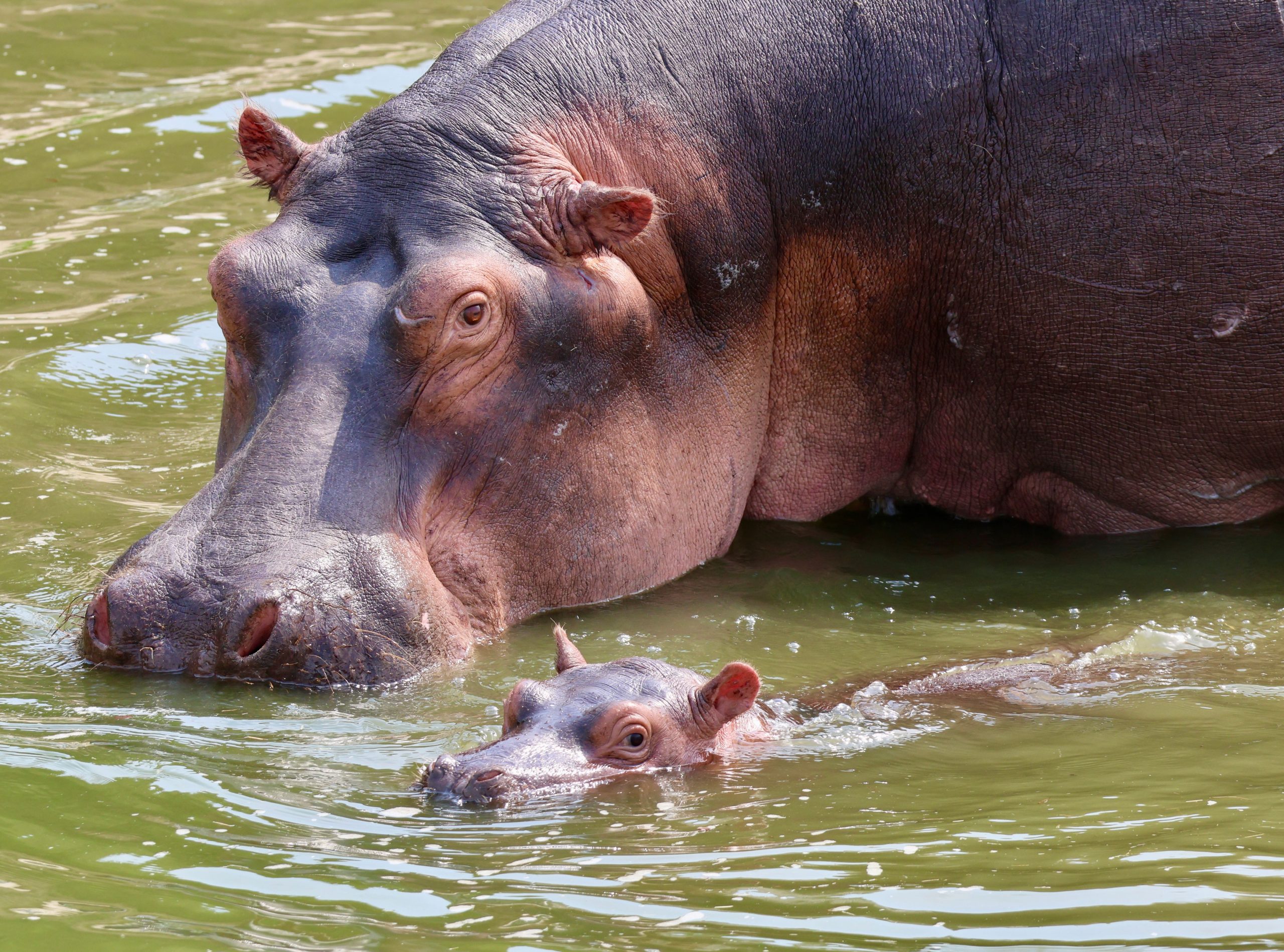
- Hippopotamuses
- Crocodiles
- Numerous bird species
Murchison Falls is approximately 300 kilometres from Kampala, and the road journey from Kampala generally takes around five to six hours depending on the route and stops.
A stop at Ziwa Rhino Sanctuary can also be incorporated into some itineraries for travelers interested in rhinoceros tracking.
Day 5: Murchison Falls Game Drive and Nile Boat Cruise
Wake up early for a morning game drive.
The northern sector of Murchison Falls is particularly rewarding for wildlife viewing, with open savannah landscapes providing opportunities to search for elephants, giraffes, buffaloes, lions and Uganda kob.
Later, enjoy a boat cruise along the Nile toward the bottom of Murchison Falls.
The Nile cruise is one of the highlights of a Uganda safari. From the water, visitors can observe hippos, crocodiles, elephants and numerous water birds.
The combination of a game drive and Nile cruise makes Murchison Falls one of the best destinations for travelers seeking a traditional African wildlife experience in Uganda.
Day 6: Murchison Falls to Queen Elizabeth National Park
Continue south toward Queen Elizabeth National Park.
This is a longer transfer day, so the journey should be planned carefully rather than rushed.
Queen Elizabeth National Park offers a completely different environment from Murchison Falls.
The park is characterized by savannah, wetlands, crater lakes and the spectacular Rwenzori Mountains in the distance.
Day 7: Queen Elizabeth National Park Game Drive
Start the day with a game drive through the park.
Queen Elizabeth National Park is home to numerous wildlife species, including:
- Elephants
- Lions
- Buffaloes
- Uganda kob
- Hippos
- Leopards
- Warthogs
- Antelopes
- Numerous bird species
The Kasenyi Plains are particularly popular for wildlife viewing.
For travelers who have additional time, the Ishasha sector can be added to the itinerary. Ishasha is famous for its tree-climbing lions.
Day 8: Kazinga Channel Boat Cruise
Enjoy a boat cruise along the famous Kazinga Channel, which connects Lake Edward and Lake George.
The channel is an excellent place to observe wildlife from the water.
Hippos can often be seen in large numbers, while elephants and buffaloes may gather near the shoreline. Crocodiles and many species of water birds can also be spotted.
For photographers, this is one of the most rewarding activities on a Uganda safari because the boat provides a different perspective from a traditional game drive.
Day 9: Bwindi Impenetrable National Park
Continue toward southwestern Uganda and the famous Bwindi Impenetrable National Park.
Bwindi is internationally recognized for its mountain gorillas and is one of Uganda’s most important tourism destinations.
The journey to Bwindi can involve winding mountain roads, but the dramatic scenery is part of the experience. Road access from Kampala through Kabale and onward to Bwindi varies depending on the sector, and a 4WD safari vehicle is recommended for many routes.
Travelers can spend the evening relaxing at their lodge and preparing for the next day’s gorilla trekking experience.
Day 10: Gorilla Trekking and Safari Departure
For travelers who have included gorilla trekking, this is the highlight of the trip.
Gorilla trekking takes visitors into the forest in search of habituated mountain gorilla families.
The experience can be physically demanding because Bwindi is mountainous and the trekking conditions can vary.
After the trek, travelers can either continue to another destination in Uganda, return toward Entebbe, or connect with a future flight depending on their travel arrangements.
Alternative Nairobi to Uganda Safari Routes
Not every traveler wants the same safari.
At Turkana Wildlife Safaris Uganda, the itinerary can be adjusted according to your interests.
Nairobi – Maasai Mara – Uganda
This is an excellent option for travelers who want a classic Kenyan safari before continuing to Uganda.
A possible route is:
Nairobi → Maasai Mara → Western Kenya → Uganda → Queen Elizabeth → Bwindi
This combination is ideal for travelers interested in big cats, savannah wildlife and gorilla trekking.
Nairobi – Lake Nakuru – Uganda
Travelers can include Lake Nakuru before continuing toward western Kenya and Uganda.
This option provides additional wildlife and scenic experiences before crossing the border.
Nairobi – Uganda Wildlife Safari
Travelers who have already visited Kenya’s national parks can travel from Nairobi directly toward Uganda and focus their time on Ugandan wildlife.
A possible itinerary is:
Nairobi → Busia/Malaba → Murchison Falls → Queen Elizabeth → Bwindi
Nairobi – Uganda Gorilla Safari
For travelers whose main goal is seeing mountain gorillas, flying from Nairobi to Entebbe and continuing overland to southwestern Uganda can be more time-efficient.
Best Places to Visit on a Nairobi to Uganda Safari
Murchison Falls National Park
Murchison Falls is ideal for travelers who want classic savannah wildlife combined with a river experience.
The Victoria Nile is the centerpiece of the park, while game drives offer opportunities to see giraffes, elephants, buffaloes, lions and other wildlife.
Queen Elizabeth National Park
Queen Elizabeth provides an excellent combination of savannah, wetlands and wildlife.
The Kazinga Channel boat cruise and Ishasha’s tree-climbing lions are among its major attractions.
Bwindi Impenetrable National Park
Bwindi is the ideal destination for travelers who want to add mountain gorilla trekking to their East African adventure.
The forest environment provides a dramatic contrast to Kenya’s open savannahs.
Kibale Forest National Park
Travelers interested in primates can extend their safari to Kibale Forest for chimpanzee trekking and other forest experiences.
This makes Uganda particularly attractive to travelers who want more than traditional game drives.
Why Book with Turkana Wildlife Safaris Uganda?
Turkana Wildlife Safaris Uganda specializes in creating memorable Uganda safari experiences for travelers looking for wildlife, nature, culture and adventure.
When planning a Nairobi-to-Uganda safari, working with a local safari company can make the journey easier because your itinerary can be designed around border crossings, accommodation, transportation, park activities and available time.
We can help organize:
- Kenya-Uganda safari combinations
- Nairobi-to-Uganda road safaris
- Uganda wildlife safaris
- Gorilla trekking safaris
- Chimpanzee trekking
- Murchison Falls safaris
- Queen Elizabeth safaris
- Bwindi safaris
- Cultural experiences
- Private safari vehicles
- Airport transfers
- Accommodation
- Customized safari itineraries
Our goal is to make your journey through East Africa comfortable, exciting and memorable.
What Is the Best Time for a Nairobi to Uganda Safari?
Uganda can be visited throughout the year.
However, many travelers prefer the relatively drier periods of June to September and December to February, when wildlife viewing and road conditions can be favorable.
The wetter months can also be rewarding, especially for travelers interested in lush landscapes, bird watching and fewer tourists.
For gorilla trekking, Uganda’s forests remain accessible throughout the year, although rainfall can affect trail conditions.
The best travel period ultimately depends on whether your priority is wildlife viewing, gorilla trekking, photography, birding, budget travel or avoiding peak tourist periods.
How Much Does a Nairobi to Uganda Safari Cost?
The cost depends heavily on the length of the safari and the activities included.
Major factors include:
- Number of safari days
- Number of travelers
- Accommodation category
- Private or shared safari
- Road or air transportation
- National park fees
- Gorilla trekking permits
- Chimpanzee permits
- Number of game drives
- Boat cruises
- Border transportation
- Season of travel
A budget safari can be designed for travelers looking for affordable accommodation and shared services, while luxury travelers can choose premium lodges, private vehicles and flights.
The best approach is to request a customized quotation from Turkana Wildlife Safaris Uganda based on your travel dates and preferred activities.
What to Pack for a Nairobi to Uganda Safari
A well-prepared traveler will have a much more comfortable safari.
Recommended items include:
- Lightweight clothing
- Long-sleeved shirts
- Comfortable trousers
- Hiking shoes
- Hat
- Sunglasses
- Sunscreen
- Insect repellent
- Binoculars
- Camera
- Extra batteries or power bank
- Small daypack
- Rain jacket
- Reusable water bottle
- Personal medication
- Valid passport
- Required travel documents
For gorilla trekking, sturdy hiking shoes, long trousers, gloves and rain protection are particularly useful.
Frequently Asked Questions About Nairobi to Uganda Safari
1. Can I travel from Nairobi to Uganda by road?
Yes. Nairobi is connected to Uganda by road, with major border crossings at Busia and Malaba. The direct Nairobi-Kampala journey is roughly 700–750 kilometres depending on the route.
2. How long does a Nairobi to Uganda road trip take?
A direct road transfer can take most of a day. However, a safari itinerary should not be treated like a simple point-to-point transfer. Adding overnight stops and wildlife destinations makes the journey much more enjoyable.
3. Can I combine Kenya and Uganda in one safari?
Absolutely. Kenya and Uganda complement each other very well. You can combine the Maasai Mara or other Kenyan destinations with Murchison Falls, Queen Elizabeth, Kibale or Bwindi in Uganda.
4. Is it better to fly or drive from Nairobi to Uganda?
It depends on your priorities.
Flying is best if you have limited time. Driving is ideal for travelers who enjoy overland journeys and want to experience the changing landscapes between Kenya and Uganda.
5. Can I go from Nairobi to Uganda for gorilla trekking?
Yes. You can travel from Nairobi to Uganda and continue to Bwindi Impenetrable National Park for gorilla trekking.
For a shorter itinerary, flying from Nairobi to Entebbe and then taking a safari vehicle toward Bwindi can save significant travel time.
6. Can I see the Big Five on a Nairobi to Uganda safari?
Kenya and Uganda together provide opportunities to see many of Africa’s iconic animals. However, wildlife sightings are never guaranteed, and the exact species encountered depend on the destinations and season.
7. Can I visit Murchison Falls and Queen Elizabeth on the same safari?
Yes. These parks can be combined into one longer Uganda safari. Murchison provides Nile scenery and northern savannah wildlife, while Queen Elizabeth offers the Kazinga Channel and access to the Ishasha sector.
8. Can I add chimpanzee trekking?
Yes. Kibale Forest can be added to a Uganda itinerary for travelers interested in chimpanzees and other primates.
9. Is Uganda worth visiting after Kenya?
Definitely. Kenya and Uganda offer different safari experiences. Kenya is famous for its expansive savannahs and Maasai Mara, while Uganda combines savannah wildlife with forests, primates, gorillas, mountains and the Nile.
10. How many days do I need for a Nairobi to Uganda safari?
For a meaningful Kenya-Uganda combination, 10–14 days is a good starting point. Shorter trips are possible, especially when flying between destinations, while travelers with more time can create a two- or three-week East African adventure.
11. Can Turkana Wildlife Safaris Uganda customize the safari?
Yes. A Nairobi-to-Uganda safari can be customized according to your budget, travel dates, preferred accommodation, number of travelers and interests.
Conclusion: Start Your Nairobi to Uganda Safari with Turkana Wildlife Safaris Uganda
A Nairobi to Uganda safari is much more than a journey between two countries. It is an opportunity to experience the remarkable diversity of East Africa in one adventure.
From the energetic streets of Nairobi and the open savannahs of Kenya to the mighty Nile, Murchison Falls, Queen Elizabeth’s wildlife, the forests of Kibale and the mountain gorillas of Bwindi, every stage of the journey offers something different.
For travelers seeking a combination of wildlife, adventure, nature, culture and primates, Kenya and Uganda make an exceptional safari partnership.
Whether you want a short wildlife extension from Nairobi, a road adventure across the Kenya-Uganda border, a luxury East African safari, or a once-in-a-lifetime gorilla trekking experience, Turkana Wildlife Safaris Uganda can create a safari designed around your interests.
Your East African adventure can begin in Nairobi and continue into the heart of Uganda.
Turkana Wildlife Safaris Uganda
Explore Uganda. Experience the wild. Create memories that last a lifetime.