
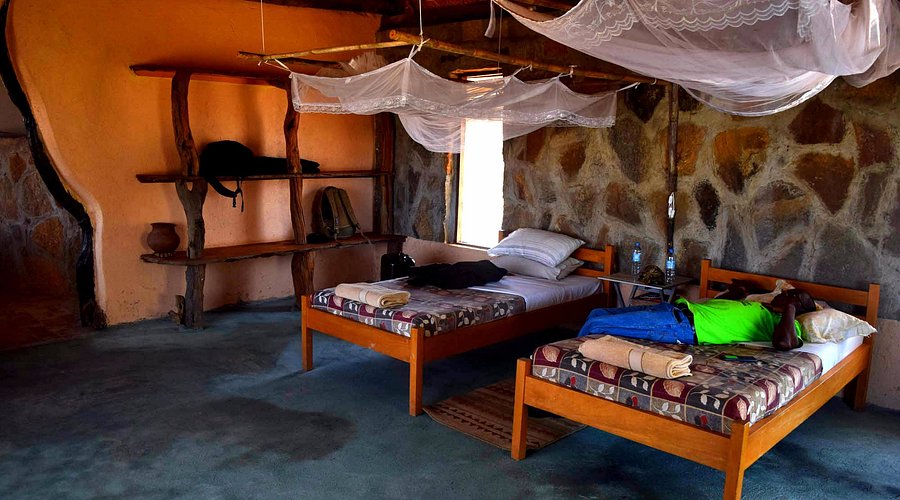
Nga Moru
Nga Moru
Nga Moru Wilderness Camp: A Field Guide to Remote Comfort, Culture, and Wild Uganda.
Introduction: Why Nga Moru Wilderness Camp Changes the Way You Travel
There are trips where you visit a destination—and trips where you live inside it. Nga Moru Wilderness Camp belongs to the second category. It’s the kind of stay that trades hotel polish for something rarer: proximity to the land, unhurried mornings, and nights defined by wind, stars, and silence rather than schedules.
For travelers mapping a deeper route through northern Uganda, the camp style experience can become the anchor that makes the whole itinerary feel coherent. If you want help shaping logistics, transfers, and multi-stop planning across the region, start with Turkana Wildlife Safaris a useful reference point for safari structuring and route design.
What Is “Nga Moru Wilderness Camp” (and Who Is It For)?
Nga Moru Wilderness Camp is best understood as a tented, nature-forward base designed to keep travelers close to the surrounding landscape and community life—without turning the experience into a staged performance.
This style of camp is ideal for:
- Travelers seeking authentic regional character
- Photographers who value light, space, and atmosphere
- Birders and naturalists who enjoy quiet observation
- Visitors who want cultural engagement that is locally guided and permission-based
It may not be ideal for:
- Travelers who need constant connectivity and nightlife
- Those who want guaranteed high-density wildlife viewing at all times
- Anyone uncomfortable with insects, dust, or the realities of rural travel
To integrate this camp into a wider Uganda circuit (or a cross-border East Africa plan), consult an itinerary builder like Turkana Wildlife Safaris for broader routing ideas and travel-time realism.
The Setting: What Makes Nga Moru Feel Different
The magic of a wilderness camp is rarely a single “wow” moment—it’s accumulation. At Nga Moru Wilderness Camp, the setting tends to reward:
1) Dawn and dusk (the true headline acts)
- Cooler air, softer light, better walking conditions
- Bird activity peaks and more natural movement across the landscape
- The kind of silence that makes small sounds feel significant
2) The night sky
With limited light pollution, stars become part of the accommodation experience—one of the biggest “luxuries” remote camps offer without trying.
3) A slower rhythm
Camp living naturally reduces rushing:
- meals are simpler but more intentional
- days are shaped by weather and terrain
- the itinerary becomes human-paced
Accommodation Style: What to Expect at a Wilderness Camp
Because “wilderness camp” can range from basic to semi-luxury, it helps to think in practical categories.
Common features
- Tented rooms or safari-style canvas setups
- Simple but functional sleeping arrangements
- Shared or private washing facilities (depending on the camp level)
- Campfire or communal seating area for evenings
Typical pros
- Immersion and atmosphere
- More meaningful mornings and evenings
- A feeling of exclusivity without crowds
Typical trade-offs
- Limited charging and electricity windows
- Occasional weather effects (wind, rain, dust)
- Travel times can be longer than you expect
If you want to match comfort level to budget and route, a planner such as Turkana Wildlife Safaris can help set expectations before you commit.
The Best Things to Do From Nga Moru Wilderness Camp
The strongest experiences tend to be guided, locally hosted, and shaped around respect.
Nature-based experiences (highly compatible with camp life)
- Early morning walks for landscapes and birdlife
- Sunset viewpoints and “golden hour” photography sessions
- Slow exploration drives linking scenic points and local routes
- Quiet observation sessions (journaling, sketching, field notes)
Culture-forward experiences (do it the right way)
- Community walks with local introductions
- Market visits (timing is everything—ask locally)
- Craft and livelihood demonstrations when offered by hosts
- Storytelling about local history, seasonal cycles, and movement routes
Good practice: always treat cultural experiences as invited and guided, not self-directed “drop-ins.”
Wildlife: How to Think About It Around Nga Moru
Nga Moru is better seen as part of a broader ecological region rather than a “guaranteed sightings” zone. That said, a wilderness camp often increases your chances of meaningful observations because you’re present at the best hours—before day-trippers arrive and after they’ve gone.
What’s often most rewarding:
- Birds and smaller species
- Tracks, signs, and ecosystem interpretation
- The feeling of being in wild space, even when sightings are subtle
If your trip also demands a classic safari concentration, you can combine the camp with a dedicated wildlife-heavy leg planned through Turkana Wildlife Safaris.
How Many Nights to Stay at Nga Moru Wilderness Camp?
This is where most travelers under-plan. A wilderness camp is not a one-night “checkbox.”
Recommended stay:
- 2 nights: minimum for one full day + two sunsets/sunrises
- 3 nights: ideal balance of rest, exploration, and culture
- 4+ nights: best for photographers, writers, birders, and slow travelers
Sample Itinerary: Nga Moru Wilderness Camp (3 Nights / 4 Days)
Day 1: Arrival + orientation
- Settle into camp, short acclimatization walk
- Sunset viewpoint, dinner, and campfire briefing
Day 2: Nature + culture balance
- Dawn walk (light, birdlife, landscapes)
- Midday rest (heat management)
- Afternoon community-led experience (market or guided village walk)
Day 3: Deeper exploration
- Morning extended walk/drive to scenic zones
- Afternoon: photography focus or second cultural session (if invited)
- Final sunset and reflective evening at camp
Day 4: Departure
- Early breakfast, short final walk
- Transfer onward to your next destination
To connect this plan into a broader Uganda route with accurate timing, use Turkana Wildlife Safaris as your planning reference.
Packing List for Nga Moru Wilderness Camp (Practical, Not Fancy)
Essentials
- Headlamp + spare batteries
- Lightweight long sleeves/trousers
- Comfortable closed walking shoes
- Refillable water bottle + purification backup
- Power bank and charging cables
Smart extras
- Small dry bags (dust + rain protection)
- Binoculars (especially for birding)
- A warm layer for evenings
- Basic first aid kit (blister care matters on walking trips)
Responsible Camp Travel: Leave the Place Better
A wilderness camp experience should feel light on the landscape and heavy on respect.
Prioritize:
- fair payment for guiding and cultural hosting
- permission-first photography
- minimal waste habits (reusable bottles, pack-out)
- community-led decisions about what visitors can see and do
FAQ: Nga Moru Wilderness Camp
1) Is Nga Moru Wilderness Camp suitable for first-time Uganda travelers?
Yes—if you’re comfortable with remote travel and flexible schedules. If you prefer predictable comfort, build in extra buffer days and choose a higher comfort camp standard.
2) Do I need a guide to stay at the camp and explore?
Strongly recommended. Guides improve safety, interpretation, and cultural etiquette especially for community visits.
3) Will there be Wi-Fi and electricity?
Often limited or scheduled. Plan to disconnect, and bring a power bank for essentials.
4) What’s the best time to visit?
Drier periods usually make access easier, but the best time depends on your route and tolerance for rain-related delays.
5) How do I combine Nga Moru Wilderness Camp with a wider safari?
Pair it with a wildlife-dense park leg for contrast and completeness. For route logic and planning structure, consult Turkana Wildlife Safaris.