
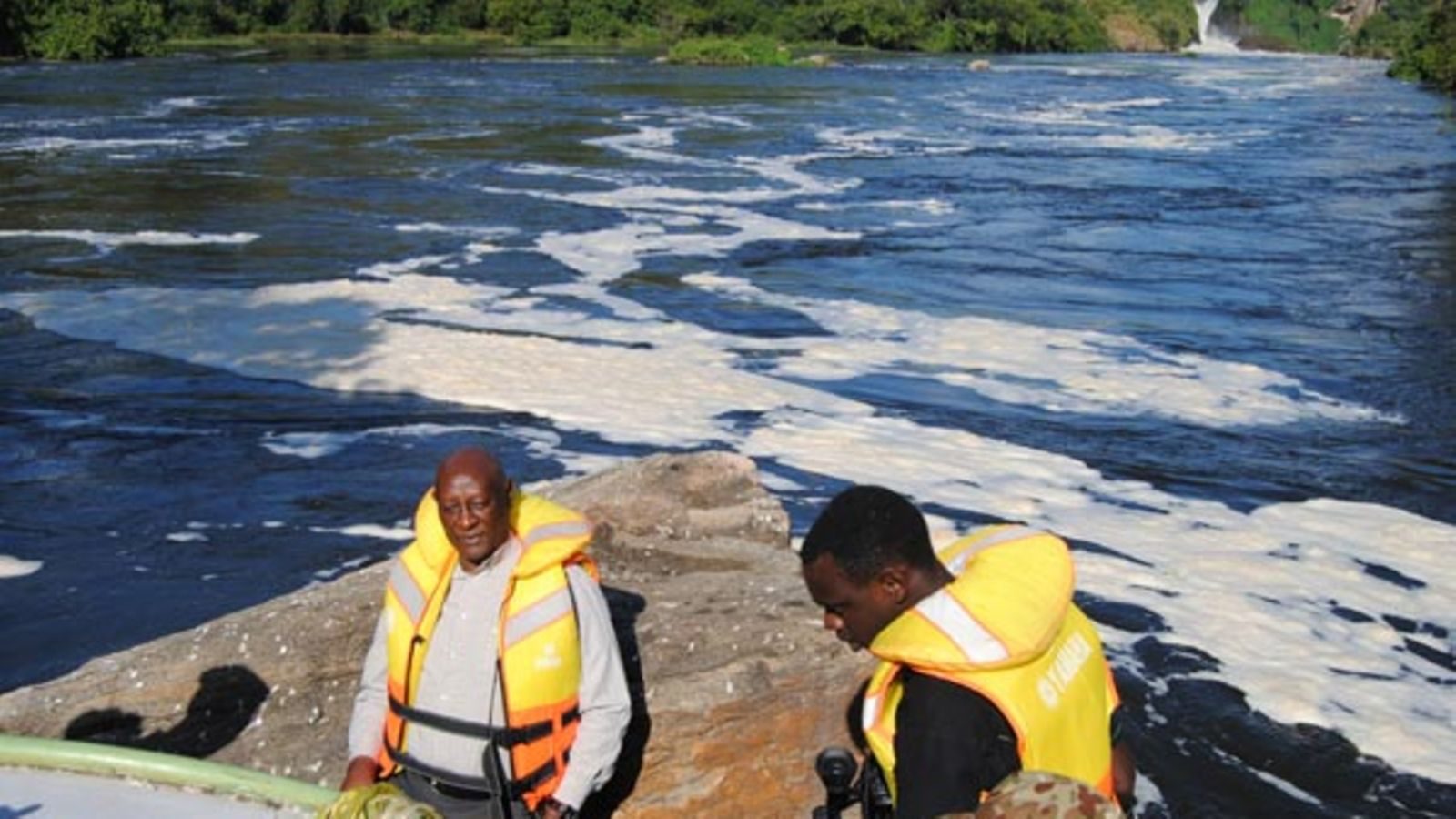
Nile Conservation
Nile Conservation
Nile Conservation: Safeguarding the Lifeblood of Africa
Introduction
The Nile River, the longest river in the world, is not just a geographical marvel but also a critical lifeline for millions of people across northeastern Africa. Spanning over 6,650 kilometers, the Nile traverses 11 countries, including Egypt, Sudan, Ethiopia, and Uganda, providing water, food, and energy to over 300 million people. However, the Nile River faces numerous threats, from climate change and pollution to over-extraction and political disputes over water rights. Nile conservation has become a pressing issue, not only for the countries that depend on it but also for the global community, as the river plays a crucial role in maintaining ecological balance and supporting biodiversity.
In this article, we will explore the importance of Nile conservation, the challenges it faces, and the strategies that can be employed to ensure its sustainability for future generations.
The Importance of the Nile River
The Nile River is often referred to as the “lifeblood of Africa” due to its critical role in supporting agriculture, industry, and human life. The river’s basin covers an area of approximately 3.4 million square kilometers, making it one of the most significant river systems in the world.
Key Benefits of the Nile River:
- Agriculture: The fertile lands along the Nile have supported agriculture for thousands of years. The annual flooding of the river deposits nutrient-rich silt, which has historically allowed civilizations like ancient Egypt to thrive.
- Water Supply: The Nile provides drinking water to millions of people in the region. In countries like Egypt and Sudan, where rainfall is scarce, the river is the primary source of freshwater.
- Energy: The Nile is a vital source of hydroelectric power. Dams like the Aswan High Dam in Egypt and the Grand Ethiopian Renaissance Dam (GERD) in Ethiopia harness the river’s flow to generate electricity.
- Biodiversity: The Nile Basin is home to a diverse range of ecosystems, including wetlands, forests, and savannas, which support a variety of plant and animal species.
Threats to the Nile River
Despite its importance, the Nile River faces numerous threats that jeopardize its ability to sustain the millions of people and ecosystems that depend on it.
1. Climate Change
One of the most significant threats to the Nile River is climate change. Rising temperatures and changing precipitation patterns are expected to reduce the river’s flow, leading to water shortages in the region. Additionally, the melting of glaciers in the Ethiopian Highlands, which feed the Blue Nile, could further exacerbate the situation.
2. Pollution
Pollution is another major concern for the Nile River. Industrial waste, agricultural runoff, and untreated sewage are frequently dumped into the river, contaminating the water and harming aquatic life. In Egypt, for example, the Nile is heavily polluted with chemicals and heavy metals, which pose serious health risks to the population.
3. Over-Extraction of Water
The over-extraction of water for agriculture, industry, and domestic use is putting immense pressure on the Nile River. In some areas, the river’s flow has been significantly reduced due to the diversion of water for irrigation and other purposes. This has led to the depletion of wetlands and the loss of biodiversity.
4. Political Disputes
The Nile River is a transboundary river, meaning it flows through multiple countries. This has led to political disputes over water rights and usage. The construction of the Grand Ethiopian Renaissance Dam (GERD) has been a source of tension between Ethiopia, Egypt, and Sudan, with Egypt fearing that the dam will reduce its water supply.
Strategies for Nile Conservation
To address the challenges facing the Nile River, a comprehensive approach to Nile conservation is needed. This includes both local and international efforts to protect the river and ensure its sustainability.
1. Sustainable Water Management
One of the most effective ways to conserve the Nile River is through sustainable water management practices. This includes reducing water waste, improving irrigation efficiency, and promoting the use of alternative water sources, such as desalination and rainwater harvesting.
2. Pollution Control
Efforts to reduce pollution in the Nile River are critical to its conservation. This can be achieved through stricter regulations on industrial waste and agricultural runoff, as well as the development of wastewater treatment facilities. Public awareness campaigns can also help reduce the amount of plastic and other waste that ends up in the river.
3. Climate Change Adaptation
Adapting to the impacts of climate change is essential for the long-term conservation of the Nile River. This includes implementing measures to mitigate the effects of droughts and floods, such as building reservoirs and improving water storage infrastructure. Additionally, efforts to reduce greenhouse gas emissions can help slow the pace of climate change and protect the river’s flow.
4. International Cooperation
Given that the Nile River flows through multiple countries, international cooperation is crucial for its conservation. Countries in the Nile Basin must work together to develop fair and equitable agreements on water usage, taking into account the needs of both upstream and downstream nations. Organizations like the Nile Basin Initiative play a key role in facilitating dialogue and cooperation between countries.
5. Protecting Biodiversity
Conserving the ecosystems and biodiversity of the Nile Basin is an important aspect of Nile conservation. This includes protecting wetlands, forests, and other habitats that support a wide range of plant and animal species. Efforts to combat deforestation and habitat destruction can help preserve the ecological balance of the region.
The Role of Technology in Nile Conservation
Technology can play a significant role in the conservation of the Nile River. From satellite monitoring to advanced water management systems, technological innovations can help improve the efficiency of water use and reduce the impact of human activities on the river.
Key Technological Solutions:
- Remote Sensing: Satellite technology can be used to monitor the health of the Nile River and track changes in water levels, pollution, and land use.
- Smart Irrigation Systems: These systems use sensors and data analytics to optimize water use in agriculture, reducing the amount of water needed for irrigation.
- Water Treatment Technologies: Advanced water treatment technologies can help remove pollutants from the river, ensuring that the water is safe for human consumption and aquatic life.
Conclusion
The Nile River is a vital resource for millions of people and ecosystems in northeastern Africa. However, it faces numerous threats, from climate change and pollution to over-extraction and political disputes. Nile conservation is essential to ensure the sustainability of the river and the well-being of the people and wildlife that depend on it. By adopting sustainable water management practices, reducing pollution, and fostering international cooperation, we can protect the Nile River for future generations.
FAQ
1. Why is the Nile River important?
The Nile River is important because it provides water, food, and energy to millions of people in northeastern Africa. It supports agriculture, industry, and human life, and is a vital source of biodiversity in the region.
2. What are the main threats to the Nile River?
The main threats to the Nile River include climate change, pollution, over-extraction of water, and political disputes over water rights.
3. How can we conserve the Nile River?
Conserving the Nile River requires sustainable water management practices, pollution control, climate change adaptation, international cooperation, and efforts to protect biodiversity.
4. What role does technology play in Nile conservation?
Technology can help conserve the Nile River through satellite monitoring, smart irrigation systems, and advanced water treatment technologies.
5. What is the Nile Basin Initiative?
The Nile Basin Initiative is an organization that promotes cooperation between the countries in the Nile Basin to ensure the sustainable management and development of the Nile River.