
Nile Flooding
Nile Flooding
The Impact of Nile Flooding: A Historical and Environmental Overview
The Nile River, the longest river in the world, has been a lifeline for civilizations for thousands of years. Its annual flooding has shaped the history, agriculture, and culture of the regions it flows through, particularly Egypt and Sudan. In this article, we will explore the historical significance of Nile flooding, its environmental impact, and how modern interventions have altered the natural cycle of this mighty river.
The Historical Importance of Nile Flooding
For ancient Egypt, the annual flooding of the Nile, known as the “Inundation,” was a crucial event. The floodwaters would deposit nutrient-rich silt on the banks of the river, making the surrounding land fertile for agriculture. This predictable flooding cycle allowed the ancient Egyptians to develop a sophisticated agricultural system, which in turn supported the growth of one of the most advanced civilizations of its time.
The Inundation: A Gift from the Gods
In ancient Egyptian culture, the Nile’s flooding was seen as a divine gift. The god Hapi was believed to control the river’s waters, and the annual flood was celebrated as a time of renewal and abundance. The Egyptians even developed a calendar based on the flooding cycle, dividing the year into three seasons: Akhet (flooding), Peret (growing), and Shemu (harvest).
Agricultural Benefits of Nile Flooding
The fertile soil deposited by the floodwaters allowed the Egyptians to grow crops such as wheat, barley, and flax. These crops were not only essential for feeding the population but also played a key role in trade and the economy. The surplus of food produced by this agricultural system enabled the development of cities, the construction of monumental architecture, and the growth of a complex society.
The Environmental Impact of Nile Flooding
While the annual flooding of the Nile was beneficial for agriculture, it also had significant environmental consequences. The floodwaters would replenish the soil with nutrients, but they could also cause damage to settlements and infrastructure if the floods were too severe.
Positive Environmental Effects
- Soil Fertility: The silt deposited by the Nile’s floodwaters was rich in nutrients, making the land around the river highly fertile. This allowed for the cultivation of crops and the development of a stable food supply.
- Water Supply: The floodwaters provided a reliable source of water for irrigation, ensuring that crops could be grown even in the arid climate of Egypt.
- Biodiversity: The Nile’s floodplains supported a diverse range of plant and animal life, contributing to the overall health of the ecosystem.
Negative Environmental Effects
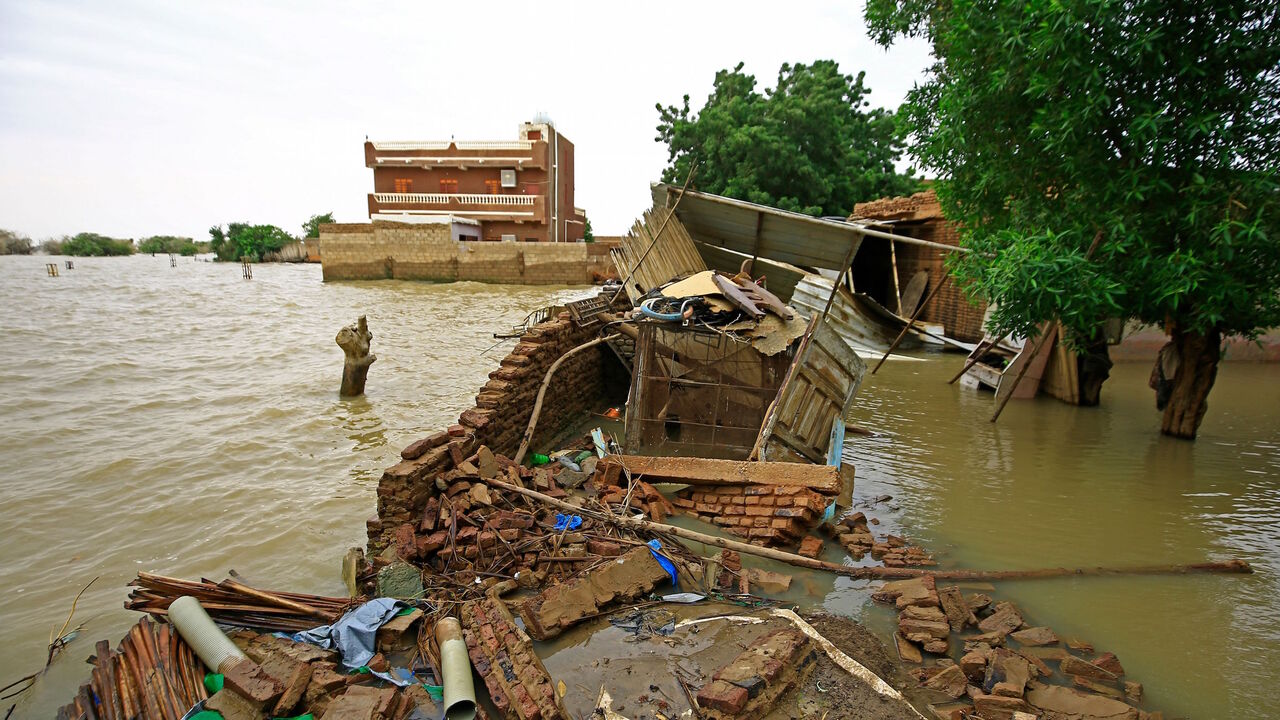
- Flood Damage: In years when the floods were particularly severe, they could cause significant damage to homes, infrastructure, and farmland. This would lead to food shortages and economic hardship.
- Erosion: Over time, the constant flooding and receding of the river could lead to erosion of the riverbanks, altering the landscape and potentially displacing communities.
Modern Interventions and Their Impact
In the 20th century, the construction of the Aswan High Dam dramatically altered the natural flooding cycle of the Nile. While the dam has provided numerous benefits, such as hydroelectric power and improved irrigation, it has also had significant environmental and social consequences.
The Aswan High Dam: A Double-Edged Sword
The Aswan High Dam, completed in 1970, was built to control the Nile’s flooding and provide a more stable water supply for agriculture and industry. However, by preventing the annual floods, the dam has disrupted the natural deposition of silt, leading to a decline in soil fertility in the Nile Delta.
Benefits of the Aswan High Dam
- Flood Control: The dam has prevented the devastating floods that occasionally occurred, protecting communities and infrastructure.
- Hydroelectric Power: The dam generates a significant amount of electricity, contributing to Egypt’s energy supply.
- Irrigation: The dam has allowed for more consistent irrigation, enabling the cultivation of crops year-round.
Drawbacks of the Aswan High Dam
- Soil Degradation: Without the annual deposition of silt, the soil in the Nile Delta has become less fertile, requiring the use of chemical fertilizers to maintain crop yields.
- Ecosystem Disruption: The dam has altered the natural flow of the river, affecting the ecosystems that rely on the seasonal flooding.
- Displacement: The construction of the dam led to the displacement of thousands of people, particularly the Nubian communities who lived along the river.
The Future of Nile Flooding and Water Management
As climate change continues to affect global weather patterns, the future of the Nile and its flooding cycle remains uncertain. Rising temperatures and changing precipitation patterns could lead to more extreme floods or droughts, further complicating water management in the region.
Climate Change and the Nile
- Increased Flood Risk: Climate models suggest that the frequency and intensity of floods in the Nile Basin could increase due to more extreme weather events.
- Water Scarcity: Conversely, prolonged droughts could reduce the flow of the Nile, exacerbating water scarcity in an already arid region.
- International Tensions: The Nile is shared by multiple countries, and disputes over water rights could intensify as the river’s flow becomes less predictable.
Sustainable Water Management Solutions
To address these challenges, governments and organizations in the Nile Basin are exploring sustainable water management solutions, including:
- Improved Irrigation Techniques: Using more efficient irrigation methods to reduce water waste and ensure that crops receive the necessary amount of water.
- Water Recycling: Implementing systems to recycle wastewater for agricultural and industrial use.
- International Cooperation: Strengthening cooperation between the countries that share the Nile to ensure equitable distribution of the river’s resources.
Conclusion
The Nile River has played a central role in shaping the history and environment of the regions it flows through. While the annual flooding of the Nile was once a vital part of life in ancient Egypt, modern interventions such as the Aswan High Dam have altered the natural cycle of the river. As climate change continues to impact the Nile Basin, sustainable water management will be crucial to ensuring the long-term health of the river and the communities that depend on it.
FAQ
1. What was the significance of the Nile’s annual flooding in ancient Egypt?
The annual flooding of the Nile, known as the “Inundation,” was crucial for agriculture in ancient Egypt. It deposited nutrient-rich silt on the riverbanks, making the land fertile for growing crops.
2. How did the Aswan High Dam affect the Nile’s flooding cycle?
The Aswan High Dam, completed in 1970, prevented the annual flooding of the Nile. While this has provided benefits such as flood control and hydroelectric power, it has also led to soil degradation and ecosystem disruption.
3. What are the environmental impacts of Nile flooding?
Nile flooding has both positive and negative environmental impacts. On the positive side, it replenishes soil fertility and supports biodiversity. However, severe floods can cause damage to infrastructure and lead to erosion.
4. How is climate change affecting the Nile River?
Climate change is expected to increase the frequency and intensity of extreme weather events in the Nile Basin, leading to both increased flood risk and prolonged droughts. This could complicate water management in the region.
5. What are some sustainable water management solutions for the Nile?
Sustainable water management solutions for the Nile include improved irrigation techniques, water recycling, and increased international cooperation to ensure equitable distribution of the river’s resources.