
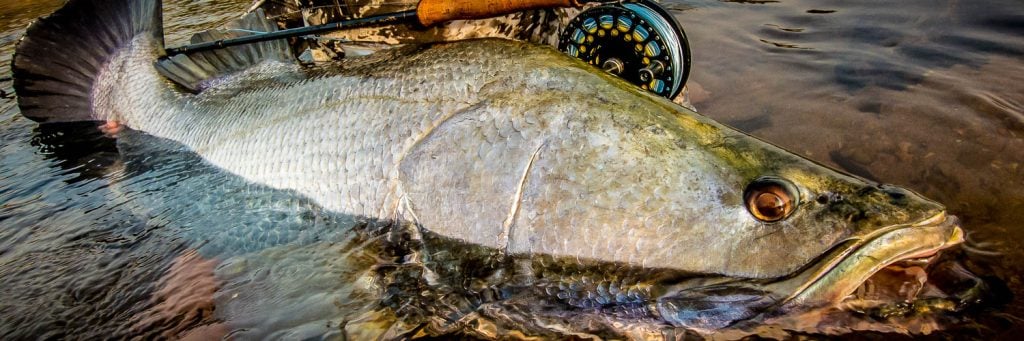
Nile Perch
A Comprehensive Guide to an Invasive Species
Introduction
The Nile perch (Lates niloticus) is a large freshwater fish native to the rivers and lakes of Africa. It has gained notoriety for its introduction into non-native ecosystems, particularly Lake Victoria, where it has had a profound impact on local biodiversity. This article will explore the biology, history, and ecological consequences of the Nile perch, as well as its economic importance and the ongoing efforts to manage its population.
The Biology of the Nile Perch
Physical Characteristics
The Nile perch is a large predatory fish that can grow up to 2 meters in length and weigh over 200 kilograms. Its body is elongated, with a silvery color and a bluish sheen. It has a large mouth, equipped with sharp teeth, making it a formidable predator in its habitat.
Habitat and Distribution
Originally found in the Nile River and other African freshwater systems, the Nile perch has been introduced to various lakes and rivers across the continent. It thrives in tropical freshwater environments, particularly in large lakes like Lake Victoria, Lake Albert, and Lake Turkana.
Diet and Predatory Behavior
The Nile perch is a carnivorous species, feeding on smaller fish, crustaceans, and insects. Its introduction into new ecosystems has often led to the decline or extinction of native fish species, as it competes for food and preys on them. In Lake Victoria, for example, the Nile perch has been responsible for the drastic reduction of cichlid populations, which were once the dominant species in the lake.
The Introduction of Nile Perch to Lake Victoria
Historical Context
The introduction of the Nile perch to Lake Victoria in the 1950s was intended to boost the local fishing industry. At the time, the lake’s native fish populations were considered insufficient to meet the growing demand for food. The introduction of the Nile perch was seen as a solution to this problem, as the species is known for its rapid growth and large size.
Ecological Impact
While the introduction of the Nile perch initially led to a boom in the fishing industry, it also had devastating consequences for the lake’s ecosystem. The Nile perch quickly became the dominant predator, leading to the extinction of many native fish species, particularly haplochromine cichlids. This loss of biodiversity has had far-reaching effects on the lake’s food web and overall ecological health.
Economic Consequences
Despite its negative impact on biodiversity, the Nile perch has become an important economic resource for the region. The fish is highly valued for its meat, which is exported to international markets. The Nile perch fishing industry provides livelihoods for thousands of people in the Lake Victoria region, contributing significantly to the local economy.
The Nile Perch Fishing Industry
Commercial Fishing
The Nile perch is a major target for commercial fishing operations in East Africa. The fish is processed and exported to markets in Europe, the Middle East, and Asia, where it is prized for its white, flaky meat. The fishing industry around Lake Victoria is one of the largest in Africa, with Nile perch accounting for a significant portion of the catch.
Challenges Facing the Industry
While the Nile perch industry has brought economic benefits to the region, it also faces several challenges. Overfishing is a major concern, as the demand for Nile perch continues to grow. Additionally, the loss of biodiversity in Lake Victoria has made the ecosystem more vulnerable to environmental changes, such as pollution and climate change.
Sustainable Fishing Practices
Efforts are being made to promote sustainable fishing practices in the Nile perch industry. These include the establishment of fishing quotas, the creation of marine protected areas, and the promotion of alternative livelihoods for local communities. However, enforcing these measures remains a challenge, particularly in regions where poverty and unemployment are high.
Ecological and Environmental Concerns
Loss of Biodiversity
The most significant ecological consequence of the Nile perch’s introduction to Lake Victoria has been the loss of biodiversity. The lake was once home to over 500 species of cichlids, many of which were endemic to the region. Today, many of these species are either extinct or critically endangered due to predation by the Nile perch.
Changes to the Food Web
The introduction of the Nile perch has also led to significant changes in the lake’s food web. As native fish populations have declined, the Nile perch has had to adapt its diet, feeding on other species and even resorting to cannibalism in some cases. This has further disrupted the balance of the ecosystem, leading to a decline in water quality and an increase in algal blooms.
Invasive Species Management
Managing the population of an invasive species like the Nile perch is a complex task. Various strategies have been proposed, including the introduction of biological controls, such as predators or diseases that specifically target the Nile perch. However, these methods carry their own risks and must be carefully evaluated before implementation.
The Future of the Nile Perch
Conservation Efforts
Efforts to conserve the remaining biodiversity in Lake Victoria are ongoing. These include the establishment of fish breeding programs, the restoration of native fish populations, and the promotion of sustainable fishing practices. However, the success of these efforts will depend on the cooperation of local communities, governments, and international organizations.
The Role of Education and Awareness
Raising awareness about the ecological impact of the Nile perch is crucial to the success of conservation efforts. Many people in the region rely on the Nile perch for their livelihoods, and convincing them to adopt more sustainable practices will require education and support. Programs that teach local communities about the importance of biodiversity and the long-term benefits of conservation are essential.
Potential for Ecotourism
One potential solution to the economic challenges posed by the decline of native fish populations is the development of ecotourism in the Lake Victoria region. By promoting the lake’s unique biodiversity and natural beauty, local communities could generate income from tourism while also protecting the environment.
Conclusion
The Nile perch is a species that has had a profound impact on the ecosystems it inhabits. While it has brought economic benefits to the Lake Victoria region, it has also caused significant ecological damage. The challenge moving forward will be to find a balance between the economic needs of local communities and the conservation of the lake’s biodiversity. Through sustainable fishing practices, conservation efforts, and education, it may be possible to mitigate the negative effects of the Nile perch and protect the future of Lake Victoria’s ecosystem.
FAQ
1. What is the Nile perch?
The Nile perch (Lates niloticus) is a large freshwater fish native to Africa. It is known for its size and predatory behavior, and it has been introduced to various non-native ecosystems, where it has had significant ecological impacts.
2. Why was the Nile perch introduced to Lake Victoria?
It was introduced to Lake Victoria in the 1950s to boost the local fishing industry. At the time, the lake’s native fish populations were considered insufficient to meet the growing demand for food.
3. What are the ecological consequences of the Nile perch’s introduction?
The introduction has led to the extinction of many native fish species, particularly cichlids, and has disrupted the lake’s food web. This has resulted in a loss of biodiversity and changes to the ecosystem’s balance.
4. How has the Nile perch affected the local economy?
The fishing industry has become a major economic resource for the Lake Victoria region. The fish is exported to international markets, providing livelihoods for thousands of people. However, overfishing and environmental degradation pose challenges to the industry’s sustainability.
5. What efforts are being made to manage the Nile perch population?
Efforts to manage the population include the promotion of sustainable fishing practices, the establishment of marine protected areas, and the restoration of native fish populations. Conservation programs and education initiatives are also being implemented to raise awareness of the ecological impact of the Nile perch.
By understanding the complex interplay between the Nile perch, local ecosystems, and human communities, we can work towards a more sustainable future for both the species and the environments it inhabits.