
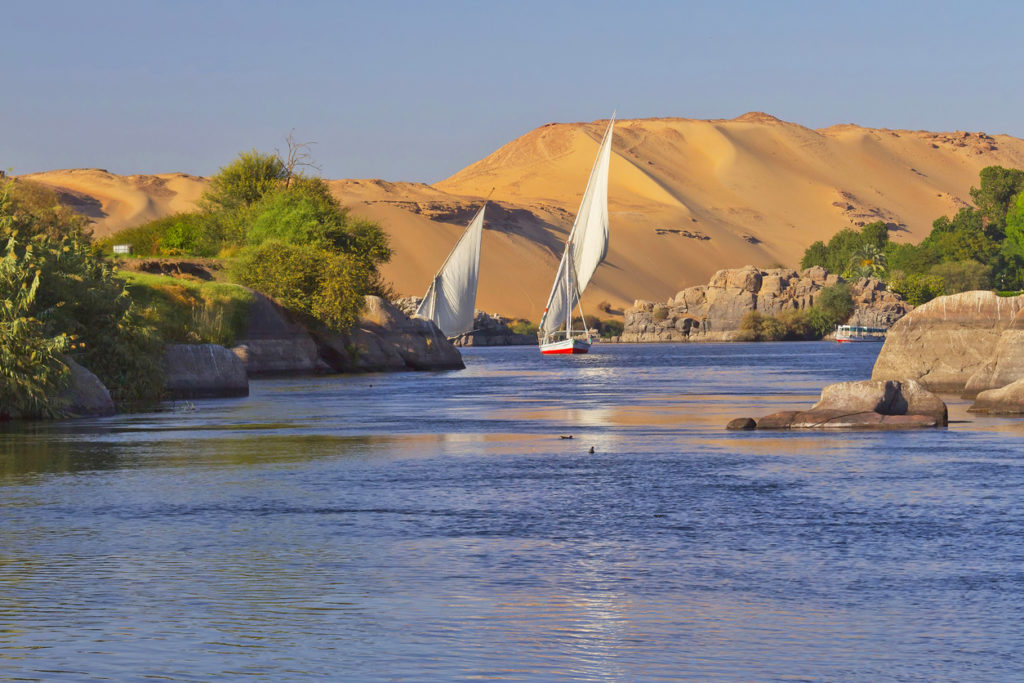
Nile Valley
Nile Valley
The Enigmatic Nile Valley: A Journey Through Time and Civilization
Introduction to the Nile Valley
The Nile Valley, a cradle of ancient civilization, is a region that has fascinated historians, archaeologists, and travelers for centuries. Stretching over 4,100 miles, the Nile River is the longest river in the world, flowing through eleven countries in northeastern Africa. The valley it carves through the arid landscape is not just a geographical feature but a testament to the ingenuity and resilience of human civilization.
The Historical Significance of the Nile Valley
The Birthplace of Ancient Egypt
The Nile Valley is synonymous with the rise of Ancient Egypt, one of the most remarkable civilizations in human history. The river’s annual flooding deposited nutrient-rich silt along its banks, creating fertile land that supported agriculture and the growth of complex societies. This abundance of resources allowed the Egyptians to build monumental structures, develop a sophisticated writing system, and establish a powerful empire.
The Role of the Nile in Egyptian Society
The Nile was more than just a source of sustenance; it was the lifeblood of Egyptian society. It influenced every aspect of life, from agriculture and transportation to religion and culture. The river was revered as a divine entity, and its predictable flooding was seen as a blessing from the gods. The Egyptians developed an intricate calendar system based on the Nile’s cycles, which helped them plan agricultural activities and religious festivals.
The Geography of the Nile Valley
The Upper and Lower Nile
The Nile Valley is traditionally divided into two regions: the Upper Nile and the Lower Nile. The Upper Nile, located in the south, is characterized by narrow gorges and rocky terrain, while the Lower Nile, in the north, features a broad floodplain and the famous Nile Delta. This division played a crucial role in the development of distinct cultural and political entities within ancient Egypt.
The Nile Delta: A Fertile Crescent
The Nile Delta is one of the most fertile regions in the world, thanks to the river’s sediment deposits. This triangular area of land, where the Nile meets the Mediterranean Sea, has been a hub of human activity for millennia. The delta’s rich soil supported extensive agriculture, allowing ancient Egyptians to cultivate crops such as wheat, barley, and flax.
The Cultural Legacy of the Nile Valley
The Pyramids and Temples
The architectural achievements of the Nile Valley are among the most iconic symbols of ancient Egypt. The pyramids of Giza, the temples of Karnak and Luxor, and the tombs of the Valley of the Kings are testaments to the skill and ambition of Egyptian builders. These structures were not only feats of engineering but also expressions of religious devotion and political power.
Art and Hieroglyphics
The art and writing of the Nile Valley are equally impressive. Egyptian artists created stunning works of art, from intricate jewelry and pottery to grandiose statues and murals. The development of hieroglyphics, a complex system of writing using pictorial symbols, allowed Egyptians to record their history, beliefs, and daily life in exquisite detail.
The Modern Nile Valley
Contemporary Challenges
Today, the Nile Valley faces numerous challenges, including population growth, environmental degradation, and political tensions. The river remains a vital resource for millions of people, providing water for drinking, agriculture, and industry. However, the demands on the Nile’s resources have led to conflicts among the countries that share its waters.
Efforts for Sustainable Development
Efforts are underway to address these challenges and promote sustainable development in the Nile Valley. Initiatives such as the Nile Basin Initiative aim to foster cooperation among riparian countries and ensure the equitable use of the river’s resources. Additionally, projects focused on improving water management, agriculture, and infrastructure are helping to secure a brighter future for the region.
Conclusion
The Nile Valley is a region of unparalleled historical and cultural significance. Its legacy as the cradle of ancient Egyptian civilization continues to captivate the imagination of people around the world. As we look to the future, it is essential to preserve the valley’s rich heritage while addressing the challenges it faces in the modern era.
FAQ
What is the significance of the Nile River?
The Nile River is the longest river in the world and has been a vital source of sustenance for civilizations in northeastern Africa for thousands of years. It played a crucial role in the development of ancient Egypt, providing water, fertile land, and a means of transportation.
How did the Nile influence ancient Egyptian society?
The Nile influenced every aspect of ancient Egyptian society, from agriculture and transportation to religion and culture. Its predictable flooding allowed for the development of a sophisticated agricultural system, while its importance in religious beliefs led to its reverence as a divine entity.
What are some of the architectural achievements of the Nile Valley?
The Nile Valley is home to some of the most iconic architectural achievements of ancient Egypt, including the pyramids of Giza, the temples of Karnak and Luxor, and the tombs of the Valley of the Kings. These structures are testaments to the skill and ambition of Egyptian builders.
What challenges does the Nile Valley face today?
The Nile Valley faces numerous challenges, including population growth, environmental degradation, and political tensions over the use of the river’s resources. Efforts are underway to promote sustainable development and ensure the equitable use of the Nile’s waters.
How is the Nile Valley being preserved for future generations?
Efforts to preserve the Nile Valley for future generations include initiatives such as the Nile Basin Initiative, which fosters cooperation among riparian countries. Projects focused on improving water management, agriculture, and infrastructure are also helping to secure a sustainable future for the region.