
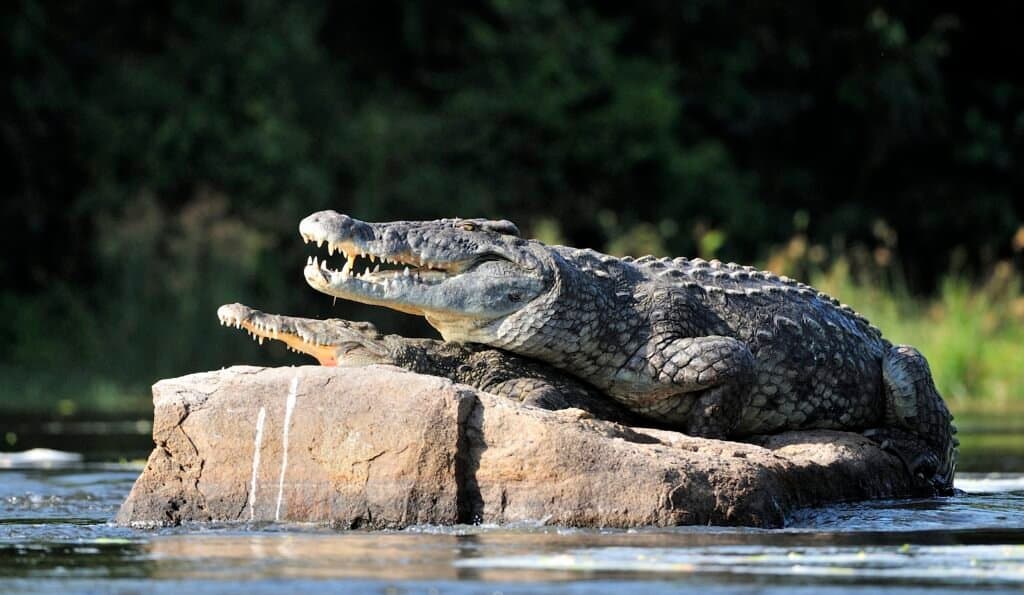
Nile Wildlife
Nile Wildlife
Nile Wildlife: A Comprehensive Guide to the Biodiversity of the Nile River
The Nile River, often referred to as the “lifeblood” of Africa, is not only the longest river in the world but also a thriving ecosystem that supports a wide variety of wildlife. Flowing through 11 countries, including Egypt, Sudan, Uganda, and Ethiopia, the Nile provides a sanctuary for an incredible diversity of species, from aquatic creatures to birds and mammals. This article will explore the rich biodiversity of the Nile, focusing on the unique species that call this river home, their habitats, and the ecological significance of the Nile’s wildlife.
The Importance of the Nile River Ecosystem
The Nile River is more than just a waterway; it is a vital ecosystem that sustains both wildlife and human populations. The river’s floodplains, wetlands, and deltas create a variety of habitats that support a rich array of species. These habitats are essential for the survival of many animals, including some that are endemic to the region.
Key Habitats Along the Nile
- Wetlands: The Nile’s wetlands are crucial for many species, especially birds and amphibians. These areas provide breeding grounds and feeding sites for a wide range of animals.
- Floodplains: The seasonal flooding of the Nile creates fertile floodplains that support both agriculture and wildlife. These areas are home to many herbivores, which in turn attract predators.
- Deltas: The Nile Delta, located in northern Egypt, is one of the most productive ecosystems in the region. It supports a variety of fish species, as well as birds and mammals.
Iconic Species of the Nile
The Nile River is home to some of the most iconic and fascinating species in Africa. From the massive Nile crocodile to the graceful African fish eagle, the river’s wildlife is as diverse as it is remarkable.
Nile Crocodile
The Nile crocodile (Crocodylus niloticus) is one of the largest and most fearsome predators in Africa. These reptiles can grow up to 20 feet in length and weigh over 1,500 pounds. They are apex predators, feeding on a variety of prey, including fish, birds, and mammals. The Nile crocodile plays a crucial role in maintaining the balance of the ecosystem by controlling the population of other species.
Hippopotamus
The hippopotamus (Hippopotamus amphibius) is another iconic species of the Nile. These massive herbivores spend much of their time in the water, where they are well-adapted to life in the river. Despite their bulky appearance, hippos are excellent swimmers and can hold their breath for several minutes while submerged. They play an important role in the ecosystem by grazing on vegetation, which helps to maintain the balance of plant life in the river.
African Fish Eagle
The African fish eagle (Haliaeetus vocifer) is a striking bird of prey that is often seen soaring above the Nile in search of fish. With its distinctive white head and powerful talons, the African fish eagle is a skilled hunter and a symbol of the Nile’s rich biodiversity. These birds are often found near large bodies of water, where they can easily catch fish, their primary food source.
Nile Monitor Lizard
The Nile monitor lizard (Varanus niloticus) is one of the largest lizards in Africa, growing up to 7 feet in length. These reptiles are highly adaptable and can be found in a variety of habitats along the Nile, from wetlands to savannas. Nile monitors are opportunistic feeders, preying on a wide range of animals, including fish, birds, and small mammals.
African Softshell Turtle
The African softshell turtle (Trionyx triunguis) is a unique species of turtle that inhabits the Nile River. Unlike most turtles, the African softshell has a leathery shell rather than a hard one. These turtles are excellent swimmers and spend much of their time in the water, where they feed on fish, insects, and other aquatic animals.
Aquatic Life in the Nile
The Nile River is home to a diverse array of aquatic species, including many types of fish, amphibians, and invertebrates. These species are crucial to the health of the ecosystem, as they provide food for larger animals and help to maintain the balance of the river’s food web.
Fish Species
The Nile is home to over 100 species of fish, many of which are important both ecologically and economically. Some of the most notable fish species in the Nile include:
- Nile perch (Lates niloticus): A large predatory fish that is highly prized by fishermen.
- Tilapia (Oreochromis niloticus): A popular fish for both commercial and subsistence fishing.
- Catfish (Clarias gariepinus): A bottom-dwelling fish that is common throughout the Nile.
Amphibians
Amphibians are an important part of the Nile’s ecosystem, as they help to control insect populations and provide food for larger animals. Some of the most common amphibians in the Nile include:
- African bullfrog (Pyxicephalus adspersus): A large frog that is known for its loud calls and aggressive behavior.
- Nile toad (Amietophrynus regularis): A common toad that is often found near water.
Birds of the Nile
The Nile River is a haven for birdwatchers, as it is home to a wide variety of bird species. Many of these birds are migratory, using the Nile as a stopover point on their long journeys between Europe and Africa.
Common Bird Species
- Great white pelican (Pelecanus onocrotalus): A large bird that is often seen in large flocks near the Nile’s wetlands.
- Grey heron (Ardea cinerea): A tall, elegant bird that is commonly found along the river’s banks.
- Sacred ibis (Threskiornis aethiopicus): A bird that was considered sacred in ancient Egypt and is still a common sight along the Nile today.
Threats to Nile Wildlife
Despite its rich biodiversity, the Nile River faces numerous threats that endanger its wildlife. Habitat loss, pollution, and overfishing are just a few of the challenges that the river’s ecosystem must contend with.
Habitat Loss
As human populations along the Nile continue to grow, many of the river’s natural habitats are being destroyed to make way for agriculture, infrastructure, and urban development. This loss of habitat is particularly devastating for species that rely on specific environments, such as wetlands and floodplains.
Pollution
Pollution is another major threat to the Nile’s wildlife. Industrial waste, agricultural runoff, and untreated sewage all contribute to the degradation of the river’s water quality. This pollution can have serious consequences for both aquatic and terrestrial species, as it contaminates their food and water sources.
Overfishing
Overfishing is a significant problem in the Nile, particularly for species such as the Nile perch and tilapia. Unsustainable fishing practices can lead to the depletion of fish populations, which in turn affects the entire ecosystem.
Conservation Efforts
Despite the challenges facing the Nile River and its wildlife, there are several conservation efforts underway to protect this vital ecosystem. These efforts include habitat restoration, pollution control, and sustainable fishing practices.
Habitat Restoration
Many organizations are working to restore the Nile’s natural habitats, particularly its wetlands and floodplains. These restoration efforts are crucial for the survival of many species, as they provide essential breeding and feeding grounds.
Pollution Control
Efforts to reduce pollution in the Nile include stricter regulations on industrial waste and agricultural runoff, as well as initiatives to improve sewage treatment facilities. These measures are essential for maintaining the health of the river’s ecosystem.
Sustainable Fishing Practices
Promoting sustainable fishing practices is another important aspect of conserving the Nile’s wildlife. By implementing regulations on fishing methods and catch limits, it is possible to ensure that fish populations remain healthy and that the ecosystem remains balanced.
FAQ: Nile Wildlife
1. What are the most iconic animals found in the Nile?
The Nile crocodile, hippopotamus, and African fish eagle are some of the most iconic animals found in the Nile. These species play important roles in the river’s ecosystem.
2. Why is the Nile River important for wildlife?
The Nile River provides a variety of habitats, including wetlands, floodplains, and deltas, which support a rich diversity of species. It is a vital ecosystem for both aquatic and terrestrial animals.
3. What threats do Nile wildlife face?
Nile wildlife faces several threats, including habitat loss, pollution, and overfishing. These threats can lead to the decline of species and the degradation of the ecosystem.
4. How can we protect the wildlife of the Nile?
Protecting Nile wildlife requires efforts such as habitat restoration, pollution control, and the promotion of sustainable fishing practices. Conservation organizations are working to implement these measures.
5. What fish species are common in the Nile?
Common fish species in the Nile include the Nile perch, tilapia, and catfish. These species are important both ecologically and economically.