
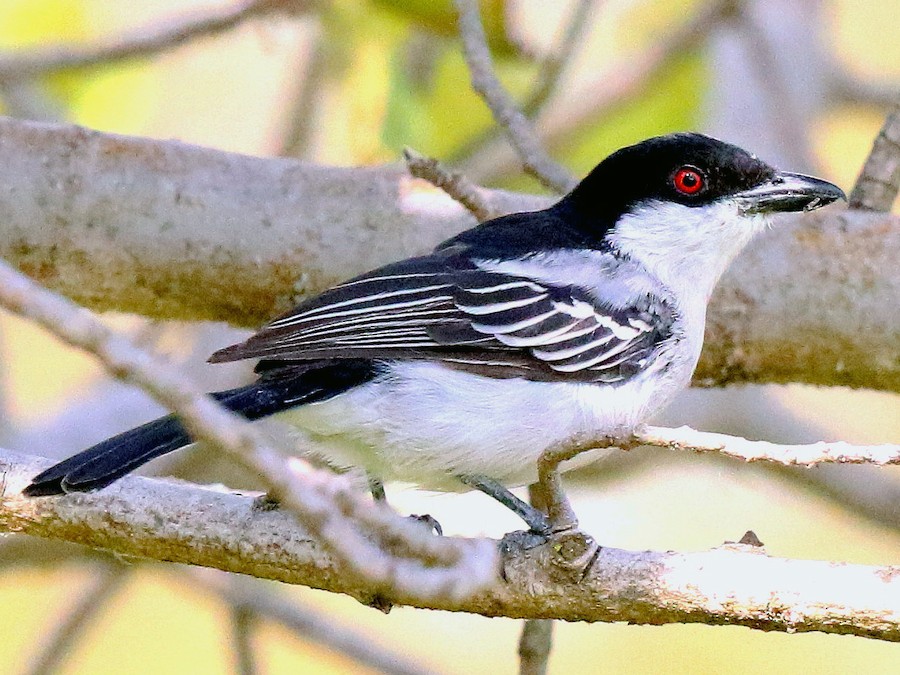
Northern Puffback
Northern Puffback
The Northern Puffback: A Comprehensive Guide to One of Africa’s Most Enigmatic Songbirds
Introduction
The African continent is a treasure trove of avian diversity, and among its most intriguing inhabitants is the Northern Puffback (Dryoscopus gambensis). Known for its striking plumage, distinctive vocalizations, and elusive behavior, this bird has captivated ornithologists and birdwatchers alike. In this in-depth guide, we will explore every facet of the Northern Puffback, from its taxonomy and habitat to its behavior and conservation status.
Taxonomy and Classification
The Northern Puffback belongs to the family Malaconotidae, commonly referred to as bushshrikes. This family is known for its predatory behavior and melodious calls. The scientific name of the Northern Puffback is Dryoscopus gambensis, and it is one of several species within the genus Dryoscopus.
Taxonomic Hierarchy:
- Kingdom: Animalia
- Phylum: Chordata
- Class: Aves
- Order: Passeriformes
- Family: Malaconotidae
- Genus: Dryoscopus
- Species: D. gambensis
This species is closely related to the Southern Puffback (Dryoscopus cubla), but differs in range, vocalization, and subtle morphological features.
Physical Characteristics
The Northern Puffback is a small to medium-sized passerine bird, measuring approximately 16–18 cm in length. It exhibits a distinctive black-and-white plumage that makes it relatively easy to identify in the field.
Key Features:
- Head and Back: Glossy black with a slight bluish sheen
- Underparts: Pure white, providing a stark contrast to the dark upperparts
- Eyes: Bright red, a striking feature against its dark head
- Tail: Black with white outer feathers
- Bill: Strong, slightly hooked, adapted for insectivory
Males and females are similar in appearance, although males may display slightly more pronounced coloration during the breeding season.
Habitat and Distribution
The Northern Puffback is predominantly found in sub-Saharan Africa, with its range extending across West and Central Africa. It inhabits a variety of ecosystems, showcasing its adaptability.
Geographic Range:
- West Africa: Senegal, Gambia, Guinea, Sierra Leone
- Central Africa: Cameroon, Central African Republic, Democratic Republic of Congo
- Eastward Extent: Western parts of Uganda and South Sudan
Preferred Habitats:
- Woodlands
- Savannahs
- Forest edges
- Riverine forests
- Secondary growth areas
This bird is notably absent from dense tropical rainforests and arid desert regions, preferring semi-open habitats where it can forage and nest effectively.
Behavior and Social Structure
The Northern Puffback is generally solitary or found in pairs, especially during the breeding season. It is a territorial species, often seen defending its area through vocal displays and physical posturing.
Behavioral Traits:
- Territoriality: Males are particularly aggressive in defending their territory
- Puffing Display: During courtship or territorial disputes, the bird fluffs up its back feathers, giving rise to the name “Puffback”
- Foraging: Active and agile, often seen hopping between branches in search of prey
This bird is diurnal and spends most of its day foraging, preening, and vocalizing.
Diet and Feeding Habits
Primarily insectivorous, the Northern Puffback plays a vital role in controlling insect populations within its habitat.
Common Prey Items:
- Beetles
- Grasshoppers
- Caterpillars
- Spiders
- Termites
Occasionally, it may also consume small vertebrates or fruits, particularly during times of food scarcity.
Foraging Techniques:
- Gleaning: Picking insects off leaves and branches
- Hovering: Briefly hovering to snatch prey from foliage
- Sallying: Darting out from a perch to catch flying insects
This diverse feeding strategy enhances its adaptability to various environments.
Breeding and Reproduction
Breeding in the Northern Puffback is closely tied to the rainy season, which ensures an abundance of food for the young.
Breeding Season:
- Varies by region but generally aligns with the onset of rains
Nesting:
- Nest Type: Cup-shaped, built from twigs, grass, and spider webs
- Location: Typically placed in the fork of a tree or shrub
- Clutch Size: 2–3 eggs
- Incubation Period: Approximately 14–16 days
- Fledging: Chicks leave the nest about 2 weeks after hatching
Both parents participate in feeding and caring for the young, showcasing a strong pair bond.
Vocalizations and Communication
The Northern Puffback is renowned for its rich and varied vocal repertoire. Its calls are not only used for communication but also play a crucial role in territory defense and mate attraction.
Common Calls:
- Whistles: High-pitched, melodious notes
- Churring Sounds: Used during aggressive encounters
- Duets: Mated pairs often engage in synchronized calling
These vocalizations are often the first clue to the bird’s presence, especially in dense foliage.
Conservation Status
According to the IUCN Red List, the Northern Puffback is currently listed as a species of “Least Concern.” However, localized threats exist.
Threats:
- Habitat Loss: Due to deforestation and agricultural expansion
- Climate Change: Altering the availability of prey and nesting sites
- Human Disturbance: Especially in peri-urban areas
Conservation Measures:
- Protected areas and national parks
- Community-based conservation initiatives
- Environmental education programs
Maintaining healthy populations of this species is essential for ecological balance and biodiversity.
Ecological Importance
The Northern Puffback is more than just a beautiful bird; it is a vital component of its ecosystem.
Ecological Roles:
- Insect Control: Helps regulate pest populations
- Seed Dispersal: Through occasional frugivory
- Indicator Species: Its presence reflects the health of woodland and savannah ecosystems
By studying this bird, scientists gain insights into broader ecological dynamics and environmental health.
How to Spot a Northern Puffback
For birdwatchers and nature lovers, spotting a Northern Puffback can be a rewarding experience.
Tips for Identification:
- Listen First: Learn its calls to detect its presence
- Look for Movement: It often flits through the mid-canopy
- Use Binoculars: Its contrasting plumage is easy to spot with the right equipment
Best Times to Observe:
- Early Morning: Peak vocal activity
- Breeding Season: Increased visibility due to courtship displays
Recommended Locations:
- Kakum National Park (Ghana)
- Korup National Park (Cameroon)
- Gola Rainforest (Sierra Leone)
FAQs
1. What is the difference between the Northern and Southern Puffback?
The primary differences lie in their geographic range, vocalizations, and slight variations in plumage. The Southern Puffback is found further south and has a different song pattern.
2. Is the Northern Puffback a migratory bird?
No, it is a resident species, although it may make short-distance movements in response to seasonal changes in food availability.
3. Can the Northern Puffback be kept as a pet?
No. It is a wild bird protected under various national and international laws. Capturing or keeping it as a pet is illegal and unethical.
4. What is the lifespan of a Northern Puffback?
In the wild, it can live up to 8–10 years, although this varies depending on environmental conditions and predation.
5. How can I help in conserving the Northern Puffback?
Support local conservation organizations, avoid buying products linked to deforestation, and promote awareness about the importance of biodiversity.
Conclusion
The Northern Puffback is a captivating species that embodies the rich avian diversity of Africa. From its elegant plumage and complex vocalizations to its ecological significance, this bird is a symbol of the intricate balance of nature. By understanding and protecting the Northern Puffback, we contribute to the preservation of the ecosystems it inhabits.
For more information on African birds, visit BirdLife International or explore the IUCN Red List.