
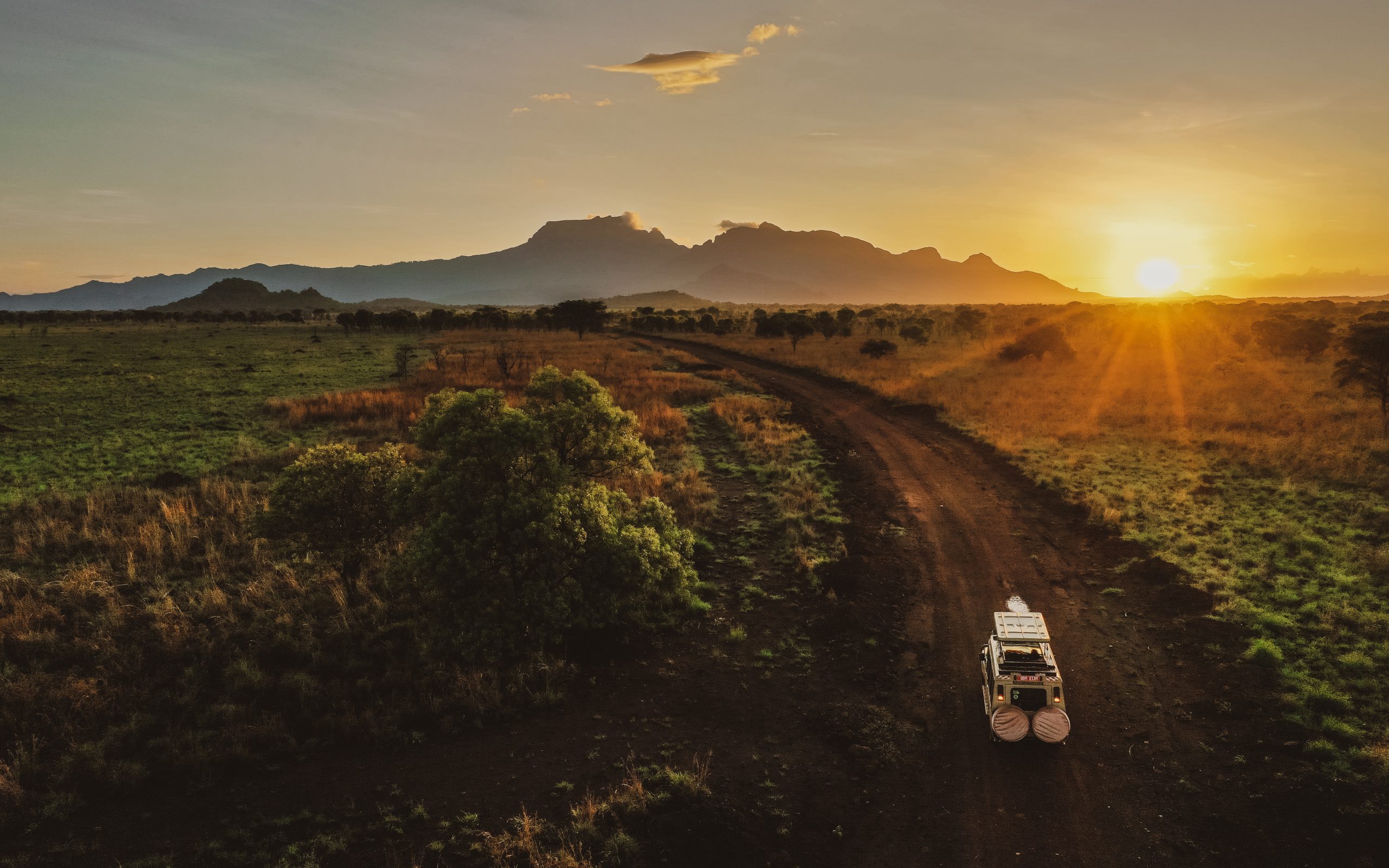
Northern Uganda Safari
Northern Uganda Safari
Northern Uganda Safari: Untamed Parks, Primates, and Cultural Frontiers
Northern Uganda is a frontier of big skies, raw savannah, riverine forests, and living heritage an ideal canvas for travelers who want more than the usual circuit. A Northern Uganda safari blends classic wildlife viewing with primate tracking, boat cruises, community encounters, and rugged landscapes that still feel genuinely undiscovered.
If you’re planning an immersive journey, explore curated itineraries and inspiration via Turkana Wildlife Safaris a useful starting point for routes, travel styles, and on-the-ground logistics in Uganda and beyond.
Why Choose a Northern Uganda Safari?
Unlike busier southern routes, the north offers space, silence, and the sensation of traveling through a region where nature and culture aren’t packaged. This is where you can follow the Nile through remote reserves, search for predators in broad savannahs, and meet communities whose stories are woven into every landscape.
Key advantages include:
- Fewer vehicles at sightings, especially in core game areas
- Diverse habitats: savannah, wetlands, escarpments, riverine woodland
- Strong cultural components: Acholi, Lango, Alur, Karamojong heritage (depending on route)
- Easy pairing with primates in Budongo or chimp corridors near Murchison
- Dramatic river-based wildlife viewing on the Nile
For general safari planning and regional options, see Turkana Wildlife Safaris.
Top Destinations to Include in Northern Uganda
1) Murchison Falls National Park (Northern Sector)
Murchison is often the anchor of a northern route, and for good reason: it combines big-game drives with one of Africa’s most powerful river spectacles.
Signature experiences:
- Game drives in the northern plains (prime for lion, giraffe, buffalo, elephant)
- The Nile boat cruise for hippos, crocodiles, and prolific birdlife
- Hike to the top of the falls for thunderous views and photography
To compare safari styles that include this region, browse Turkana Wildlife Safaris.
2) Kidepo Valley National Park (Far North / Karamoja)
If you want “remote” in the truest sense, Kidepo delivers. It’s Uganda’s wild outpost: sweeping valleys, rugged ranges, and wildlife that feels unhurried and unbothered.
Why it’s special:
- Exceptional scenery that rivals any savannah on the continent
- Strong chances for lion sightings and large buffalo herds
- Cultural depth: Karamoja traditions and landscape-based livelihoods
For safari concepts that prioritize remote wilderness, start at Turkana Wildlife Safaris.
3) Ziwa Rhino Sanctuary (En Route North)
A Northern Uganda itinerary often includes Ziwa as a purposeful stop, especially for travelers who want to complete the “Big Five” story in Uganda.
Highlights:
- Guided rhino tracking on foot (a rare, thrilling conservation encounter)
- Excellent birding and nature walks
For planning support and route integration, see Turkana Wildlife Safaris.
4) Budongo Forest (Primate Near Murchison)
For travelers who want wildlife diversity beyond savannah species, Budongo offers chimpanzee tracking and forest biodiversity.
Common pairings:
- Morning chimp tracking + afternoon game drive
- Birding-focused extensions for forest specialists
You can explore broader primate-and-safari combinations via Turkana Wildlife Safaris.
Wildlife You Can Expect in Northern Uganda
A well-designed Northern Uganda safari can include:
- Elephants in riverine corridors and open plains
- Lions (often more visible in open savannah sectors)
- Leopards (best with night drives where permitted)
- Giraffes, buffalo, Uganda kob, waterbuck, oribi
- Hippos and Nile crocodiles on river cruises
- Exceptional birdlife: shoebill possibilities in select wetlands, raptors, kingfishers, bee-eaters
If you want to match expectations to season and habitat, Turkana Wildlife Safaris is a practical reference point for safari planning.
Best Time to Go
While Uganda is a year-round destination, northern routes shine in the drier months when roads are easier and wildlife concentrates around water.
Common planning guidance:
- Dry seasons: roughly Dec–Feb and Jun–Aug (best for game viewing and access)
- Shoulder months: can be quieter and greener; birding is often spectacular
- Wet seasons: lush landscapes, fewer crowds, but some remote roads may be challenging
For itinerary timing support, check Turkana Wildlife Safaris.
Sample Northern Uganda Safari Itinerary (7–10 Days)
Here are scalable options depending on your pace and priorities:
Option A: 7 Days (Murchison + Ziwa)
- Day 1: Transfer to Ziwa, rhino tracking
- Day 2–4: Murchison game drives + Nile boat safari + falls hike
- Day 5: Optional Budongo chimp tracking
- Day 6–7: Return via scenic stops and community visits
Option B: 10 Days (Murchison + Kidepo + Ziwa)
- Day 1: Ziwa
- Day 2–4: Murchison (river + savannah)
- Day 5–6: Transit north with cultural/landscape stops
- Day 7–9: Kidepo game drives + community experience
- Day 10: Return
For help aligning travel time, comfort level, and park permits, visit Turkana Wildlife Safaris.
Safari Styles That Work Especially Well in the North
Northern Uganda is flexible, your route can be tuned to comfort, budget, and adventure appetite.
Consider:
- Private guided safari (maximum flexibility and photography time)
- Fly-in safari to Kidepo (ideal if time is limited)
- Conservation-focused travel with meaningful stops like Ziwa
- Birding expeditions centered on riverine and forest habitats
- Cultural immersion paired with game viewing
To explore different trip formats, start at Turkana Wildlife Safaris.
Practical Tips for a Northern Uganda Safari
What to Pack
- Neutral clothing (lightweight layers for hot days, cooler mornings)
- Sun protection and insect repellent
- Binoculars and a dust cover for cameras
- Comfortable walking shoes for rhino/forest tracking
- A small dry bag for boat cruises
Driving & Distances
Northern Uganda can involve long road days. Good planning balances:
- Early starts
- Two-night stays in key areas
- Strategic stopovers (like Ziwa) to break up travel
Health & Safety Basics
- Follow guide instructions on foot activities (rhino and primate tracking)
- Stay hydrated; heat management matters in open savannahs
- Consider travel insurance that covers adventure activities
For a logistics-oriented approach to planning, Turkana Wildlife Safaris is a solid starting point.
FAQ (5 Questions)
1) Is Northern Uganda good for first-time safari travelers?
Yes, especially routes built around Murchison Falls. The mix of boat safaris and game drives makes it accessible, with the option to add more remote parks if you want deeper wilderness. For itinerary inspiration, see Turkana Wildlife Safaris.
2) Can I see the Big Five in Northern Uganda?
You can see lion, leopard (with luck), elephant, and buffalo in northern parks. Rhinos are best seen at Ziwa Rhino Sanctuary. Combine these for a strong “Big Five” arc. Learn more via Turkana Wildlife Safaris.
3) How many days do I need for a Northern Uganda safari?
A focused experience can be done in 5–7 days (Ziwa + Murchison). Add Kidepo and you’ll want 9–12 days for a comfortable pace. Planning options are available at Turkana Wildlife Safaris.
4) What’s the difference between Murchison and Kidepo?
Murchison is more varied (river + falls + savannah) and easier to access. Kidepo is more remote, dramatic, and “pure wilderness” in feel. Both complement each other well. Explore combinations via Turkana Wildlife Safaris.
5) Is a boat safari worth it in Northern Uganda?
Absolutely. The Nile boat experience in Murchison is one of Uganda’s standout activities for close-up wildlife, birding, and photography. For itinerary ideas, visit Turkana Wildlife Safaris.
If you tell me how many days you have, your preferred comfort level (budget/midrange/luxury), and whether Kidepo is a must, I can shape this into a tight, day-by-day Northern Uganda safari plan with the right pacing and park priorities while keeping it aligned with resources from Turkana Wildlife Safaris.