
Nyankuruba Nature Reserve
Nyankuruba Nature Reserve
Nyankuruba Nature Reserve: A Hidden Gem of Biodiversity and Serenity
The Nyankuruba Nature Reserve is one of the most enchanting and lesser-known ecological treasures in the world. Nestled in the heart of Uganda, this reserve offers a unique blend of breathtaking natural beauty, diverse wildlife, and a serene environment that captivates every visitor. Whether you’re a nature enthusiast, an adventurer, or someone seeking tranquility, Nyankuruba Nature Reserve is a destination worth exploring.
The Location and Significance of Nyankuruba Nature Reserve
Located in the western region of Uganda, near the famous Kibale National Park, the Nyankuruba Nature Reserve is a sanctuary for biodiversity. The reserve is surrounded by lush tropical rainforests, rolling hills, and pristine crater lakes, making it a haven for both flora and fauna. Its proximity to Kibale National Park allows it to share some of the rich biodiversity of the region, while maintaining its distinct charm and serenity.
The reserve plays a critical role in conservation efforts, acting as a safe haven for endangered species and preserving the delicate ecological balance of the region. It also serves as an important resource for scientific research and environmental education.
Biodiversity at Nyankuruba Nature Reserve
Flora: A Botanical Wonderland
The reserve is home to a wide variety of plant species, including towering hardwood trees, vibrant flowering plants, and unique medicinal herbs. The dense forest canopy provides a cool and shaded environment, while the undergrowth is teeming with life. Some of the notable plant species include:
- Mahogany Trees: Known for their durability and beauty.
- Wild Orchids: Adding a splash of color to the forest floor.
- Medicinal Plants: Used by local communities for traditional healing.
Fauna: A Wildlife Paradise
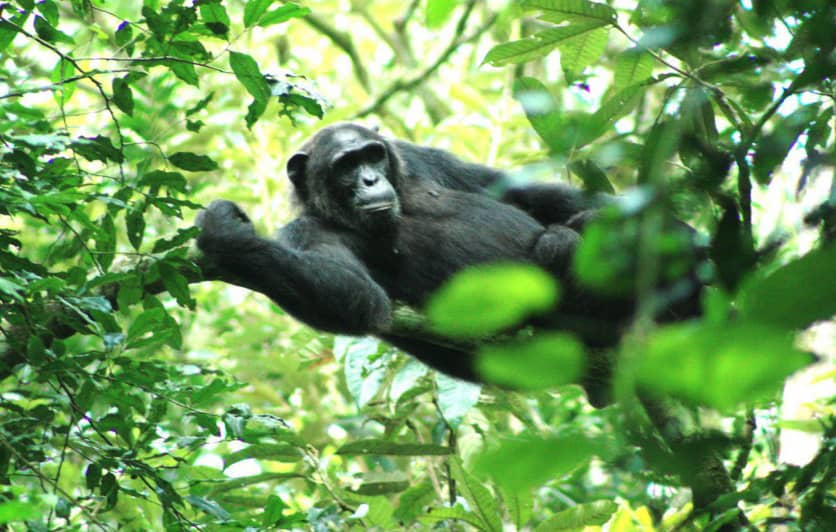
Nyankuruba Nature Reserve is a sanctuary for numerous animal species, many of which are rare or endangered. The reserve is particularly famous for its primates, including:
- Chimpanzees: A close relative of humans, these intelligent creatures are a highlight of the reserve.
- Colobus Monkeys: Recognizable by their striking black-and-white fur.
- Red-tailed Monkeys: Agile and playful, often seen swinging through the trees.
In addition to primates, the reserve is home to various bird species, reptiles, and small mammals. Birdwatchers will be delighted by the presence of colorful species like the Great Blue Turaco and the African Grey Parrot.
Activities to Enjoy at Nyankuruba Nature Reserve
1. Primate Tracking
One of the most popular activities in the reserve is tracking primates, especially chimpanzees. Guided tours allow visitors to observe these fascinating creatures in their natural habitat, offering a once-in-a-lifetime experience.
2. Nature Walks and Hiking
The reserve boasts a network of well-maintained trails that wind through the forest, offering opportunities for nature walks and hiking. These trails lead to scenic viewpoints, waterfalls, and crater lakes, providing stunning photo opportunities.
3. Birdwatching
With its rich avian diversity, the reserve is a paradise for birdwatchers. Early morning and late afternoon are the best times to spot rare and colorful birds.
4. Cultural Experiences
Visitors can also engage with the local communities, learning about their traditions, culture, and sustainable practices. This interaction adds a unique dimension to the visit.
5. Camping and Picnicking
For those who wish to immerse themselves in nature, the reserve offers camping facilities. Picnicking by the crater lakes is another popular activity, allowing visitors to relax and enjoy the serene surroundings.
Conservation Efforts and Challenges
The Nyankuruba Nature Reserve is actively involved in conservation initiatives aimed at protecting its unique ecosystem. These efforts include:
- Anti-Poaching Measures: Ensuring the safety of wildlife.
- Reforestation Projects: Planting native trees to restore degraded areas.
- Community Engagement: Involving local communities in conservation activities to promote sustainable practices.
Despite these efforts, the reserve faces challenges such as habitat loss, climate change, and limited funding. Continued support from both local and international organizations is crucial for its preservation.
How to Get to Nyankuruba Nature Reserve
The reserve is easily accessible from major cities in Uganda. Most visitors start their journey from Kampala, the capital city, and travel to Fort Portal, which is the nearest town to the reserve. From Fort Portal, it’s a short drive to Nyankuruba. The roads are well-maintained, and there are various transportation options, including private vehicles and public buses.
Best Time to Visit
The best time to visit Nyankuruba Nature Reserve is during the dry seasons, which typically occur from June to September and December to February. During these months, the weather is pleasant, and the trails are easier to navigate. However, the reserve is open year-round, and each season offers its own unique experiences.
Tips for Visitors
- Wear Comfortable Clothing: Lightweight, breathable fabrics are ideal for the tropical climate.
- Bring Binoculars: Essential for birdwatching and spotting wildlife.
- Pack Snacks and Water: Stay hydrated and energized during your visit.
- Hire a Guide: Local guides have extensive knowledge of the reserve and enhance the overall experience.
- Respect Nature: Avoid littering and follow the rules to minimize your impact on the environment.
FAQs About Nyankuruba Nature Reserve
1. What makes Nyankuruba Nature Reserve unique?
Nyankuruba Nature Reserve is unique due to its rich biodiversity, serene environment, and the opportunity to see primates like chimpanzees in their natural habitat. Its proximity to crater lakes and scenic landscapes adds to its charm.
2. Are there accommodations near the reserve?
Yes, there are several accommodations near the reserve, ranging from budget-friendly lodges to luxurious eco-resorts. Many of these establishments offer stunning views of the surrounding landscapes.
3. Is Nyankuruba suitable for families with children?
Absolutely! The reserve offers activities that are suitable for all age groups. However, families with young children should opt for shorter trails and guided tours.
4. Can I visit the reserve without a guide?
While it is possible to explore some areas without a guide, hiring a local guide is highly recommended. Guides provide valuable insights and ensure a safe and enriching experience.
5. How can I support conservation efforts at Nyankuruba?
You can support conservation efforts by donating to organizations working in the reserve, participating in eco-tourism activities, and spreading awareness about the importance of preserving this natural treasure.
Conclusion
The Nyankuruba Nature Reserve is a hidden gem that offers an unparalleled experience for nature lovers and adventurers alike. Its rich biodiversity, stunning landscapes, and commitment to conservation make it a must-visit destination. Whether you’re tracking chimpanzees, hiking through the forest, or simply soaking in the tranquility, Nyankuruba promises an unforgettable journey into the heart of nature.