
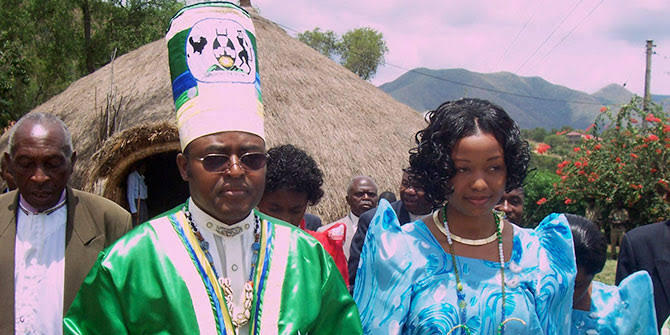
Omusinga of Rwenzururu
Omusinga of Rwenzururu
The Omusinga of Rwenzururu: A Historical and Cultural Odyssey
Introduction
The Rwenzururu Kingdom is a fascinating realm nestled in the heart of Africa, with a rich tapestry of history and culture. At the helm of this kingdom is the Omusinga, a title that carries immense significance and responsibility. This article delves into the historical journey, cultural significance, and contemporary relevance of the Omusinga of Rwenzururu, offering a comprehensive exploration for those intrigued by African monarchies and their enduring legacies.
The Genesis of Rwenzururu
Historical Background
The Rwenzururu Kingdom emerged from the quest for autonomy and identity among the Bakonzo and Baamba people, who inhabit the Rwenzori Mountains region. This quest culminated in a secessionist movement in the 1960s, leading to the establishment of the Rwenzururu Kingdom in 1962. The movement was driven by a desire to preserve cultural heritage and assert political independence from the Toro Kingdom, under which the Bakonzo and Baamba felt marginalized.
The Role of the Omusinga
The title of Omusinga, meaning “king,” is central to the identity of the Rwenzururu Kingdom. The Omusinga is not just a political leader but also a cultural custodian, responsible for preserving the traditions and customs of the Bakonzo and Baamba people. This role is steeped in historical significance, as the Omusinga is seen as a symbol of unity and resistance against external domination.
Cultural Significance of the Omusinga
Traditional Practices and Beliefs
The Omusinga plays a pivotal role in upholding the cultural practices and beliefs of the Rwenzururu people. This includes overseeing traditional ceremonies, rituals, and festivals that celebrate the rich heritage of the Bakonzo and Baamba. The Omusinga is also a spiritual leader, believed to possess a deep connection with the ancestors and the spiritual realm.
Language and Literature
Language is a vital component of cultural identity, and the Omusinga is instrumental in promoting the use of the Lukonzo and Lubaamba languages. Efforts to document and preserve oral literature, including folktales, proverbs, and songs, are spearheaded by the Omusinga, ensuring that the linguistic heritage of the Rwenzururu people is passed down through generations.
The Contemporary Relevance of the Omusinga
Political Influence
In contemporary times, the Omusinga continues to wield significant political influence, both within the Rwenzururu region and beyond. The Omusinga’s role in advocating for the rights and welfare of the Bakonzo and Baamba people is crucial, particularly in addressing issues related to land rights, resource management, and political representation.
Challenges and Opportunities
The Omusinga faces numerous challenges in the modern era, including navigating the complexities of national politics, addressing socio-economic disparities, and fostering peace and reconciliation in a region that has experienced conflict. However, these challenges also present opportunities for the Omusinga to lead transformative initiatives that promote development, education, and cultural preservation.
Conclusion
The Omusinga of Rwenzururu is a figure of profound historical and cultural significance, embodying the resilience and aspirations of the Bakonzo and Baamba people. As a custodian of tradition and a beacon of leadership, the Omusinga continues to play a vital role in shaping the future of the Rwenzururu Kingdom. This article has explored the multifaceted dimensions of the Omusinga’s role, offering insights into a unique African monarchy that continues to thrive in the modern world.
FAQ
1. What is the origin of the Rwenzururu Kingdom?
The Rwenzururu Kingdom originated from a secessionist movement in the 1960s by the Bakonzo and Baamba people, who sought autonomy from the Toro Kingdom.
2. What does the title “Omusinga” mean?
The title “Omusinga” means “king” and is a symbol of leadership and cultural preservation for the Rwenzururu people.
3. What are the main responsibilities of the Omusinga?
The Omusinga is responsible for upholding cultural traditions, promoting language and literature, and advocating for the rights and welfare of the Rwenzururu people.
4. How does the Omusinga influence contemporary politics?
The Omusinga wields political influence by addressing issues related to land rights, resource management, and political representation for the Bakonzo and Baamba people.
5. What challenges does the Omusinga face today?
The Omusinga faces challenges such as navigating national politics, addressing socio-economic disparities, and fostering peace and reconciliation in the Rwenzururu region.