
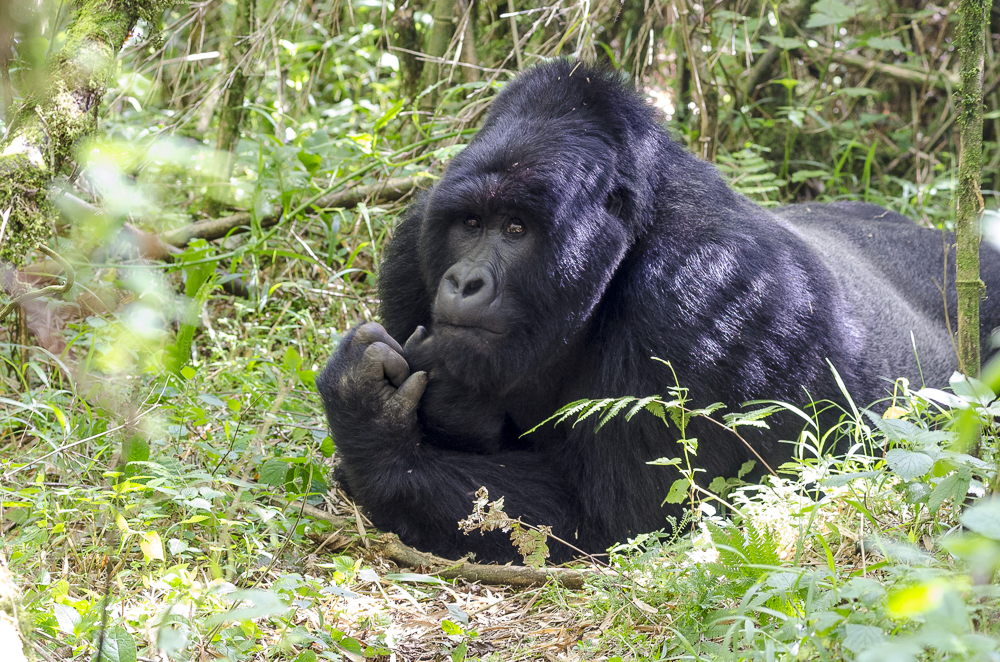
Photography and Rules for Gorilla Trekking
Photography and Rules for Gorilla Trekking
Photography and Rules for Gorilla Trekking: The Complete Guide to Ethical Encounters and Remarkable Images
Gorilla trekking is one of the rare travel experiences where the rules are not a limitation they are the very reason the encounter remains possible. The same is true for photography: the most compelling images come from patience, distance, calm movements, and a deep respect for the gorillas’ space. This guide brings together the essential regulations, field-proven photography techniques, and practical preparation steps so you can return with powerful images while protecting one of the world’s most vulnerable great apes.
Why Gorilla Trekking Rules Matter (For Conservation and Your Safety)
Mountain gorillas and habituated gorilla families are still highly sensitive to human presence. Regulations are designed to:
- Reduce disease transmission (gorillas share human susceptibility to respiratory illnesses)
- Prevent stress and behavioral disruption
- Keep visitors safe in close proximity to powerful wild animals
- Protect habitats from degradation due to repeated foot traffic
- Ensure tourism revenue supports conservation and community livelihoods
Ethical photography aligns with these goals. The best gorilla images are not forced; they are earned through quiet observation and impeccable discipline.
Gorilla Trekking Rules: What You Must Follow
While exact regulations can differ slightly by destination and park authority, these are the widely enforced standards across major gorilla trekking regions.
1) Permits Are Mandatory and Strictly Controlled
You cannot trek without a valid permit. Permits help limit daily human contact per gorilla group.
- Carry your permit and ID as required
- Follow ranger instructions on timing and group limits
If you’re arranging a guided safari package that includes permits and logistics, start with an experienced operator such as Turkana Wildlife Safaris to reduce last-minute complications.
2) Maintain the Required Distance (Usually 7 Meters Minimum)
A minimum distance—commonly 7 meters is enforced to reduce stress and disease risk.
Photography implication: This distance is why longer lenses matter more than close approaches. Your framing should come from focal length, not proximity.
3) If You’re Sick, You Don’t Trek
Even mild flu-like symptoms can be dangerous for gorillas.
- Inform the guide if you feel unwell
- Follow park protocols (you may be turned back)
This rule protects gorilla groups from outbreaks that can cause fatalities.
4) Trek Duration and Gorilla Viewing Time Are Limited
A trek may take hours, but the viewing time is commonly limited to around 1 hour once you reach the gorillas.
Photography implication: You must be ready before you arrive, camera configured, lens mounted, settings tested.
5) No Flash Photography
Flash can stress gorillas and disrupt natural behavior.
- Disable flash
- Turn off AF assist lamp if it emits bright light
6) Keep Voices Low and Movements Slow
Sudden movements can be perceived as threat behavior.
- No shouting or loud talking
- Don’t run
- Don’t surround gorillas, follow ranger positioning
7) No Eating, Drinking, or Littering Near Gorillas
Food smells and waste create behavioral and health risks.
- Pack out everything
- Use designated breaks away from the gorilla group when permitted
8) Don’t Touch Gorillas (Even If They Approach)
Occasionally a curious juvenile may approach. You must remain still and let the ranger manage the moment.
- No reaching out
- No attempts to “pose” an animal for a photo
9) Follow Ranger Instructions Immediately
Rangers read gorilla behavior and forest conditions. If instructed to:
- Step back
- Crouch
- Stay still
- Move to the side
Do it without debate, this is a safety rule, not a suggestion.
Gorilla Trekking Photography: The Gear That Makes the Difference
Camera Body: Prioritize Low-Light Performance and Fast Autofocus
Forests are dark. Gorillas are often in shade. A camera with strong high ISO performance is a major advantage.
What matters most:
- Clean performance at ISO 1600–6400+
- Reliable eye/face detection (when available)
- Fast burst rate (helpful but not required)
Lens Choices (And Why They Matter)
Because you’ll keep distance, lenses shape your success.
Recommended focal lengths:
- 70–200mm: versatile, fast, great for portraits
- 100–400mm: excellent for tighter framing at distance
- 24–70mm (backup): for habitat scenes and wider context shots only when distance is safe
Avoid:
- Ultra-wide close-ups (temptation to move too close)
- Lenses that are too slow (f/6.3 in deep forest can be challenging without high ISO)
Essential Accessories
- Rain cover (forest weather changes quickly)
- Microfiber cloths (humidity and mist are constant)
- Lightweight daypack
- Dry bag or zip pouches
- Extra battery + memory card (no second chances)
If you’re building a full itinerary including packing guidance and safari planning, see the resources and trip ideas at Turkana Wildlife Safaris.
Best Camera Settings for Gorilla Trekking (Forest-Proof Defaults)
Suggested Starting Point (Adjust as Needed)
- Mode: Aperture Priority or Manual with Auto ISO
- Aperture: f/2.8–f/5.6 (depending on lens and desired background blur)
- Shutter speed: 1/250–1/500 (gorillas move unexpectedly; hands/eyes need crisp detail)
- ISO: Auto ISO capped at what your camera can handle (often 6400–12800)
- Focus: AF-C / Servo, single point or eye/face detect if reliable
- Metering: Evaluative/Matrix, with exposure compensation ready
Pro Tip: Underexposure Happens in Dark Fur
Gorilla fur absorbs light. Cameras can underexpose faces in shade.
- Watch your histogram
- Use +0.3 to +1.0 exposure compensation when needed
Composition: How to Create Images That Feel Alive (Not Just “Animal Photos”)
Focus on Expressions and Gestures
Gorillas communicate with subtle cues:
- Averted gaze
- Gentle grooming
- Play behavior
- Protective positioning of infants
- Silverback presence and calm authority
The story is in the quiet moments.
Use Layers: Foreground Leaves, Midground Gorilla, Background Forest
Forest elements can add depth if they don’t block eyes.
- Shoot through foliage carefully
- Avoid messy branches across faces
- Move only when instructed; otherwise wait for a cleaner angle
Include Context Frames
After you get your portrait shots, take a few frames that show:
- The habitat
- The group dynamic
- The scale of the forest
- Rangers at a respectful distance (only if permitted)
These images enrich storytelling and documentation.
Ethical Photography: The Non-Negotiables
Ethical wildlife photography is not just “being nice” it is compliance, conservation, and professionalism.
Do Not:
- Push closer for a tighter portrait
- Ask guides to “make gorillas come nearer”
- Use flash or bright lights
- Mimic vocalizations or chest-beating
- Block gorilla paths
- Stay longer than permitted
Do:
- Respect minimum distance
- Keep your camera quiet (turn off beeps)
- Photograph natural behavior only
- Let moments unfold without interference
Tour operators that prioritize responsible trekking will reinforce these standards; if you’re vetting options, begin with a reputable company such as Turkana Wildlife Safaris.
What to Wear and Bring (Comfort + Safety + Quiet Movement)
Clothing and Footwear
- Long sleeves and long pants (nettles, insects, scratches)
- Neutral colors (avoid bright reds/whites)
- Waterproof hiking boots with good ankle support
- Gaiters (optional but useful)
- Gloves (for grabbing vegetation on steep slopes)
Trek Essentials
- 1–2 liters water (drink away from gorillas when instructed)
- Snacks for before/after (follow ranger rules)
- Light rain jacket or poncho
- Camera rain protection
- Sunscreen and insect repellent (apply before entering gorilla zone)
Behavior in the Presence of Gorillas: What Actually Happens on the Ground
Even if you’ve read every rule, the moment you meet gorillas can be emotionally overwhelming. Here’s how to stay composed:
- Stop where the ranger tells you
- Lower your body posture (less threatening)
- Keep elbows tucked and movements controlled
- If a gorilla looks at you directly: hold still, avoid prolonged eye contact
- If a gorilla approaches: don’t back away suddenly let rangers guide your movement
Your calm is part of the ecosystem of safety.
Common Mistakes That Ruin Gorilla Photos (And How to Avoid Them)
1) Arriving With the Wrong Lens Mounted
You lose your first minutes changing gear. Start with your most versatile lens.
2) Shutter Speed Too Slow
Forest shade causes motion blur. Raise ISO before you drop shutter too low.
3) Over-Focusing on the Silverback Only
Silverbacks are iconic, but the most intimate stories often happen in:
- maternal behavior
- juvenile play
- grooming interactions
4) Obsessing Over “Perfect” Sharpness
A slightly grainy, emotionally powerful image is better than a clinically sharp but lifeless frame.
5) Ignoring Background and Branches
A twig across an eye can ruin a masterpiece. Shift perspective only when allowed or wait.
Experiences to Pair With Gorilla Trekking.
Many travelers build a broader narrative around the trek:
- Golden monkey tracking (where available)
- Big game safaris for contrast (open plains vs. dense forest)
- Cultural visits that support local communities
- Birding and forest walks
To explore broader itinerary planning and safari combinations, visit Turkana Wildlife Safaris and compare route ideas, inclusions, and seasonal considerations.
FAQ: Photography and Rules for Gorilla Trekking
1) Can I use a flash if the forest is very dark?
No. Flash is typically prohibited because it can disturb gorillas and alter behavior. Increase ISO, open aperture, and stabilize your shooting stance instead.
2) What lens is best for gorilla trekking photography?
A 70–200mm is an excellent all-rounder; 100–400mm helps when gorillas remain deeper in vegetation. The best lens is the one that lets you maintain legal distance while still filling the frame.
3) How close can I get to gorillas?
Rules commonly require about 7 meters minimum distance, sometimes more depending on the situation. Rangers will enforce the safe positioning.
4) What if a gorilla approaches me?
Stay calm and still. Do not touch the gorilla. Follow ranger instructions precisely this is standard and manageable when handled correctly.
5) How do I keep my camera safe from rain and humidity?
Use a rain cover or dry bag, keep microfiber cloths accessible, and avoid changing lenses in heavy mist. Pack silica gel if you have it.