
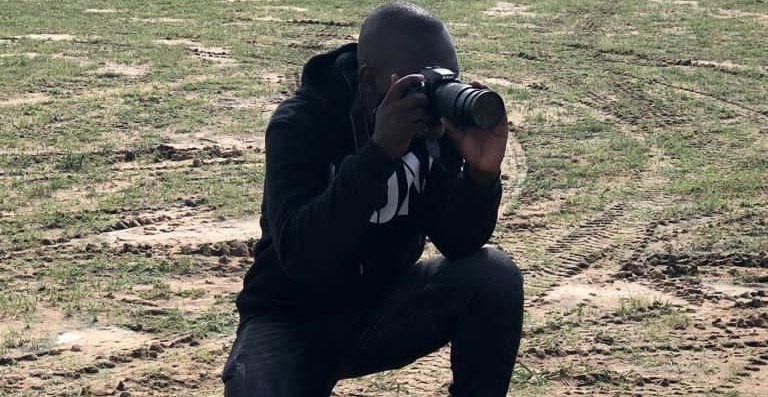
Photography Safari in Uganda
Photography Safari in Uganda
Ultimate Guide to a Photography Safari in Uganda: Capturing Africa’s Hidden Gem
Uganda, often called the “Pearl of Africa,” is a land of breathtaking beauty and extraordinary biodiversity. For photography enthusiasts, it offers a rare opportunity to capture some of the world’s most iconic wildlife, dramatic landscapes, and rich cultural moments—all in one journey. A photography safari in Uganda is not just a trip; it’s a visual expedition into the heart of East Africa.
This guide explores everything you need to know to plan and enjoy a photography safari in Uganda, from the best parks and seasons to gear tips and ethical practices. Whether you’re a seasoned photographer or a passionate beginner, Uganda promises a portfolio of unforgettable images.
Why Choose Uganda for a Photography Safari?
Uganda is a unique destination for photographers for several compelling reasons:
- Mountain Gorillas: Uganda is home to more than half of the world’s remaining mountain gorillas, offering rare and intimate encounters.
- Diverse Landscapes: From misty rainforests and savannahs to snow-capped mountains and crater lakes, the country’s terrain is varied and visually stunning.
- Wildlife Variety: Uganda hosts the Big Five, over 1,000 bird species, and numerous primates.
- Cultural Richness: With over 50 tribes, Uganda offers vibrant traditions, ceremonies, and daily life scenes perfect for cultural photography.
- Less Crowded Parks: Compared to neighboring countries, Uganda’s parks are less commercialized, allowing for more authentic and peaceful experiences.
Top Destinations for Photography in Uganda
Bwindi Impenetrable National Park
This ancient rainforest is one of the best places in the world to photograph mountain gorillas. The dense foliage, misty atmosphere, and emotional depth of gorilla encounters make for powerful imagery.
What to Photograph:
- Close-up portraits of gorillas
- Misty jungle scenes
- Rare forest birds and butterflies
Queen Elizabeth National Park
A diverse park known for its tree-climbing lions and scenic Kazinga Channel. It’s a haven for wildlife and landscape photography.
Highlights:
- Lions lounging in fig trees
- Elephants and buffalo at waterholes
- Boat safaris with hippos and birds
Murchison Falls National Park
Here, the Nile River crashes through a narrow gorge, creating one of Africa’s most powerful waterfalls. The surrounding savannah is rich with wildlife.
Photographic Opportunities:
- The dramatic waterfall
- Giraffes, elephants, and leopards
- Nile River scenes with crocodiles and hippos
Kibale Forest National Park
Known for its chimpanzee population, Kibale offers intimate forest photography opportunities and a chance to capture a wide range of primates.
What to Capture:
- Chimpanzees in action
- Dense forest textures
- Colorful birds and insects
Lake Mburo National Park
A smaller park with rolling hills, acacia woodlands, and a variety of wildlife. It’s ideal for landscape and bird photography.
Highlights:
- Zebras and impalas in golden light
- Reflections on the lake at dawn
- Birdlife in wetlands and woodlands
Best Time to Visit for Photography
Uganda’s climate allows for travel year-round, but certain months are better for specific types of photography.
Dry Seasons (June–August, December–February)
- Clear skies and less vegetation make wildlife easier to spot.
- Ideal for sharp, high-contrast images.
- Trails are more accessible.
Wet Seasons (March–May, September–November)
- Lush greenery and dramatic cloudscapes.
- Great for landscape and macro photography.
- Fewer tourists and softer light.
Recommended Gear for a Photography Safari
Packing the right equipment can make or break your photography experience.
Camera Bodies
- A DSLR or mirrorless camera with fast autofocus and good low-light performance.
- A backup camera body is advisable.
Lenses
- Telephoto (100–400mm or 200–600mm): Essential for wildlife.
- Wide-angle (16–35mm): Great for landscapes and forest scenes.
- Standard zoom (24–70mm): Versatile for portraits and general use.
Accessories
- Extra batteries and memory cards
- Lens cleaning kit and rain covers
- Lightweight tripod or monopod
- External flash (especially for forest interiors)
Ethical Photography Practices
Respect for wildlife and local communities is essential.
- Keep a respectful distance from animals.
- Avoid using flash, especially with primates.
- Follow park rules and listen to guides.
- Ask for permission before photographing people.
- Do not bait or provoke animals for a better shot.
Cultural Photography in Uganda
Uganda’s people are as photogenic as its landscapes. With over 50 ethnic groups, the country offers a rich tapestry of traditions and daily life.
What to Photograph:
- Traditional dances and ceremonies
- Colorful markets and crafts
- Portraits of elders and children
- Rural life and farming scenes
Always approach cultural photography with sensitivity and respect. Engage with your subjects and, when possible, share the images you take.
Tips for Capturing Stunning Safari Photos
- Use the Golden Hours: Early morning and late afternoon offer the best light.
- Be Patient: Wait quietly for the right moment rather than chasing it.
- Shoot at Eye Level: This creates a stronger connection with your subject.
- Use the Rule of Thirds: Compose your images for balance and interest.
- Watch the Background: Keep it clean to avoid distractions.
Sample 10-Day Photography Safari Itinerary
| Day | Location | Activities |
|---|---|---|
| 1 | Entebbe | Arrival and gear check |
| 2–3 | Kibale Forest | Chimpanzee tracking and forest photography |
| 4–5 | Queen Elizabeth NP | Game drives and boat safari |
| 6–7 | Bwindi Forest | Gorilla trekking and cultural visit |
| 8–9 | Lake Mburo | Landscape and bird photography |
| 10 | Entebbe | Departure |
This itinerary offers a balanced mix of wildlife, landscapes, and cultural experiences.
Frequently Asked Questions
1. Is Uganda safe for travelers?
Yes, Uganda is generally safe for tourists. Most safari areas are secure and well-managed. It’s always advisable to travel with a reputable tour operator.
2. Do I need a permit to photograph gorillas?
Yes, a gorilla trekking permit is required and must be booked in advance. It includes a one-hour session with a gorilla family.
3. What’s the best lens for photographing gorillas?
A 70–200mm lens is ideal. It provides enough reach without being too bulky and performs well in the low-light conditions of the forest.
4. Can I use a drone on safari?
Drones are generally prohibited in national parks due to concerns about disturbing wildlife. Always check local regulations before bringing one.
5. What should I wear on a photography safari?
Neutral-colored clothing, long sleeves, and sturdy boots are recommended. A rain jacket and hat are useful, especially during the rainy season.
Final Thoughts
A photography safari in Uganda is more than just a trip—it’s a visual journey into one of Africa’s most captivating countries. From the soulful eyes of a mountain gorilla to the thunderous roar of Murchison Falls, Uganda offers moments that beg to be captured.
Whether you’re drawn by wildlife, landscapes, or culture, Uganda provides a canvas rich with stories waiting to be told through your lens. Prepare well, respect the environment, and let your camera do the storytelling.