
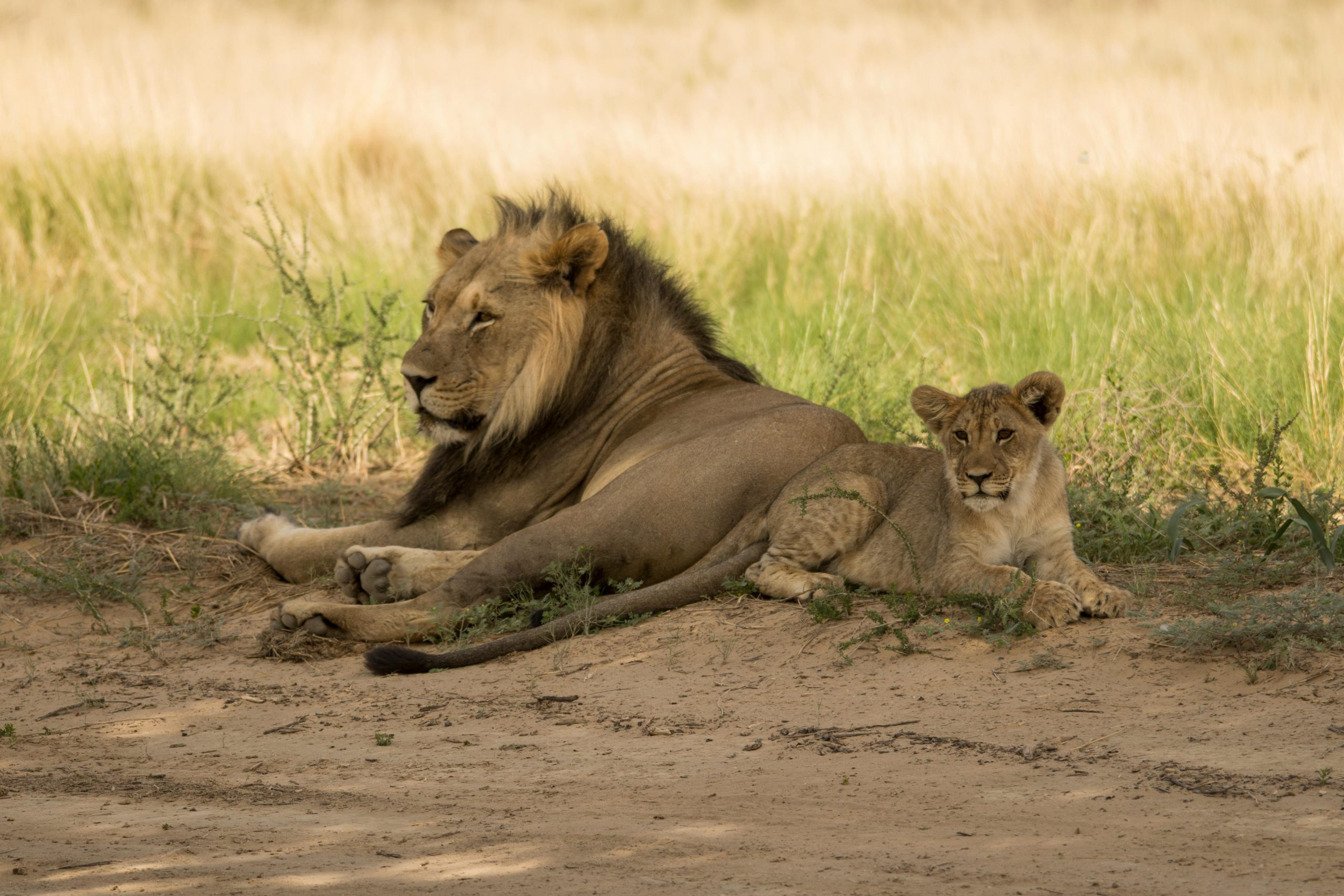
Pictures of Lions
Pictures of Lions
The Majestic Beauty of Lions: A Visual and Informative Journey into the King of the Jungle
Introduction
Lions, often referred to as the “King of the Jungle,” are among the most iconic and awe-inspiring creatures in the animal kingdom. Their regal presence, powerful physique, and social dynamics have fascinated humans for centuries. In this comprehensive guide, we will explore the world of lions through vivid descriptions, high-quality pictures of lions, and insightful facts that go beyond the surface. Whether you’re a wildlife enthusiast, a student, or simply curious, this article will provide a deep dive into the life of these magnificent big cats.
The Physical Majesty of Lions
Lions are among the largest members of the Felidae family, second only to tigers in size. Their muscular build, golden coats, and distinctive manes make them instantly recognizable.
Key Physical Features:
- Mane (in males): A symbol of dominance and strength, varying in color from blond to black.
- Body Size: Males can weigh up to 250 kg (550 lbs), while females are slightly smaller.
- Paws and Claws: Equipped with retractable claws and padded paws for silent stalking.
- Eyesight: Exceptional night vision, allowing them to hunt in the dark.
Lions’ physical adaptations make them formidable predators and respected apex predators in their ecosystems.
Lion Habitats Around the World
While most people associate lions with the African savannas, their range was once far more extensive.
Current Habitats:
- Sub-Saharan Africa: The primary stronghold for wild lions.
- Gir Forest, India: Home to the last remaining Asiatic lions, a critically endangered subspecies.
Preferred Environments:
- Grasslands
- Open woodlands
- Scrublands
- Semi-desert regions
These habitats offer the prey density and cover lions need to thrive. Unfortunately, due to habitat loss and human encroachment, their range has drastically diminished.
Social Structure and Behavior
Unlike most big cats, lions are highly social animals. They live in groups known as prides, which consist of related females, their cubs, and a coalition of males.
Pride Dynamics:
- Females: Usually remain in the same pride for life.
- Males: Compete for control of prides, often through fierce battles.
- Cubs: Raised communally, with all females contributing to their care.
Social bonds are reinforced through grooming, nuzzling, and synchronized hunting.
Hunting and Diet
Lions are carnivorous apex predators, relying on their strength, teamwork, and stealth to take down prey.
Common Prey:
- Zebras
- Wildebeests
- Buffalo
- Antelope
- Occasionally giraffes and elephants (in rare cases)
Hunting Techniques:
- Cooperative Hunting: Females typically do the hunting in groups.
- Ambush Strategy: Using terrain and cover to get close before launching a surprise attack.
- Kill and Share: The male often eats first, followed by females and cubs.
Their diet and hunting behavior are crucial for maintaining ecological balance in their habitats.
Lion Cubs: The Next Generation
Lion cubs are born blind and helpless, relying entirely on their mothers for survival.
Key Facts About Cubs:
- Gestation Period: Around 110 days
- Litter Size: Typically 2–4 cubs
- Weaning: Begins at 6–8 weeks
- Mortality Rate: High, with many cubs not surviving past their first year
Cubs are vulnerable to predators, starvation, and infanticide by incoming males taking over a pride.
Conservation Status and Threats
Lions are currently listed as Vulnerable by the IUCN, with some subspecies critically endangered.
Major Threats:
- Habitat Loss: Due to agriculture, urbanization, and deforestation.
- Human-Wildlife Conflict: Retaliatory killings by farmers.
- Poaching and Trophy Hunting
- Disease: Spread from domestic animals.
Conservation Efforts:
- Protected reserves and national parks
- Anti-poaching initiatives
- Community-based conservation programs
- Captive breeding and reintroduction
Organizations like Panthera and the Lion Recovery Fund are leading global efforts to protect lion populations.
Stunning Visual Gallery of Lions
Explore the majestic world of lions through this curated gallery of high-resolution images:
1. Male Lion Roaring at Sunset
2. Lioness on the Hunt
3. Playful Lion Cubs
4. Pride Resting Under a Tree
5. Asiatic Lion in Gir Forest
These images capture the raw beauty and emotional depth of lions in their natural habitats.
FAQs About Lions
1. Where do lions live in the wild?
Lions primarily inhabit Sub-Saharan Africa, with a small population of Asiatic lions in India’s Gir Forest.
2. What do lions eat?
They are carnivores that prey on large herbivores such as zebras, buffalo, and wildebeests.
3. How long do lions live?
In the wild, lions live around 10–14 years. In captivity, they can live up to 20 years due to safer conditions and medical care.
4. Are lions endangered?
Yes, lions are considered Vulnerable, with some subspecies like the Asiatic lion being critically endangered.
5. Why do male lions have manes?
The mane serves as a display of health and virility, intimidating rivals and attracting mates. Darker, fuller manes are often more attractive to lionesses.
Conclusion
Lions are more than just symbols of strength and royalty—they are complex, social, and vital components of their ecosystems. Through this visual and educational journey, we hope you’ve gained a deeper appreciation for these magnificent creatures. From their powerful builds and intricate social lives to the challenges they face in the wild, lions continue to inspire awe and demand our protection.
If you’re passionate about wildlife, consider supporting organizations like Panthera or visiting ethical wildlife reserves to witness these majestic animals in their natural glory.