
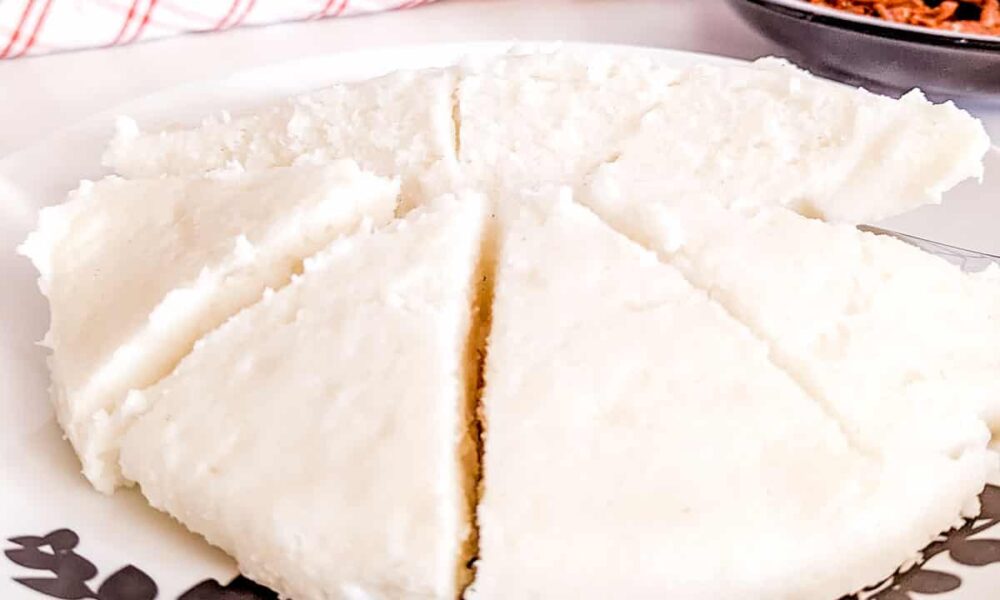
Posho
The Ultimate Guide to Posho: History, Preparation, and Cultural Significance
Introduction
Posho, also known as Ugali in some regions, is a staple food in many African countries. This article delves into the rich history, preparation methods, and cultural significance of this beloved dish. By the end of this comprehensive guide, you’ll have a deep understanding of what makes Posho an essential part of African cuisine.
History of Posho
Origins
It has been a fundamental part of African diets for centuries. Its origins can be traced back to the introduction of maize to Africa by Portuguese traders in the 16th century. Before maize, other grains like millet and sorghum were used to make similar dishes.
Evolution
Over the years, Posho has evolved from a simple, utilitarian food to a dish that holds significant cultural importance. It is now a symbol of unity and tradition in many African communities.
Preparation of Posho
Ingredients
The primary ingredient in Posho is maize flour. Other ingredients may include water and a pinch of salt. The simplicity of the ingredients belies the skill required to prepare it perfectly.
Step-by-Step Guide
- Boil Water: Start by boiling a pot of water.
- Add Maize Flour: Gradually add maize flour to the boiling water while stirring continuously.
- Stir Vigorously: Continue stirring until the mixture thickens and pulls away from the sides of the pot.
- Cook Thoroughly: Allow the mixture to cook for a few more minutes to ensure it’s fully cooked.
- Serve: Posho is typically served hot, often accompanied by various stews or vegetables.
Tips for Perfect Posho
- Consistency: The key to perfect Posho is achieving the right consistency. It should be firm but not too hard.
- Stirring: Continuous stirring is crucial to avoid lumps.
- Heat Control: Maintain a consistent heat to ensure even cooking.
Cultural Significance
Social Gatherings
Its is more than just food; it is a central part of social gatherings and celebrations. It is often served during communal meals, weddings, and other significant events.
Nutritional Value
Posho is a rich source of carbohydrates, providing the energy needed for daily activities. It is often paired with protein-rich dishes to create a balanced meal.
Symbol of Unity
In many African cultures, sharing a meal of Posho symbolizes unity and togetherness. It is a dish that brings people together, transcending social and economic barriers.
Variations of Posho
Regional Differences
While the basic recipe for Posho remains the same, there are regional variations in its preparation and serving methods. For instance, in Kenya, it is often served with Sukuma Wiki (collard greens), while in Uganda, it may be paired with groundnut sauce.
Modern Twists
In recent years, chefs have begun experimenting with Posho, adding ingredients like cheese, herbs, and spices to create modern twists on the traditional dish.
Health Benefits
High in Carbohydrates
It’s an excellent source of carbohydrates, making it a great energy booster.
Gluten-Free
Since Posho is made from maize flour, it is naturally gluten-free, making it suitable for those with gluten sensitivities.
Rich in Fiber
Maize flour is high in dietary fiber, which aids in digestion and helps maintain a healthy gut.
Frequently Asked Questions
1. What is Posho made of?
It’s primarily made from maize flour and water. Some variations may include a pinch of salt.
2. How is Posho served?
It’s typically served hot and can be accompanied by various stews, vegetables, or sauces.
3. Is Posho gluten-free?
Yes, Posho is naturally gluten-free as it is made from maize flour.
4. Can Posho be stored?
Yes, Posho can be stored in an airtight container for a few days. Reheat it by steaming or microwaving.
5. What are the health benefits of Posho?
Posho is high in carbohydrates, gluten-free, and rich in dietary fiber, making it a nutritious addition to any diet.
Conclusion
Posho is more than just a staple food; it is a symbol of cultural heritage and unity in many African communities. Its simple preparation, nutritional benefits, and cultural significance make it a dish worth exploring. Whether you’re a culinary enthusiast or someone interested in cultural foods, Posho offers a unique and enriching experience.