
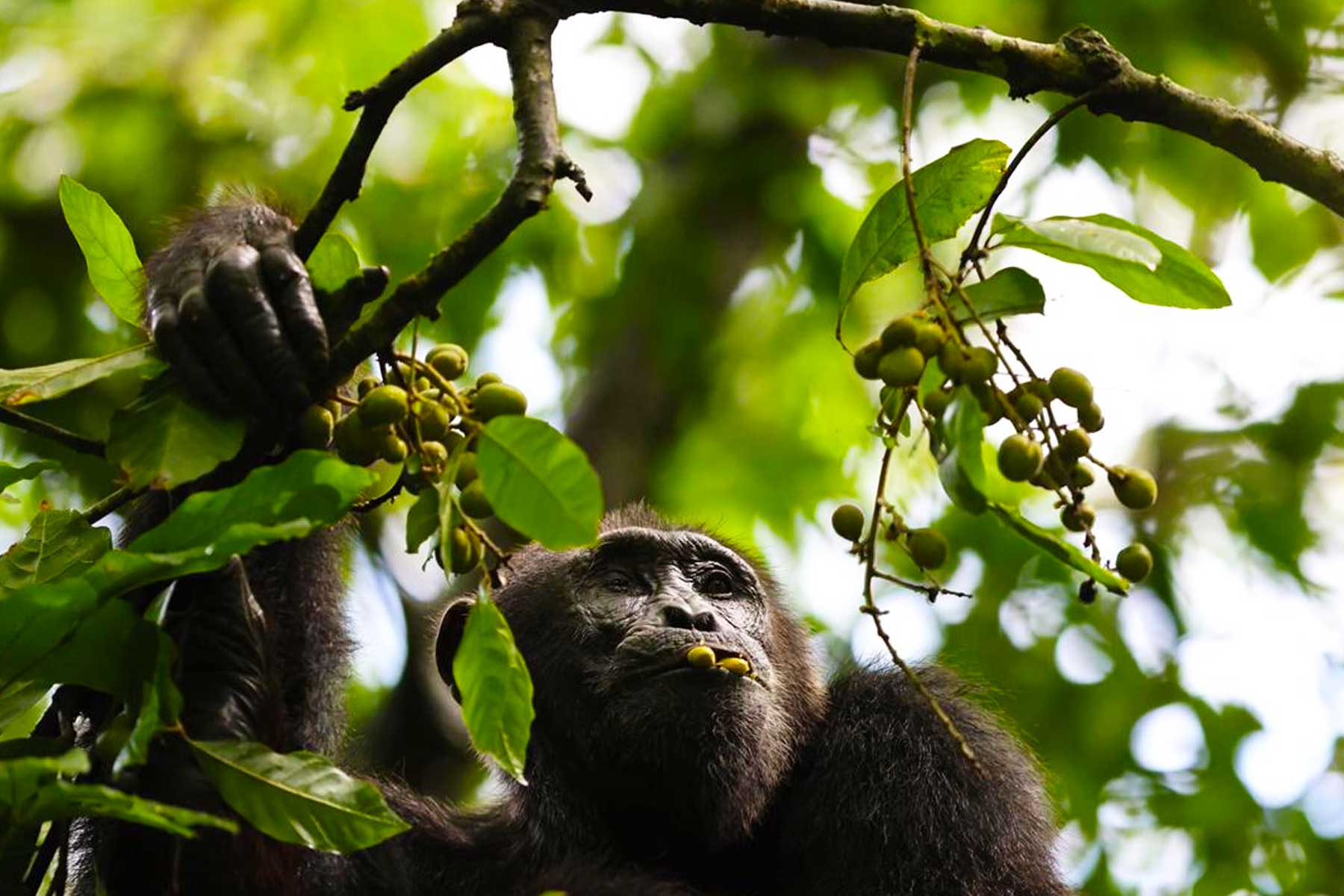
Primate Trekking Safaris
Primate Trekking Safaris
Primate Trekking Safaris in Uganda and Rwanda: A Complete Guide to an Unforgettable Adventure
Introduction
Primate trekking safaris in Uganda and Rwanda offer one of the most exhilarating wildlife experiences on the planet. These East African countries are home to lush rainforests, misty mountains, and a rich diversity of primates, including the iconic mountain gorillas, playful chimpanzees, and golden monkeys. Whether you’re a seasoned traveler or a first-time explorer, embarking on a primate trekking safari is a transformative journey into the heart of nature.
In this comprehensive guide, we’ll explore everything you need to know about primate trekking in Uganda and Rwanda, including the best destinations, permits, travel tips, and conservation efforts.
Why Choose Uganda and Rwanda for Primate Trekking?
Uganda and Rwanda are globally renowned for their conservation efforts and well-managed national parks that protect endangered primates. These countries offer:
- High biodiversity and rich ecosystems
- Safe and accessible trekking routes
- Expert guides and trackers
- Sustainable tourism practices
Their unique landscapes—ranging from the Bwindi Impenetrable Forest in Uganda to the Volcanoes National Park in Rwanda—make them ideal for immersive wildlife experiences.
Top Destinations for Primate Trekking
1. Bwindi Impenetrable National Park – Uganda
A UNESCO World Heritage Site, Bwindi is home to nearly half of the world’s remaining mountain gorillas. The dense forest and rugged terrain offer a truly wild experience.
Highlights:
- Over 20 habituated gorilla families
- Rich birdlife and flora
- Community-based tourism initiatives
Explore Bwindi with Turkana Wildlife Safaris
2. Mgahinga Gorilla National Park – Uganda
Located in the Virunga Mountains, Mgahinga is another prime location for gorilla trekking and is also the only place in Uganda where you can see golden monkeys.
Highlights:
- Gorilla and golden monkey trekking
- Cultural encounters with the Batwa people
- Scenic volcanic landscapes
Visit Mgahinga with Turkana Wildlife Safaris
3. Kibale Forest National Park – Uganda
Known as the “Primate Capital of the World,” Kibale is home to 13 primate species, including large populations of chimpanzees.
Highlights:
- Chimpanzee habituation experiences
- Guided forest walks
- Excellent birdwatching
Discover Kibale with Turkana Wildlife Safaris
4. Volcanoes National Park – Rwanda
This park is Rwanda’s crown jewel for gorilla trekking and is part of the larger Virunga Conservation Area.
Highlights:
- Home to Dian Fossey’s Karisoke Research Center
- Easy access from Kigali
- Golden monkey trekking
Book a Volcanoes Safari with Turkana Wildlife Safaris
Types of Primate Trekking Safaris
🦍 Gorilla Trekking
Gorilla trekking is the most sought-after primate experience. It involves hiking through dense forests to observe a habituated gorilla family in their natural habitat.
What to Expect:
- Small group sizes (max 8 people per trek)
- 1-hour viewing time with gorillas
- Moderate to strenuous hiking
🐒 Chimpanzee Tracking
Chimpanzee tracking is faster-paced and more dynamic, as chimps are more mobile and vocal than gorillas.
Popular Locations:
- Kibale Forest (Uganda)
- Nyungwe Forest (Rwanda)
🐵 Golden Monkey Trekking
Golden monkeys are endemic to the Virunga Mountains and are known for their vibrant colors and playful behavior.
Best Parks:
- Mgahinga Gorilla National Park (Uganda)
- Volcanoes National Park (Rwanda)
Best Time to Go Primate Trekking
The best time for primate trekking is during the dry seasons:
- June to September
- December to February
During these months, trails are more accessible, and wildlife viewing is optimal. However, primate trekking is possible year-round, and the rainy seasons offer fewer crowds and lush scenery.
Permits and Regulations
Uganda
- Gorilla Permit: $800 USD
- Chimpanzee Permit: $250 USD
- Golden Monkey Permit: $100 USD
Rwanda
- Gorilla Permit: $1,500 USD
- Chimpanzee Permit: $250 USD
- Golden Monkey Permit: $100 USD
Permits must be booked in advance due to limited availability. Turkana Wildlife Safaris can assist with securing permits and organizing your itinerary.
What to Pack for a Primate Trekking Safari
Essentials
- Waterproof hiking boots
- Long-sleeved shirts and trousers
- Rain jacket or poncho
- Insect repellent
- Garden gloves (for grabbing vegetation)
- Reusable water bottle
- Energy snacks
Optional but Helpful
- Walking stick (can be provided)
- Gaiters to protect from mud and insects
- Binoculars for birdwatching
- Camera with zoom lens (no flash)
Conservation and Responsible Tourism
Primate trekking directly supports conservation. A portion of each permit fee goes toward protecting endangered species and supporting local communities.
Key Conservation Efforts
- Anti-poaching patrols
- Community education programs
- Habitat restoration
- Health monitoring of primates
By choosing ethical tour operators like Turkana Wildlife Safaris, you contribute to sustainable tourism and wildlife preservation.
Cultural Experiences Alongside Trekking
Enhance your safari by engaging with local cultures:
- Visit the Batwa pygmies in Uganda
- Explore Rwandan genocide memorials
- Participate in traditional dance and music
- Tour local markets and craft centers
These experiences provide deeper insight into the region’s heritage and support community development.
Sample Itinerary: 7-Day Uganda Primate Safari
Day 1: Arrival in Entebbe – Transfer to hotel
Day 2: Drive to Kibale Forest – Evening nature walk
Day 3: Chimpanzee tracking – Bigodi Wetland Sanctuary
Day 4: Transfer to Bwindi – Scenic drive through the highlands
Day 5: Gorilla trekking in Bwindi
Day 6: Cultural visit – Transfer to Lake Bunyonyi
Day 7: Return to Entebbe – Departure
Customize your itinerary with Turkana Wildlife Safaris
Tips for a Successful Primate Trekking Experience
- Book early—permits sell out fast
- Train physically for steep hikes
- Follow your guide’s instructions at all times
- Stay quiet and respectful near animals
- Avoid direct eye contact with gorillas
- Carry minimal gear to reduce fatigue
Frequently Asked Questions (FAQ)
1. Is primate trekking safe?
Yes, primate trekking is safe when conducted by licensed guides. Rangers accompany all treks and ensure visitor safety. Learn more about safety with Turkana Wildlife Safaris
2. How difficult is gorilla trekking?
Trekking can range from moderate to strenuous depending on the location of the gorilla family. A reasonable level of fitness is recommended. Check fitness tips here
3. Can children go primate trekking?
Most parks require a minimum age of 15 for gorilla and chimpanzee trekking. However, family-friendly alternatives are available. Contact Turkana for family safaris
4. What is the best country for gorilla trekking?
Both Uganda and Rwanda offer excellent experiences. Uganda is more affordable, while Rwanda offers easier access. Compare options here
5. How do I prepare for a primate safari?
Start by booking with a reputable operator, securing permits, and preparing physically. Get expert help from Turkana Wildlife Safaris
Conclusion
Primate trekking safaris in Uganda and Rwanda are more than just wildlife encounters—they are journeys into the soul of Africa. From the dense forests of Bwindi to the volcanic slopes of Volcanoes National Park, every step brings you closer to nature, conservation, and cultural connection.
Whether you’re tracking gorillas, listening to the calls of chimpanzees, or watching golden monkeys leap through the canopy, these experiences will leave a lasting imprint on your heart.
Ready to embark on your adventure? Plan your primate trekking safari with Turkana Wildlife Safaris today and take the first step toward an unforgettable journey.