
Queen Elizabeth Safari
Queen Elizabeth Safari
Queen Elizabeth Safari: Exploring the Jewel of African Wildlife
Queen Elizabeth National Park is one of the most captivating destinations for wildlife enthusiasts and nature lovers. Nestled in the heart of Uganda, this park is a treasure trove of biodiversity, offering an unparalleled safari experience. From its lush savannahs to its shimmering lakes, Queen Elizabeth National Park is a testament to the beauty and wonder of Africa’s natural heritage.
The Allure of Queen Elizabeth National Park
Queen Elizabeth National Park is renowned for its breathtaking landscapes and diverse ecosystems. Spanning over 1,978 square kilometers, the park is home to an incredible variety of flora and fauna. Its location along the equator, coupled with its proximity to the Rwenzori Mountains and Lake Edward, makes it a unique and picturesque destination.
A Rich History
The park was established in 1952 and named after Queen Elizabeth II to commemorate her visit to Uganda. Over the decades, it has become one of the most visited national parks in East Africa, attracting tourists from around the globe. Its rich history and cultural significance make it an essential part of Uganda’s tourism industry.
A Biodiversity Hotspot
Queen Elizabeth National Park boasts an impressive array of wildlife, including over 95 mammal species and more than 600 bird species. The park’s diverse habitats, ranging from savannahs and wetlands to forests and crater lakes, provide a haven for countless animals and plants.
Wildlife Encounters on a Queen Elizabeth Safari
A safari in Queen Elizabeth National Park offers an unforgettable opportunity to witness Africa’s iconic wildlife in their natural habitat. Here are some of the highlights:
The Big Cats
- Lions: The park is famous for its tree-climbing lions, which can often be spotted lounging in the branches of fig trees in the Ishasha sector.
- Leopards: These elusive predators are a rare but thrilling sight for visitors.
The Gentle Giants
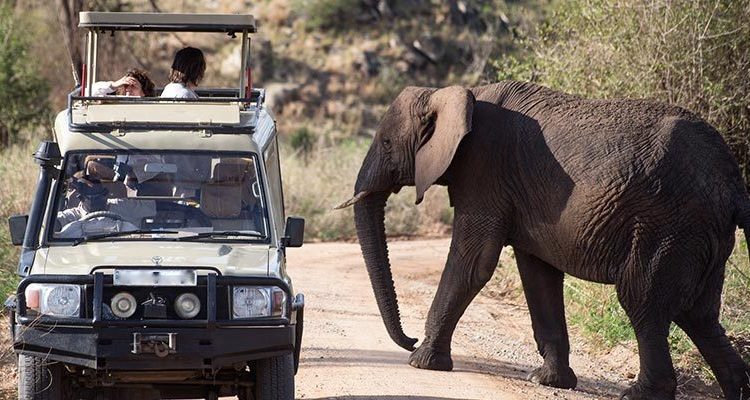
- Elephants: Herds of elephants roam the park’s plains, providing a majestic spectacle for safari-goers.
- Hippos: The Kazinga Channel is teeming with hippos, making it a prime spot for boat safaris.
Other Mammals
- Buffaloes: Large herds of buffaloes graze in the open grasslands.
- Ugandan Kobs: These elegant antelopes are a common sight in the park.
- Warthogs: These quirky creatures add a touch of humor to the safari experience.
Birdwatching Paradise
For bird enthusiasts, Queen Elizabeth National Park is a dream come true. Some of the notable bird species include:
- African Fish Eagle
- Shoebill Stork
- Grey Crowned Crane
- Malachite Kingfisher
Activities to Enjoy in Queen Elizabeth National Park
A Queen Elizabeth safari is more than just a game drive. The park offers a variety of activities to suit every traveler’s interests.
Game Drives
Game drives are the most popular way to explore the park. Early morning and late afternoon drives are ideal for spotting wildlife, as animals are most active during these times.
Boat Safaris on the Kazinga Channel
The Kazinga Channel, which connects Lake Edward and Lake George, is a highlight of any visit to the park. A boat safari along the channel provides close-up views of hippos, crocodiles, and a plethora of bird species.
Chimpanzee Trekking in Kyambura Gorge
The Kyambura Gorge, also known as the “Valley of Apes,” is home to a small population of chimpanzees. Trekking through the lush forest to observe these primates is a truly exhilarating experience.
Exploring the Crater Lakes
The park is dotted with numerous crater lakes, each with its own unique charm. Lake Katwe, for example, is known for its traditional salt mining, while Lake Nyamunuka is a favorite spot for birdwatchers.
Cultural Encounters
Visitors can also engage with the local communities around the park. Cultural tours provide insights into the traditions and lifestyles of the Bakonzo, Basongora, and Banyabindi people.
Best Time to Visit Queen Elizabeth National Park
The park can be visited year-round, but the dry seasons (June to September and December to February) are considered the best times for wildlife viewing. During these months, animals congregate around water sources, making them easier to spot.
Accommodation Options
Queen Elizabeth National Park offers a range of accommodation options to suit different budgets and preferences. From luxury lodges to budget-friendly campsites, visitors can find a place to stay that meets their needs.
Luxury Lodges
- Mweya Safari Lodge
- Kyambura Gorge Lodge
- Ishasha Wilderness Camp
Mid-Range Options
- Enganzi Game Lodge
- Simba Safari Camp
- Bush Lodge
Budget-Friendly Choices
- Pumba Safari Cottages
- Queen Elizabeth Bush Lodge
- Tembo Safari Lodge
Conservation Efforts
Queen Elizabeth National Park is not only a tourist destination but also a vital conservation area. Efforts are being made to protect its ecosystems and wildlife from threats such as poaching and habitat destruction. Visitors are encouraged to practice responsible tourism to help preserve this natural wonder for future generations.
FAQs About Queen Elizabeth Safari
1. What is the best time to visit Queen Elizabeth National Park?
The best time to visit is during the dry seasons, from June to September and December to February, when wildlife viewing is at its peak.
2. Are tree-climbing lions unique to Queen Elizabeth National Park?
Tree-climbing lions are a rare phenomenon, and the Ishasha sector of Queen Elizabeth National Park is one of the few places in the world where they can be observed.
3. How can I book a safari in Queen Elizabeth National Park?
You can book a safari through reputable tour operators or directly with lodges and camps in the park. It’s advisable to plan and book in advance, especially during peak seasons.
4. What should I pack for a safari in Queen Elizabeth National Park?
Essential items include lightweight clothing, comfortable walking shoes, a hat, sunscreen, insect repellent, binoculars, and a camera.
5. Is Queen Elizabeth National Park suitable for families with children?
Yes, the park offers family-friendly activities such as boat safaris and cultural tours. However, parents should ensure that children are supervised at all times, especially during wildlife encounters.
Conclusion
A safari in Queen Elizabeth National Park is a journey into the heart of Africa’s wilderness. With its stunning landscapes, abundant wildlife, and rich cultural heritage, the park offers an experience that is both thrilling and enriching. Whether you’re a seasoned traveler or embarking on your first safari, Queen Elizabeth National Park promises memories that will last a lifetime.