
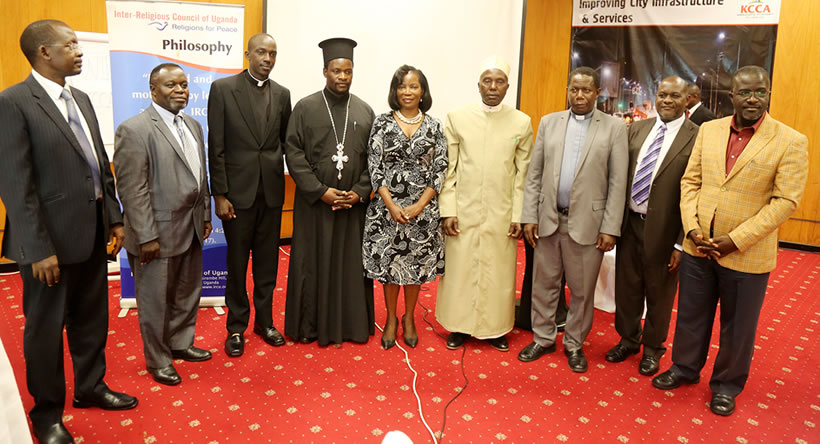
Religious Organizations in Uganda
Religious Organizations in Uganda
Religious Organizations in Uganda: A Comprehensive Overview
Introduction
Uganda, a country located in East Africa, is known for its rich cultural diversity and religious pluralism. Religion plays a significant role in the lives of many Ugandans, and religious organizations have a profound influence on the social, political, and economic fabric of the nation. This article delves into the various religious organizations in Uganda, exploring their history, impact, and the role they play in shaping the country’s future.
The Religious Landscape of Uganda
Uganda is a predominantly religious country, with Christianity and Islam being the two major faiths. According to the Uganda Bureau of Statistics, over 84% of the population identifies as Christian, while approximately 14% are Muslim. Other religious minorities include traditional African religions, Hinduism, and Buddhism.
Christianity in Uganda
Christianity is the dominant religion in Uganda, with a variety of denominations and sects. The most prominent Christian organizations include:
- Roman Catholic Church: The Catholic Church is the largest Christian denomination in Uganda, representing about 39% of the population. It has a long history in Uganda, dating back to the arrival of missionaries in the late 19th century.
- Anglican Church of Uganda: The Anglican Church, also known as the Church of Uganda, is the second-largest Christian denomination, with about 32% of the population adhering to it. The church has a significant influence on Uganda’s education and health sectors.
- Pentecostal and Evangelical Churches: These churches have seen rapid growth in recent years, particularly in urban areas. They emphasize a personal relationship with God, charismatic worship, and evangelism.
- Seventh-day Adventist Church: The Adventist Church is another important Christian denomination in Uganda, known for its emphasis on health, education, and community service.
Islam in Uganda
Islam is the second-largest religion in Uganda, with about 14% of the population identifying as Muslim. The majority of Ugandan Muslims are Sunni, although there is a small Shia minority. Islamic organizations in Uganda include:
- Uganda Muslim Supreme Council (UMSC): The UMSC is the umbrella organization for Muslims in Uganda and plays a key role in coordinating religious activities, education, and social services.
- Tablighi Jamaat: This is a global Islamic missionary movement that has a significant presence in Uganda. It focuses on personal piety and spreading the message of Islam.
- Islamic University in Uganda (IUIU): Established in 1988, IUIU is one of the leading institutions of higher learning in Uganda, offering a range of academic programs with an Islamic foundation.
Traditional African Religions
Although the majority of Ugandans identify as Christian or Muslim, traditional African religions still play an important role in the cultural and spiritual life of many communities. These religions are often characterized by a belief in ancestral spirits, nature worship, and the use of rituals and ceremonies to communicate with the spiritual world.
Other Religious Minorities
Uganda is also home to smaller religious communities, including:
- Hinduism: The Hindu community in Uganda is primarily made up of people of Indian descent, many of whom arrived during the colonial period.
- Buddhism: There is a small but growing Buddhist community in Uganda, largely driven by international influences.
- Bahá’í Faith: Uganda is home to one of the largest Bahá’í communities in Africa, and the Bahá’í Temple in Kampala is a significant landmark.
The Role of Religious Organizations in Uganda
Religious organizations in Uganda play a crucial role in various aspects of society, including education, healthcare, and social services. Many of these organizations run schools, hospitals, and charitable programs that benefit millions of Ugandans.
Education
Religious organizations have been at the forefront of education in Uganda since the colonial era. The Catholic and Anglican churches, in particular, have established numerous schools and universities across the country. Some of the most notable religious-affiliated educational institutions include:
- Makerere University: Although not a religious institution, Makerere University has strong ties to both the Catholic and Anglican churches.
- Uganda Martyrs University: This is a Catholic university that offers a wide range of academic programs.
- Islamic University in Uganda (IUIU): As mentioned earlier, IUIU is a leading institution of higher learning with an Islamic foundation.
Healthcare
Religious organizations also play a significant role in Uganda’s healthcare sector. Many hospitals and clinics are run by religious groups, particularly the Catholic and Anglican churches. These institutions provide essential medical services, especially in rural areas where government healthcare facilities are often lacking.
Social Services and Charity
Religious organizations are heavily involved in charitable activities in Uganda. They provide food, shelter, and other forms of assistance to vulnerable populations, including orphans, widows, and people living with HIV/AIDS. Some of the most prominent religious charities in Uganda include:
- Caritas Uganda: This is the social services arm of the Catholic Church in Uganda, focusing on poverty alleviation, disaster relief, and community development.
- World Vision Uganda: Although not exclusively religious, World Vision is a Christian humanitarian organization that works closely with local churches to provide aid and development programs.
- Muslim Centre for Justice and Law (MCJL): This organization provides legal aid and promotes human rights from an Islamic perspective.
Challenges Facing Religious Organizations in Uganda
Despite their many contributions to society, religious organizations in Uganda face several challenges, including:
- Religious Tensions: Although Uganda is generally peaceful, there have been instances of tension between different religious groups, particularly between Christians and Muslims.
- Government Regulation: The Ugandan government has introduced regulations aimed at curbing the influence of religious organizations, particularly in the wake of scandals involving some Pentecostal churches. These regulations have been met with resistance from religious leaders.
- Financial Constraints: Many religious organizations rely on donations to fund their activities, and financial constraints can limit their ability to provide services.
The Future of Religious Organizations in Uganda
The future of religious organizations in Uganda is likely to be shaped by several factors, including demographic changes, technological advancements, and government policies. As the population continues to grow, religious organizations will need to adapt to the changing needs of Ugandans, particularly in areas such as education, healthcare, and social services.
Embracing Technology
Many religious organizations in Uganda are beginning to embrace technology to reach a wider audience. This includes the use of social media, mobile apps, and online platforms to spread their message and engage with followers.
Interfaith Dialogue
Interfaith dialogue is becoming increasingly important in Uganda as a way to promote peace and understanding between different religious communities. Religious leaders are working together to address common challenges, such as poverty, corruption, and climate change.
Conclusion
Religious organizations in Uganda play a vital role in the country’s social, economic, and political life. From providing education and healthcare to promoting peace and social justice, these organizations are an integral part of Ugandan society. As Uganda continues to evolve, religious organizations will need to adapt to new challenges and opportunities, ensuring that they remain relevant and effective in serving the needs of the people.
FAQ
1. What are the main religious organizations in Uganda?
The main religious organizations in Uganda include the Roman Catholic Church, the Anglican Church of Uganda, Pentecostal and Evangelical Churches, and the Uganda Muslim Supreme Council.
2. How do religious organizations contribute to education in Uganda?
Religious organizations run many schools and universities in Uganda, including Makerere University, Uganda Martyrs University, and the Islamic University in Uganda.
3. What role do religious organizations play in healthcare in Uganda?
Religious organizations operate numerous hospitals and clinics, particularly in rural areas, providing essential medical services to the population.
4. What challenges do religious organizations face in Uganda?
Challenges include religious tensions, government regulation, and financial constraints that limit their ability to provide services.
5. How are religious organizations in Uganda adapting to the future?
Religious organizations are embracing technology and promoting interfaith dialogue to address common challenges and reach a wider audience.