
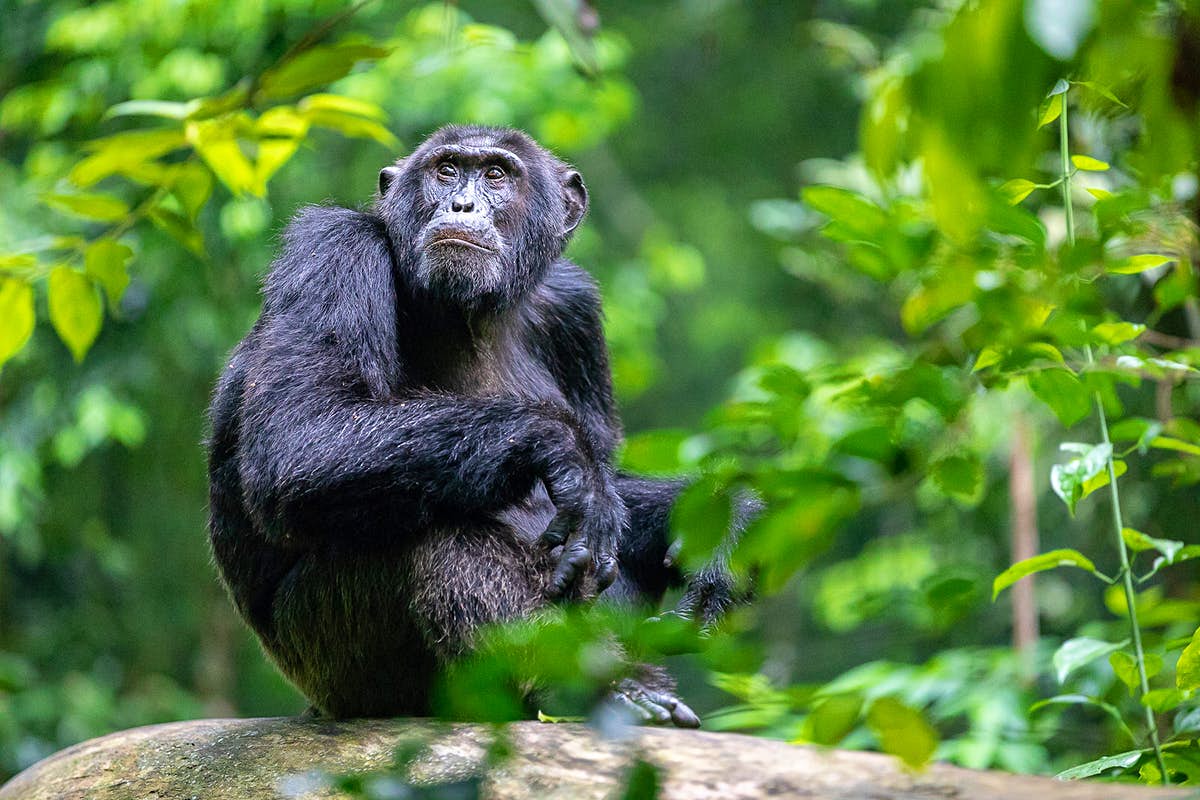
Rwanda Chimpanzee Trekking
Rwanda Chimpanzee Trekking
Rwanda Chimpanzee Trekking: A Primate Adventure into the Heart of Africa
Rwanda, the “Land of a Thousand Hills,” is globally celebrated for its breathtaking landscapes, rich biodiversity, and remarkable conservation efforts. Among its most captivating wildlife experiences is chimpanzee trekking—a thrilling journey into the lush rainforests where humans meet their closest relatives in the animal kingdom. This article explores the depths of Rwanda chimpanzee trekking, offering insights, travel tips, and expert guidance for an unforgettable primate safari.
Why Choose Rwanda for Chimpanzee Trekking?
Rwanda stands out as one of the few countries in Africa where visitors can legally and ethically observe chimpanzees in the wild. The country’s commitment to conservation, combined with its accessible national parks and well-trained guides, makes it a premier destination for primate lovers.
Key Reasons to Trek in Rwanda:
- High chimpanzee population density in key areas like Nyungwe Forest
- Eco-friendly tourism policies that prioritize sustainability
- Experienced rangers and trackers who ensure safe and informative treks
- Stunning rainforest ecosystems teeming with biodiversity
Top Chimpanzee Trekking Destinations in Rwanda
Rwanda offers two main locations for chimpanzee trekking, each with its own unique ecosystem and wildlife experiences.
1. Nyungwe Forest National Park
A sprawling montane rainforest in southwestern Rwanda, Nyungwe Forest is the most popular chimpanzee trekking destination in the country.
Highlights:
- Home to over 500 chimpanzees
- Features 13 primate species, including L’Hoest’s monkeys and colobus monkeys
- Offers a famous canopy walk for panoramic views
- Rich in birdlife, with over 300 species recorded
2. Gishwati-Mukura National Park
This lesser-known gem is ideal for travelers seeking a more intimate and off-the-beaten-path experience.
Highlights:
- Smaller chimpanzee population but fewer tourists
- Recently rehabilitated forest ecosystem
- Excellent for birdwatching and nature walks
Chimpanzee Trekking vs. Gorilla Trekking
While Rwanda is globally known for mountain gorilla trekking, chimpanzee trekking offers a different yet equally rewarding experience.
| Feature | Chimpanzee Trekking | Gorilla Trekking |
|---|---|---|
| Location | Nyungwe & Gishwati | Volcanoes National Park |
| Group Size | Up to 8 people | Up to 8 people |
| Behavior | Fast-moving, vocal | Calm, sedentary |
| Difficulty | Moderate to high | Moderate |
| Cost | More affordable | Premium pricing |
Both experiences are deeply enriching, and many travelers opt to combine them for a comprehensive Rwanda primate safari.
Best Time to Go Chimpanzee Trekking in Rwanda
Rwanda’s equatorial climate allows for year-round trekking, but certain months offer better conditions.
Dry Seasons (Best Time)
- June to September
- December to February
These months offer easier hiking conditions and better visibility.
Wet Seasons (Challenging but Rewarding)
- March to May
- October to November
Trails can be slippery, but the forest is lush, and sightings are still possible.
What to Expect During a Trek
Chimpanzee trekking is a dynamic and immersive experience. Here’s what a typical day looks like:
Early Morning Start
- Treks begin around 5:00–6:00 AM
- Briefing by park rangers on safety and behavior
Entering the Forest
- Guided hike through dense vegetation
- Use of radio communication to locate chimpanzee groups
The Encounter
- Spend up to 1 hour observing the chimps
- Watch them feed, groom, and interact
Return Hike
- Trek back to the starting point
- Opportunity to spot other wildlife and birds
Packing List for Chimpanzee Trekking
Proper gear enhances comfort and safety during your trek. Here’s what to bring:
Clothing
- Lightweight, long-sleeved shirts
- Long trousers (preferably waterproof)
- Sturdy hiking boots
- Rain jacket or poncho
Essentials
- Insect repellent
- Sunscreen and hat
- Daypack with water and snacks
- Binoculars for birdwatching
Optional
- Walking stick
- Camera with zoom lens (no flash)
- Gardening gloves for gripping vegetation
Conservation and Community Impact
Rwanda’s chimpanzee trekking industry is deeply rooted in conservation and community development.
Conservation Efforts
- Protection of endangered chimpanzee habitats
- Anti-poaching patrols and forest monitoring
- Research and data collection on primate behavior
Community Involvement
- Employment of local guides and trackers
- Revenue-sharing programs with nearby villages
- Support for education and healthcare initiatives
By choosing ethical tour operators like Turkana Wildlife Safaris, travelers contribute directly to these efforts.
Booking a Rwanda Chimpanzee Safari
Planning your chimpanzee trekking adventure is easier with expert assistance. Turkana Wildlife Safaris offers tailor-made itineraries that combine comfort, adventure, and conservation.
Sample Itinerary:
Day 1: Arrival in Kigali
Day 2: Transfer to Nyungwe Forest
Day 3: Chimpanzee Trekking + Canopy Walk
Day 4: Nature Walk + Departure
Why Book with Turkana Wildlife Safaris?
- Local expertise and experienced guides
- Ethical and eco-conscious travel practices
- Customizable safari packages
- 24/7 customer support
Explore their Rwanda safari packages for more options.
Frequently Asked Questions
1. How difficult is chimpanzee trekking in Rwanda?
Chimpanzee trekking can be moderately challenging due to the rugged terrain and fast movement of the chimps. A reasonable level of fitness is recommended. Learn more.
2. Do I need a permit for chimpanzee trekking?
Yes, a permit is required and can be obtained through your tour operator or the Rwanda Development Board. Book your permit here.
3. Are children allowed on chimpanzee treks?
Children under 15 are generally not permitted due to safety concerns and the physical demands of the trek. Check the age policy.
4. Can I combine chimpanzee trekking with other activities?
Absolutely! Many travelers combine it with gorilla trekking, game drives, or cultural tours.
5. What is the best way to get to Nyungwe Forest?
The most common route is a 5–6 hour drive from Kigali. Private transfers and charter flights are also available. Plan your route.
Final Thoughts
Rwanda chimpanzee trekking is more than just a wildlife encounter—it’s a journey into the soul of Africa’s ancient rainforests. Whether you’re a seasoned adventurer or a first-time safari-goer, the experience of locking eyes with a wild chimpanzee is transformative. With the guidance of ethical operators like Turkana Wildlife Safaris, you can explore Rwanda’s primate paradise while supporting conservation and local communities.