
Rwanda Cultural Heritage
Rwanda Cultural Heritage
Rwanda Cultural Heritage: A Journey Through Time and Tradition
Introduction
Rwanda, often referred to as the “Land of a Thousand Hills,” is not only celebrated for its breathtaking landscapes but also for its rich and diverse cultural heritage. Rooted in centuries-old traditions, Rwanda’s culture is a vibrant tapestry woven from music, dance, art, and oral history. In this comprehensive exploration, we delve into the heart of Rwanda’s cultural identity, uncovering the elements that make it a unique and enduring legacy.
The Historical Foundations of Rwandan Culture
Pre-Colonial Rwanda: A Kingdom of Tradition
Before colonial influence, Rwanda was a well-organized kingdom with a strong centralized monarchy. The Rwandan monarchy played a pivotal role in shaping the country’s cultural norms, social structures, and governance. The king, known as the “Mwami,” was considered a divine figure, symbolizing unity and continuity.
- Social Structure: Rwanda was divided into clans, each with its own totems and traditions.
- Oral Traditions: Storytelling was a revered art form, preserving history and moral lessons.
- Agricultural Practices: Farming, particularly cattle herding, was central to daily life and cultural expression.
Colonial Impact and Cultural Transformation
The arrival of German and later Belgian colonizers in the late 19th and early 20th centuries introduced significant changes. Colonial rule disrupted traditional governance and social systems, but many cultural practices endured, adapting to new realities.
- Introduction of Christianity: Altered religious practices but also led to syncretism.
- Western Education: Introduced literacy, influencing the transmission of culture.
- Economic Shifts: Transition from subsistence farming to cash crops like coffee and tea.
Key Elements of Rwanda’s Cultural Heritage
Traditional Dance and Music
Dance and music are integral to Rwandan identity. The Intore dance is perhaps the most iconic, characterized by energetic movements and elaborate costumes.
- Intore Dancers: Symbolize bravery and heroism.
- Drumming: The Royal Drummers of Rwanda are world-renowned for their powerful performances.
- Inanga: A traditional string instrument used in storytelling and ceremonies.
Language and Oral Literature
Kinyarwanda, Rwanda’s national language, is a cornerstone of its cultural heritage. Oral literature, including proverbs, poetry, and folktales, plays a crucial role in preserving and transmitting cultural values.
- Folktales: Often feature animals and teach moral lessons.
- Proverbs: Used to convey wisdom succinctly.
- Epic Poetry: Celebrates historical events and heroes.
Art and Craftsmanship
Rwandan art is deeply symbolic and functional. Traditional crafts are not only aesthetic expressions but also serve practical purposes.
- Imigongo Art: Geometric designs made from cow dung and natural pigments.
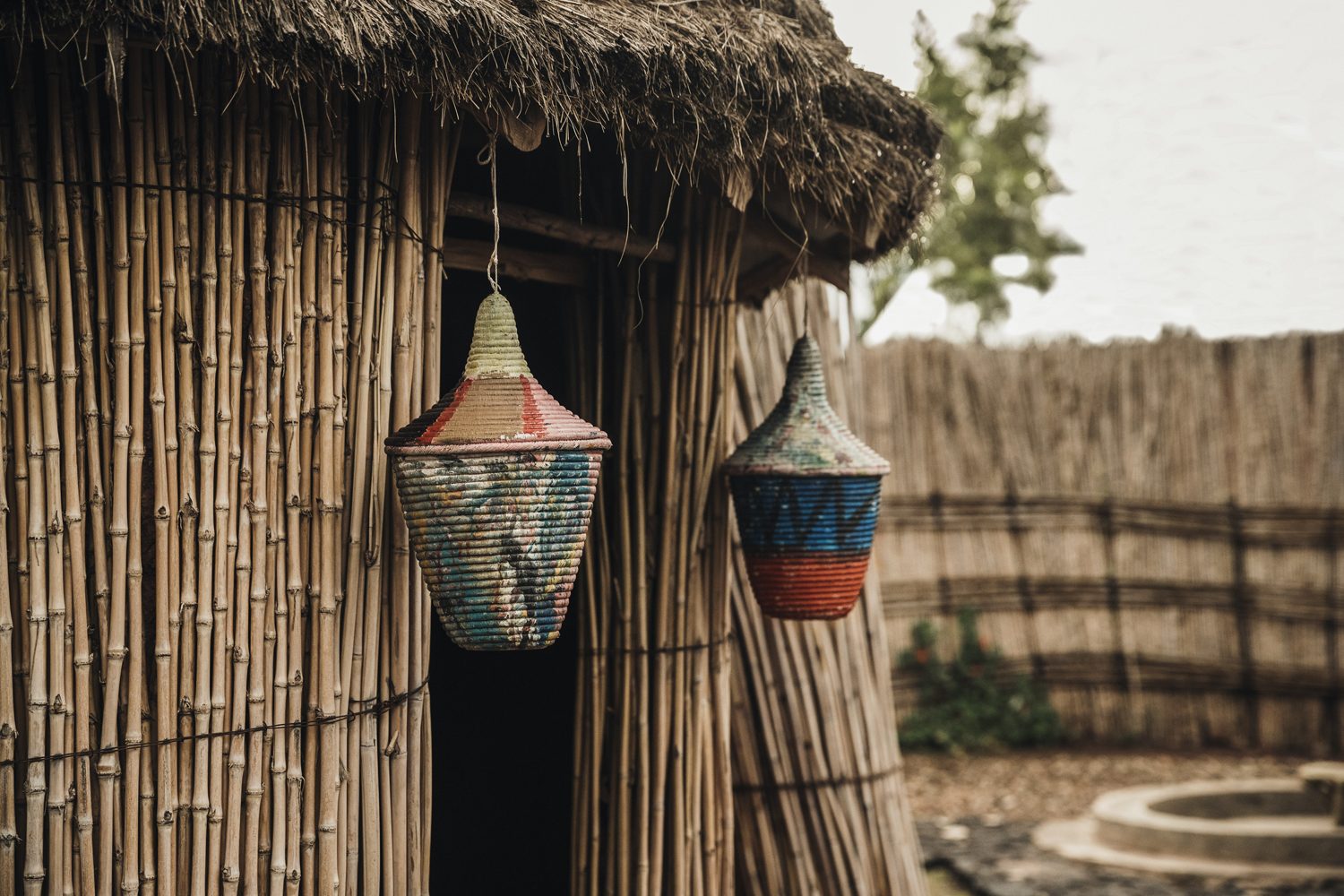
- Basket Weaving: The Agaseke basket symbolizes peace and generosity.
- Pottery and Wood Carving: Reflect daily life and spiritual beliefs.
Traditional Clothing
While modern attire is common, traditional clothing remains significant during ceremonies and festivals.
- Umushanana: A flowing garment worn by women during special occasions.
- Beaded Jewelry: Often signifies social status or clan affiliation.
Rwanda’s Cultural Institutions and Preservation Efforts
Museums and Cultural Centers
Rwanda has invested heavily in preserving its cultural heritage through museums and cultural centers.
- Ethnographic Museum: Located in Huye, it houses an extensive collection of artifacts.
- Kigali Genocide Memorial: While primarily a site of remembrance, it also educates visitors about Rwanda’s resilience and cultural rebirth.
- Rwanda Art Museum: Showcases contemporary and traditional Rwandan art.
Festivals and Celebrations
Festivals are vibrant expressions of Rwanda’s cultural vitality.
- Kwita Izina: A traditional ceremony for naming newborn gorillas, reflecting the importance of wildlife conservation.
- Umuganura: Celebrates the harvest and national unity.
- FESPAD: The Pan-African Dance Festival held in Kigali, promoting cultural exchange.
The Role of Cultural Heritage in Modern Rwanda
National Identity and Unity
Post-genocide Rwanda has placed a strong emphasis on cultural heritage as a means of fostering national unity and healing.
- Cultural Education: Schools incorporate cultural studies into their curricula.
- Community Initiatives: Local communities engage in cultural preservation projects.
- Government Policies: Support for cultural industries and heritage conservation.
Tourism and Economic Development
Cultural tourism is a growing sector in Rwanda’s economy.
- Cultural Villages: Offer immersive experiences for visitors.
- Handicrafts: Provide income for artisans, especially women.
- Cultural Tours: Highlight historical sites, traditional performances, and local crafts.
Challenges and Future Prospects
Threats to Cultural Heritage
Despite efforts, Rwanda’s cultural heritage faces several challenges.
- Globalization: Western influences threaten traditional practices.
- Urbanization: Rapid development can lead to the loss of historical sites.
- Climate Change: Affects traditional agricultural practices and cultural landscapes.
Strategies for Preservation
To safeguard its cultural legacy, Rwanda is implementing various strategies.
- Digital Archiving: Documenting oral histories and traditional knowledge.
- Youth Engagement: Encouraging young people to learn and practice traditional arts.
- International Collaboration: Partnering with global organizations for cultural preservation.
Conclusion
Rwanda’s cultural heritage is a testament to the resilience, creativity, and unity of its people. From the ancient traditions of the Kingdom of Rwanda to the vibrant cultural renaissance of today, Rwanda offers a profound and inspiring journey through time and tradition. As the country continues to evolve, its commitment to preserving and celebrating its rich cultural tapestry ensures that future generations will inherit a legacy of pride and identity.
FAQ: Rwanda Cultural Heritage
1. What are the main components of Rwanda’s cultural heritage?
Rwanda’s cultural heritage encompasses traditional dance and music, oral literature, art and craftsmanship, traditional clothing, and historical governance structures. Institutions like the Ethnographic Museum play a key role in preservation.
2. How does Rwanda preserve its cultural traditions today?
Through museums, cultural festivals, educational programs, and community initiatives, Rwanda actively works to preserve its heritage. Digital archiving and international partnerships also support these efforts.
3. What is the significance of the Intore dance?
The Intore dance symbolizes bravery, strength, and the historical valor of Rwandan warriors. It remains a central feature of cultural celebrations and national pride.
4. How has globalization impacted Rwandan culture?
Globalization has introduced new cultural influences, sometimes threatening traditional practices. However, Rwanda balances modernization with cultural preservation through targeted policies and community engagement.
5. What role does cultural tourism play in Rwanda’s economy?
Cultural tourism significantly contributes to Rwanda’s economy by promoting local crafts, performances, and historical sites. Initiatives like cultural villages and handicraft markets empower local communities and preserve traditions.