
Rwanda Lifestyle
Rwanda Lifestyle
Rwanda Lifestyle: A Deep Dive into Culture, Traditions, and Modern Living
Introduction
Rwanda, often referred to as the “Land of a Thousand Hills,” is a country known for its breathtaking landscapes, rich culture, and resilient people. Over the past few decades, Rwanda has undergone a remarkable transformation, emerging as one of Africa’s fastest-growing economies while maintaining its deep-rooted traditions.
This article explores the lifestyle in Rwanda, from its cultural heritage and daily routines to modern advancements and social dynamics. Whether you’re planning to visit, relocate, or simply learn more about this fascinating country, this guide will provide you with an in-depth understanding of Rwandan life.
Traditional Rwandan Culture
The Importance of Community
Rwandan society is deeply communal, with “Umuganda” (a national day of community service) playing a significant role in fostering unity. Every last Saturday of the month, Rwandans come together to clean streets, build infrastructure, and engage in activities that benefit the community.
Language and Communication
The official languages of Rwanda include:
- Kinyarwanda (the most widely spoken)
- English (used in education and business)
- French (historically significant)
- Swahili (gaining prominence in trade and regional communication)
Rwandans are known for their politeness and respect, often greeting each other with warm handshakes and inquiries about family well-being.
Traditional Clothing
While modern fashion is prevalent, traditional attire is still worn on special occasions. The “Imishanana”, a flowing wrap dress for women, and the “Umushanana” for men, are commonly seen during weddings and cultural ceremonies.
Daily Life in Rwanda
Housing and Urban Development
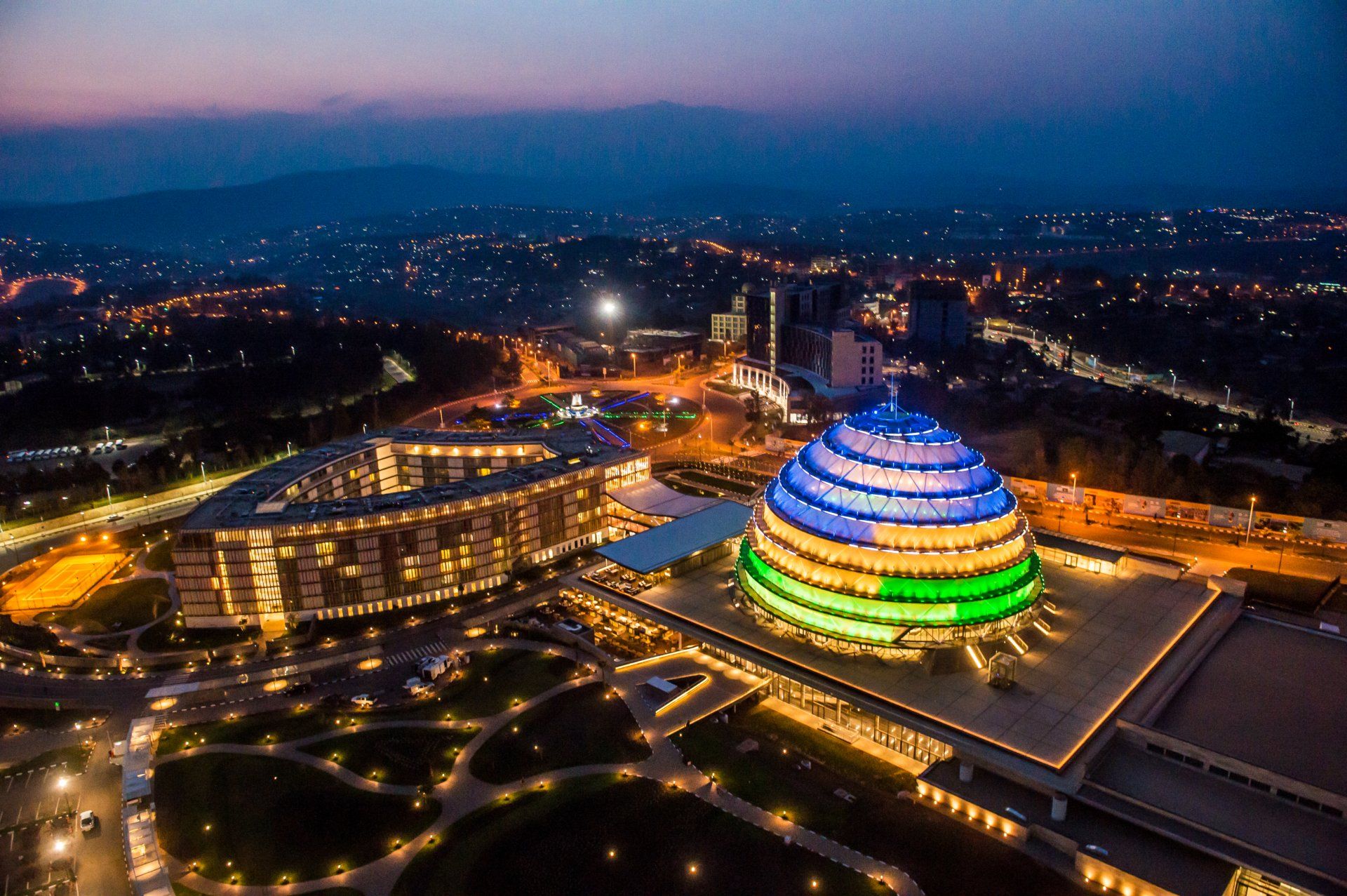
Rwanda has seen rapid urbanization, especially in Kigali, the capital city. The city is known for its clean streets, organized infrastructure, and low crime rates. Rural areas, on the other hand, maintain a more traditional lifestyle, with houses made of mud bricks and thatched roofs.
Food and Cuisine
Rwandan cuisine is simple yet nutritious, with a focus on locally grown produce. Some staple foods include:
- Ugali – A maize-based dish similar to porridge
- Isombe – Cassava leaves cooked with peanuts
- Brochettes – Skewered meat, a popular street food
- Ibihaza – Pumpkin stew
- Milk and dairy products – A significant part of the diet, especially among cattle-keeping communities
Transportation
Rwanda has a well-organized transport system, including:
- Moto-taxis – The most common and affordable mode of transport
- Buses – Connecting major towns and cities
- Car rentals and ride-hailing apps – Available in urban areas
The country’s well-maintained roads and strict traffic laws make traveling safe and efficient.
Modern Rwanda: A Blend of Tradition and Innovation
Education and Literacy
Rwanda has made significant strides in education, with free primary schooling and increasing access to higher education. Institutions like the University of Rwanda and Carnegie Mellon University Africa are shaping the next generation of professionals.
Technology and Innovation
The country is positioning itself as a tech hub in Africa, with initiatives such as:
- Smart Kigali – Free Wi-Fi in public spaces
- Cashless payments – Encouraged for financial transactions
- Drone technology – Used for medical supply deliveries
Healthcare and Well-being
Rwanda boasts a universal healthcare system, ensuring that even rural populations have access to medical services. The country has also made remarkable progress in combating diseases like malaria and HIV/AIDS.
Social Life and Entertainment
Music and Dance
Rwandan music blends traditional drumming, gospel, and modern Afrobeat. The Intore Dance, a warrior dance featuring elaborate movements, is a highlight of cultural performances.
Festivals and Events
Some of the most celebrated events in Rwanda include:
- Kigali Up Festival – Showcasing local and international artists
- Gorilla Naming Ceremony (Kwita Izina) – A conservation-focused event
- Rwanda Film Festival – Promoting African cinema
Sports and Recreation
Football and basketball are widely followed, with Rwanda hosting international tournaments. The Tour du Rwanda, a cycling race, attracts global participants and highlights the country’s scenic beauty.
Sustainable Living and Environmental Conservation
Rwanda is a leader in environmental conservation, implementing policies such as:
- Plastic bag ban – One of the first African countries to enforce this
- Reforestation projects – Aiming to increase forest cover
- Eco-tourism – Promoting sustainable travel experiences
Conclusion
Rwanda’s lifestyle is a unique blend of tradition, modernity, and resilience. From its strong sense of community to its rapid technological advancements, the country continues to inspire the world with its progress. Whether you’re drawn to its rich culture, economic opportunities, or breathtaking landscapes, Rwanda offers a fulfilling and dynamic way of life.
Frequently Asked Questions (FAQ)
1. What is the cost of living in Rwanda?
The cost of living in Rwanda is relatively affordable compared to Western countries. Rent, food, and transportation are reasonably priced, especially outside Kigali.
2. Is Rwanda safe for tourists and expatriates?
Yes, Rwanda is considered one of the safest countries in Africa, with low crime rates and well-enforced laws.
3. What are the main industries in Rwanda?
Key industries include agriculture, tourism, technology, and manufacturing.
4. How is the healthcare system in Rwanda?
Rwanda has a universal healthcare system, ensuring access to medical services for all citizens.
5. What is the best time to visit Rwanda?
The best time to visit is during the dry seasons (June to September and December to February) when the weather is pleasant for outdoor activities.
Rwanda’s lifestyle is a testament to its rich history, cultural pride, and forward-thinking vision. Whether you’re exploring its vibrant cities or serene countryside, the country offers a truly unique experience.