
Rwanda National Parks
Rwanda National Parks
Exploring the Natural Wonders of Rwanda: A Guide to the National Parks
Introduction
Rwanda, a landlocked country in East Africa, is known for its stunning landscapes, vibrant culture, and incredible biodiversity. While it may be most famous for its mountain gorillas, Rwanda is also home to a network of national parks that showcase the country’s natural wonders. In this comprehensive guide, we will take you on a journey through Rwanda’s national parks, highlighting their unique features, wildlife, and conservation efforts. Whether you are a nature enthusiast, adventure seeker, or wildlife lover, Rwanda’s national parks offer a truly unforgettable experience.
1. Volcanoes National Park
Overview
Located in the northwest corner of Rwanda, Volcanoes National Park is a haven for biodiversity and is best known for its population of endangered mountain gorillas. The park covers an area of approximately 160 square kilometers and is part of the larger Virunga Conservation Area, which spans Rwanda, Uganda, and the Democratic Republic of Congo. Volcanoes National Park is characterized by its lush rainforests, towering volcanoes, and breathtaking vistas.
Wildlife
The star attraction of Volcanoes National Park is undoubtedly the mountain gorillas. With only around 1,000 individuals left in the world, seeing these majestic creatures in their natural habitat is a once-in-a-lifetime experience. Other wildlife species that can be found in the park include golden monkeys, black-fronted duikers, and a variety of bird species. The park also supports a rich diversity of flora, including bamboo forests, lobelias, and giant heathers.
Conservation Efforts
Volcanoes National Park has been at the forefront of gorilla conservation efforts for several decades. Through initiatives such as anti-poaching patrols, community-based conservation programs, and sustainable tourism practices, the park has played a crucial role in protecting the endangered mountain gorillas and their habitat. Visitors to the park can also participate in gorilla trekking experiences, which contribute to the conservation efforts and provide valuable funding for the park’s ongoing initiatives.
2. Akagera National Park
Overview
Situated in the eastern part of Rwanda, Akagera National Park is a diverse and scenic wilderness area that encompasses savannah plains, lakes, and swamps. Spanning over 1,200 square kilometers, the park is named after the Akagera River, which flows along its eastern boundary. Akagera National Park is a testament to Rwanda’s commitment to conservation and is a success story of wildlife restoration.
Wildlife
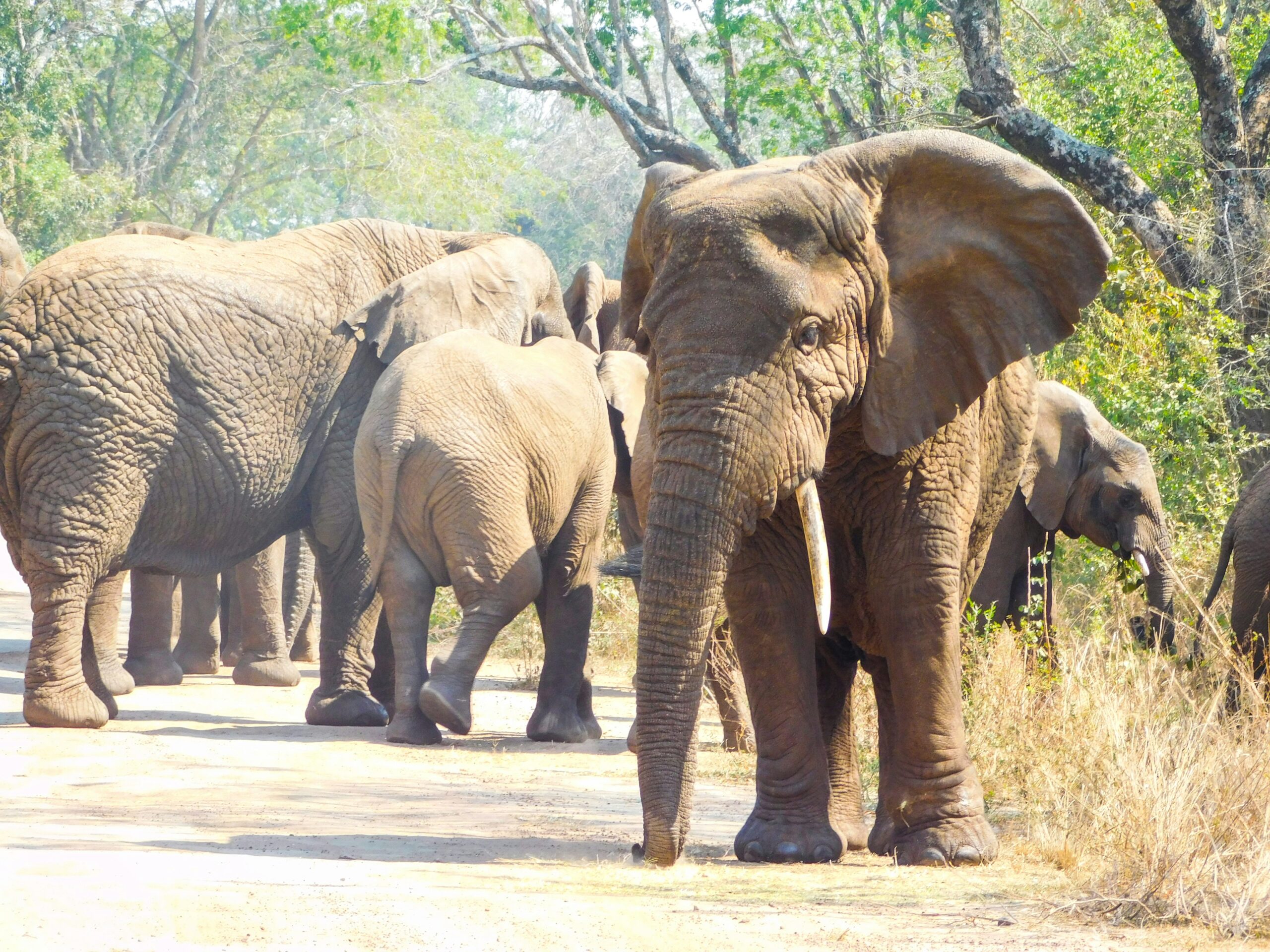
Akagera National Park is home to a wide array of wildlife, including the “Big Five” – elephants, lions, leopards, buffalos, and rhinos. Thanks to successful reintroduction efforts, both lions and rhinos have made a comeback in the park after years of absence. Other notable species found in Akagera include zebras, giraffes, hippos, crocodiles, and a variety of antelope species. The park is also a birdwatcher’s paradise, with over 500 bird species recorded.
Conservation Efforts
Akagera National Park has undergone a remarkable transformation in recent years, thanks to a partnership between the Rwandan government and African Parks, a non-profit conservation organization. Together, they have implemented various conservation strategies, including anti-poaching measures, habitat restoration, and community engagement programs. As a result, the park’s wildlife populations have rebounded, and the local communities have benefited from tourism revenue and employment opportunities.
3. Nyungwe National Park
Overview
Nestled in the southwestern part of Rwanda, Nyungwe National Park is a pristine rainforest that is often referred to as the “Jewel of Rwanda.” Covering an area of approximately 1,020 square kilometers, Nyungwe is one of the largest montane rainforests in East Africa. The park is renowned for its biodiversity, ancient trees, and stunning waterfalls.
Wildlife
Nyungwe National Park is a haven for primates, with 13 different species calling the forest home. This includes chimpanzees, which are one of the park’s main attractions. Other primate species found in Nyungwe include colobus monkeys, vervet monkeys, and L’Hoest’s monkeys. The park is also home to a wide variety of bird species, butterflies, and reptiles.
Conservation Efforts
Nyungwe National Park is committed to preserving its unique ecosystem and promoting sustainable tourism. The park has implemented various conservation measures, including anti-poaching patrols, reforestation projects, and community-based initiatives. Visitors to Nyungwe can participate in guided hikes, birdwatching tours, and canopy walks, all of which contribute to the park’s conservation efforts.
4. Gishwati-Mukura National Park
Overview
Located in thenorthwestern part of Rwanda, Gishwati-Mukura National Park is a relatively new addition to the country’s national park system. Established in 2015, the park covers an area of approximately 34 square kilometers and is known for its lush forests, waterfalls, and diverse wildlife.
Wildlife
Gishwati-Mukura National Park is home to a wide variety of wildlife, including several primate species such as chimpanzees, golden monkeys, and L’Hoest’s monkeys. The park also supports a rich bird population, with over 232 bird species recorded. Other notable species found in the park include duikers, bushbucks, and servals.
Conservation Efforts
Gishwati-Mukura National Park is a testament to Rwanda’s commitment to reforestation and habitat restoration. The park was established as part of the country’s efforts to restore the degraded Gishwati and Mukura forests, which had suffered from deforestation and land degradation in the past. Through reforestation projects, community engagement, and sustainable tourism practices, the park aims to protect its unique ecosystem and promote biodiversity conservation.
5. Rugezi Marsh
Overview
While not officially designated as a national park, Rugezi Marsh is a wetland area of significant ecological importance in Rwanda. Located in the northern part of the country, near the border with Uganda, Rugezi Marsh covers an area of approximately 1,000 hectares and is home to a diverse range of plant and animal species.
Wildlife
Rugezi Marsh is a haven for birdwatchers, with over 100 bird species recorded in the area. This includes several species of waterbirds, such as herons, egrets, and storks. The marsh also supports a variety of mammals, including otters, mongooses, and antelopes. The wetland ecosystem provides a vital habitat for these species and plays a crucial role in maintaining the region’s ecological balance.
Conservation Efforts
Rugezi Marsh is recognized as an Important Bird Area (IBA) by BirdLife International, highlighting its significance for bird conservation. Efforts are underway to protect and preserve the marsh’s unique ecosystem, including the establishment of buffer zones and the promotion of sustainable land use practices. Local communities are also involved in conservation initiatives, recognizing the importance of the marsh for their livelihoods and the overall health of the ecosystem.
Frequently Asked Questions (FAQ)
Q: How can I visit the national parks in Rwanda?
- A: To visit the national parks in Rwanda, you can book a guided tour through a reputable tour operator or travel agency. They will arrange all the necessary permits, transportation, and accommodations for your trip.
Q: What is the best time to visit Rwanda’s national parks?
- A: The best time to visit Rwanda’s national parks is during the dry season, which runs from June to September and December to February. During this time, the weather is generally pleasant, and wildlife sightings are more common.
Q: Are there any age restrictions for gorilla trekking in Volcanoes National Park?
- A: Yes, there is a minimum age requirement of 15 years for gorilla trekking in Volcanoes National Park. This is to ensure the safety and well-being of both the visitors and the gorillas.
Q: Can I combine visits to multiple national parks in Rwanda?
- A: Yes, it is possible to combine visits to multiple national parks in Rwanda. Many tour operators offer customized itineraries that allow you to explore different parks and experience their unique attractions.
Q: How does tourism contribute to the conservation efforts in Rwanda’s national parks?
- A: Tourism plays a crucial role in supporting the conservation efforts in Rwanda’s national parks. The revenue generated from park fees, permits, and tourism activities is used to fund conservation projects, anti-poaching efforts, and community development initiatives.
Conclusion
Rwanda’s national parks are a testament to the country’s commitment to conservation and sustainable tourism. From the iconic mountain gorillas of Volcanoes National Park to the diverse wildlife of Akagera and Nyungwe, each park offers a unique and unforgettable experience. As you explore these natural wonders, remember to respect the wildlife and their habitats, and support the ongoing conservation efforts. Whether you are a nature lover, adventure seeker, or simply curious about Rwanda’s natural heritage, a visit to these national parks is sure to leave you in awe of the country’s natural beauty.