
Rwanda Safari Activities
Rwanda Safari Activities
Ultimate Guide to Rwanda Safari Activities: Discover the Land of a Thousand Hills
Introduction
Nestled in the heart of East Africa, Rwanda is a breathtaking destination that offers more than just scenic beauty. Known as the “Land of a Thousand Hills,” this small yet vibrant country is a haven for nature lovers, wildlife enthusiasts, and adventure seekers. From the misty rainforests of Volcanoes National Park to the serene waters of Lake Kivu, Rwanda safari activities offer a unique blend of biodiversity, culture, and unforgettable experiences.
In this comprehensive guide, we delve into the top Rwanda safari activities, highlighting the best places to visit, what to expect, and how to make the most of your journey. Whether you’re planning your first African safari or looking to explore a lesser-known gem, this article is your go-to resource for everything Rwanda has to offer.
Why Choose Rwanda for Your Safari?
Rwanda stands out among African safari destinations for several compelling reasons:
- Home to the endangered mountain gorillas in Volcanoes National Park.
- Safe and politically stable, with excellent infrastructure for tourism.
- Compact geography allows for diverse experiences in a short time.
- Commitment to conservation and eco-tourism.
- Rich cultural heritage and warm hospitality.
Rwanda’s commitment to sustainable tourism and wildlife conservation makes it a model for responsible travel. The country’s national parks are well-managed, and visitor numbers are carefully controlled to minimize environmental impact.
Top Rwanda Safari Activities
1. Gorilla Trekking in Volcanoes National Park
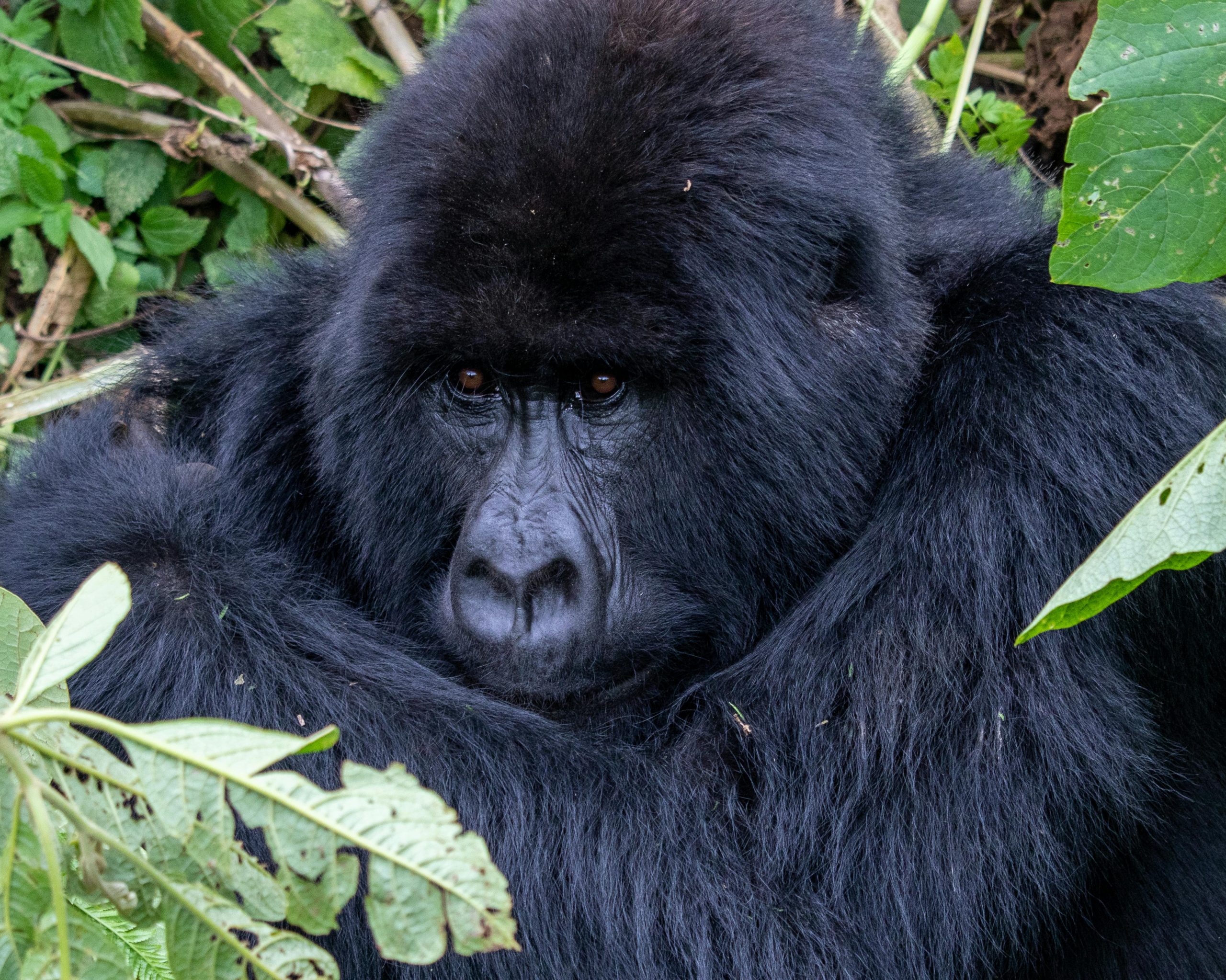
One of the most iconic safari experiences in Rwanda is gorilla trekking. Located in the northwest, Volcanoes National Park is home to over a third of the world’s remaining mountain gorillas.
Highlights:
- Guided treks through dense rainforest.
- Close encounters with habituated gorilla families.
- Educational briefings by expert guides and trackers.
Tips:
- Permits are required and limited—book early.
- Physical fitness is essential due to rugged terrain.
- Best time to visit: June to September and December to February.
2. Chimpanzee Tracking in Nyungwe Forest National Park
Nyungwe is a pristine rainforest teeming with biodiversity. It’s renowned for its population of chimpanzees and other primates.
What to Expect:
- Early morning treks to locate chimpanzee troops.
- Sightings of other primates like colobus monkeys and L’Hoest’s monkeys.
- Birdwatching opportunities with over 300 species recorded.
Don’t Miss:
- The Canopy Walkway—a suspended bridge offering panoramic views of the forest.
3. Big Five Game Drives in Akagera National Park
For classic savannah safari experiences, Akagera National Park is the place to be. This park has undergone remarkable restoration and now hosts the Big Five: lions, leopards, elephants, rhinos, and buffalo.
Safari Activities Include:
- Morning and evening game drives.
- Boat safaris on Lake Ihema.
- Night drives for nocturnal wildlife.
Wildlife Highlights:
- Giraffes, zebras, hippos, crocodiles, and over 500 bird species.
4. Birdwatching Across Rwanda
Rwanda is a birdwatcher’s paradise, with over 700 recorded species. From wetlands to high-altitude forests, the country offers diverse habitats for avian life.
Top Birding Locations:
- Nyungwe Forest National Park.
- Akagera National Park.
- Rugezi Swamp and Gishwati-Mukura National Park.
Species to Spot:
- Red-collared babbler.
- Grauer’s swamp warbler.
- Shoebill stork.
5. Cultural Encounters and Community Tours
Beyond wildlife, Rwanda offers rich cultural experiences that provide insight into its history and traditions.
Must-Do Cultural Activities:
- Visit the Iby’Iwacu Cultural Village near Volcanoes National Park.
- Participate in traditional dance and drumming.
- Learn about local crafts, farming, and cuisine.
Other Cultural Sites:
- Kigali Genocide Memorial.
- Ethnographic Museum in Huye.
- King’s Palace Museum in Nyanza.
Best Time to Visit Rwanda for Safari
Rwanda’s equatorial climate makes it a year-round destination, but certain months are better for specific activities.
| Season | Months | Best For |
|---|---|---|
| Dry Season | June–September, December–February | Gorilla trekking, game drives |
| Wet Season | March–May, October–November | Birdwatching, lush landscapes |
Safari Itineraries: Sample Tours
7-Day Rwanda Safari Itinerary
Day 1: Arrival in Kigali
Day 2: Transfer to Volcanoes National Park
Day 3: Gorilla trekking
Day 4: Golden monkey tracking
Day 5: Transfer to Nyungwe Forest
Day 6: Chimpanzee tracking and canopy walk
Day 7: Return to Kigali and departure
10-Day Wildlife and Culture Tour
- Volcanoes National Park (gorillas + golden monkeys)
- Lake Kivu (relaxation and water activities)
- Nyungwe Forest (chimpanzees + birds)
- Akagera National Park (Big Five safari)
- Kigali city tour and cultural visits
Where to Stay: Top Safari Lodges in Rwanda
Volcanoes National Park
- Bisate Lodge – Luxury eco-lodge with stunning views.
- Sabyinyo Silverback Lodge – Community-owned and operated.
Nyungwe Forest
- One&Only Nyungwe House – High-end lodge within a tea plantation.
- Nyungwe Top View Hill Hotel – Mid-range option with panoramic vistas.
Akagera National Park
- Magashi Camp – Exclusive safari camp by Wilderness Safaris.
- Ruzizi Tented Lodge – Eco-friendly and intimate.
Travel Tips for a Rwanda Safari
- Health: Yellow fever vaccination may be required. Malaria prophylaxis is recommended.
- Packing: Lightweight clothing, waterproof gear, hiking boots, binoculars.
- Currency: Rwandan Franc (RWF); credit cards accepted in major hotels.
- Language: Kinyarwanda, French, and English are widely spoken.
- Safety: Rwanda is one of the safest countries in Africa for tourists.
Sustainable Tourism in Rwanda
Rwanda is a global leader in eco-tourism and conservation. The country has implemented policies that prioritize:
- Wildlife protection through anti-poaching efforts.
- Community involvement in tourism revenue sharing.
- Plastic-free initiatives and environmental education.
By choosing Rwanda, you’re supporting a model of tourism that benefits both people and the planet.
Frequently Asked Questions (FAQ)
1. Is Rwanda safe for tourists?
Yes, Rwanda is considered one of the safest countries in Africa. The government prioritizes security, and the tourism infrastructure is well-developed.
2. How much does gorilla trekking cost?
A gorilla trekking permit in Rwanda costs $1,500 per person. This fee supports conservation and local communities.
3. What should I wear for safari activities?
Wear neutral-colored, lightweight clothing. For gorilla trekking, long sleeves, waterproof jackets, and sturdy hiking boots are essential.
4. Can I combine Rwanda with other East African safaris?
Absolutely. Rwanda is well-connected to Uganda, Kenya, and Tanzania. Many travelers combine gorilla trekking with the Serengeti or Maasai Mara.
5. Do I need a visa to enter Rwanda?
Most nationalities can obtain a visa on arrival or apply online. Rwanda also offers an East African Tourist Visa, valid for Kenya, Uganda, and Rwanda.
Conclusion
Rwanda is a safari destination like no other. Its compact size, rich biodiversity, and commitment to sustainable tourism make it ideal for travelers seeking meaningful and unforgettable experiences. Whether you’re tracking mountain gorillas in misty forests, cruising through savannahs in search of lions, or immersing yourself in vibrant local culture, Rwanda safari activities promise adventure, connection, and awe at every turn.
So pack your bags, lace up your boots, and prepare to discover the magic of Rwanda—the beating heart of Africa.