
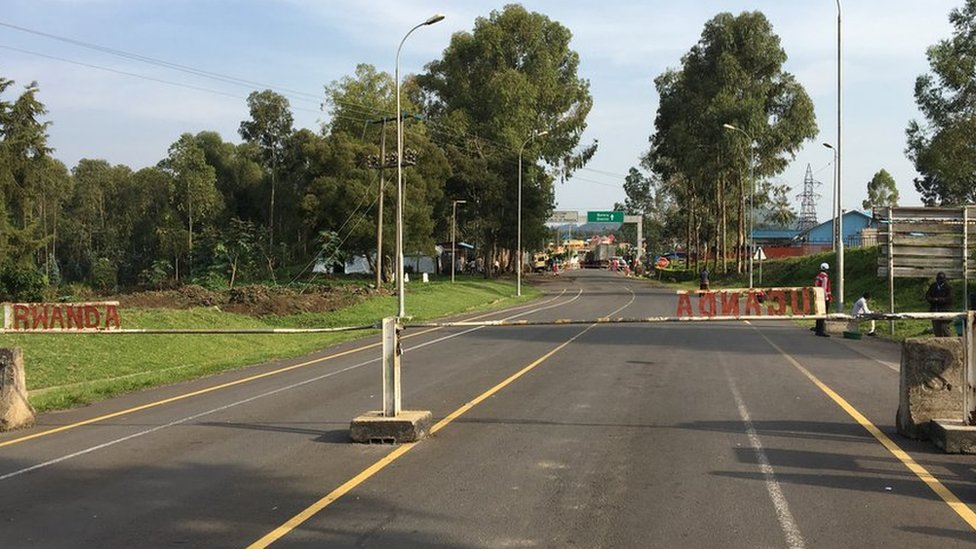
Rwanda to Uganda Border Crossing
Rwanda to Uganda Border Crossing
Rwanda to Uganda Border Crossing: A Complete Guide for Travelers and Traders
Crossing the border between Rwanda and Uganda is a journey that blends natural beauty, cultural richness, and strategic economic importance. Whether you’re a backpacker exploring East Africa, a businessperson involved in cross-border trade, or a local commuter, understanding the nuances of this border crossing is essential. This comprehensive guide will walk you through everything you need to know about the Rwanda-Uganda border crossing—from documentation and customs procedures to travel tips and frequently asked questions.
Overview of the Rwanda-Uganda Border
The Rwanda–Uganda border stretches approximately 169 kilometers, cutting through lush landscapes, rural communities, and vital trade routes. It plays a pivotal role in East African geopolitics and regional integration under the East African Community (EAC).
This border has seen periods of both collaboration and tension, most notably with the temporary closure in 2019 due to diplomatic disputes. However, as of 2022, the border has reopened, and relations have largely normalized, allowing for smoother movement of people and goods.
Key Border Posts and Crossing Points
There are several official crossing points between Rwanda and Uganda, but the most prominent ones include:
1. Gatuna – Katuna Border Post
- Location: Northern Rwanda (Gicumbi District) to Southern Uganda (Kabale District)
- Significance: This is the main commercial route, heavily used by cargo trucks and buses.
- Facilities: Modern one-stop border post (OSBP) with streamlined immigration and customs.
2. Cyanika – Kisoro Border Post
- Location: Musanze District (Rwanda) to Kisoro District (Uganda)
- Best For: Tourists heading to Bwindi Impenetrable Forest or Mgahinga Gorilla National Park.
- Scenery: Offers breathtaking views of the Virunga Mountains.
3. Kagitumba – Mirama Hills Border Post
- Location: Eastern Rwanda (Nyagatare District) to Ntungamo District (Uganda)
- Notable For: Agricultural trade and regional development projects.
Required Travel Documents
To cross from Rwanda into Uganda or vice versa, travelers must have the appropriate documentation. Here’s what you need:
For Citizens of EAC Member States:
- National ID cards (for citizens of Rwanda, Uganda, Kenya)
- EAC e-passport (recommended for faster processing)
For Foreign Nationals:
- Valid passport
- Visa (depending on nationality)
- East Africa Tourist Visa (valid for Kenya, Rwanda, and Uganda)
💡 Tip: Apply for the East Africa Tourist Visa if you plan to visit multiple countries in the region.
Customs and Immigration Procedures
The border posts are equipped with One-Stop Border Posts (OSBPs), where immigration and customs for both countries are handled in a single facility. This reduces waiting times and enhances efficiency.
Customs Declarations:
- Personal items: Usually exempt from duty
- Commercial goods: Require proper documentation and may be subject to inspection
- Prohibited items: Firearms, narcotics, counterfeit goods
Immigration Checks:
- Biometric data: Fingerprints and photos may be taken
- Health checks: Especially during outbreaks (e.g., COVID-19, Ebola)
Transport Options and Accessibility
By Bus:
- Kigali to Kampala: Several bus companies operate this route, including:
By Private Car:
- Ensure your vehicle has:
- Valid insurance (COMESA Yellow Card)
- Temporary import permit (TIP)
- Reflective triangles and fire extinguisher
By Motorcycle (Boda Boda):
- Common for local crossings
- Ensure compliance with helmet and licensing regulations
Safety and Health Considerations
Health Requirements:
- Yellow fever vaccination: Mandatory for entry into Uganda
- COVID-19 protocols: May include testing or vaccination proof
- Malaria prevention: Use mosquito nets and repellents
Security:
- Border areas are generally safe, but always:
- Avoid traveling at night
- Keep valuables secure
- Stay updated on travel advisories from your embassy
Trade and Economic Significance
The Rwanda-Uganda border is a lifeline for regional trade, with thousands of tons of goods crossing daily. Key exports and imports include:
Rwanda Exports to Uganda:
- Cement
- Tea and coffee
- Processed foods
Uganda Exports to Rwanda:
- Fuel and petroleum products
- Grains and cereals
- Livestock
The border is also central to the Northern Corridor, a trade route connecting landlocked countries like Rwanda, Burundi, and South Sudan to the Kenyan port of Mombasa.
Cultural and Social Dynamics at the Border
Border towns like Gatuna and Kisoro are melting pots of cultures, languages, and traditions. Shared ethnic groups such as the Banyarwanda and Bakiga live on both sides, fostering cross-border kinship and commerce.
Languages Spoken:
- Kinyarwanda
- Luganda
- English
- Swahili
Local Markets:
- Offer a vibrant mix of Rwandan and Ugandan crafts, foods, and textiles
- Great places to experience local cuisine and hospitality
Tips for a Smooth Border Crossing
- Arrive early: Border posts are busiest between 10 AM and 4 PM
- Carry cash: Some facilities may not accept cards
- Dress modestly: Respect local customs and avoid flashy attire
- Double-check visa requirements: Especially if you’re a third-country national
- Be patient: Delays can occur, especially during holidays or peak hours
Frequently Asked Questions (FAQ)
1. Can I cross the Rwanda-Uganda border with just a national ID?
Yes, if you are a citizen of an EAC member state, you can use your national ID to cross. However, a passport is still recommended for international travel.
2. Is the Rwanda-Uganda border open 24/7?
No. Most border posts operate from 6:00 AM to 6:00 PM, though hours may vary. Always check with the respective immigration offices before traveling.
3. Do I need a visa to travel between Rwanda and Uganda?
It depends on your nationality. Citizens of EAC countries do not need a visa. Others may apply for a single-entry visa or the East Africa Tourist Visa.
4. Are there any COVID-19 travel restrictions?
As of 2024, most restrictions have been lifted, but travelers should carry proof of vaccination or a recent negative test. Check with the Ministry of Health Rwanda and Uganda Ministry of Health for updates.
5. Is it safe to travel across the Rwanda-Uganda border?
Generally, yes. However, always stay informed through official government sources and avoid political demonstrations or unrest-prone areas.
Final Thoughts
The Rwanda to Uganda border crossing is more than just a geographical transition—it’s a gateway to economic opportunity, cultural exchange, and unforgettable travel experiences. With the right preparation, your journey across this East African frontier can be smooth, enriching, and safe.
Whether you’re navigating the bustling Gatuna-Katuna crossing, heading to the misty gorilla trails of Cyanika, or transporting goods through Kagitumba, this border serves as a vital artery in the heart of Africa.