
Rwanda to Uganda Gorilla Trekking
Rwanda to Uganda Gorilla Trekking
Rwanda to Uganda Gorilla Trekking: The Ultimate Cross-Border Primate Adventure
Introduction
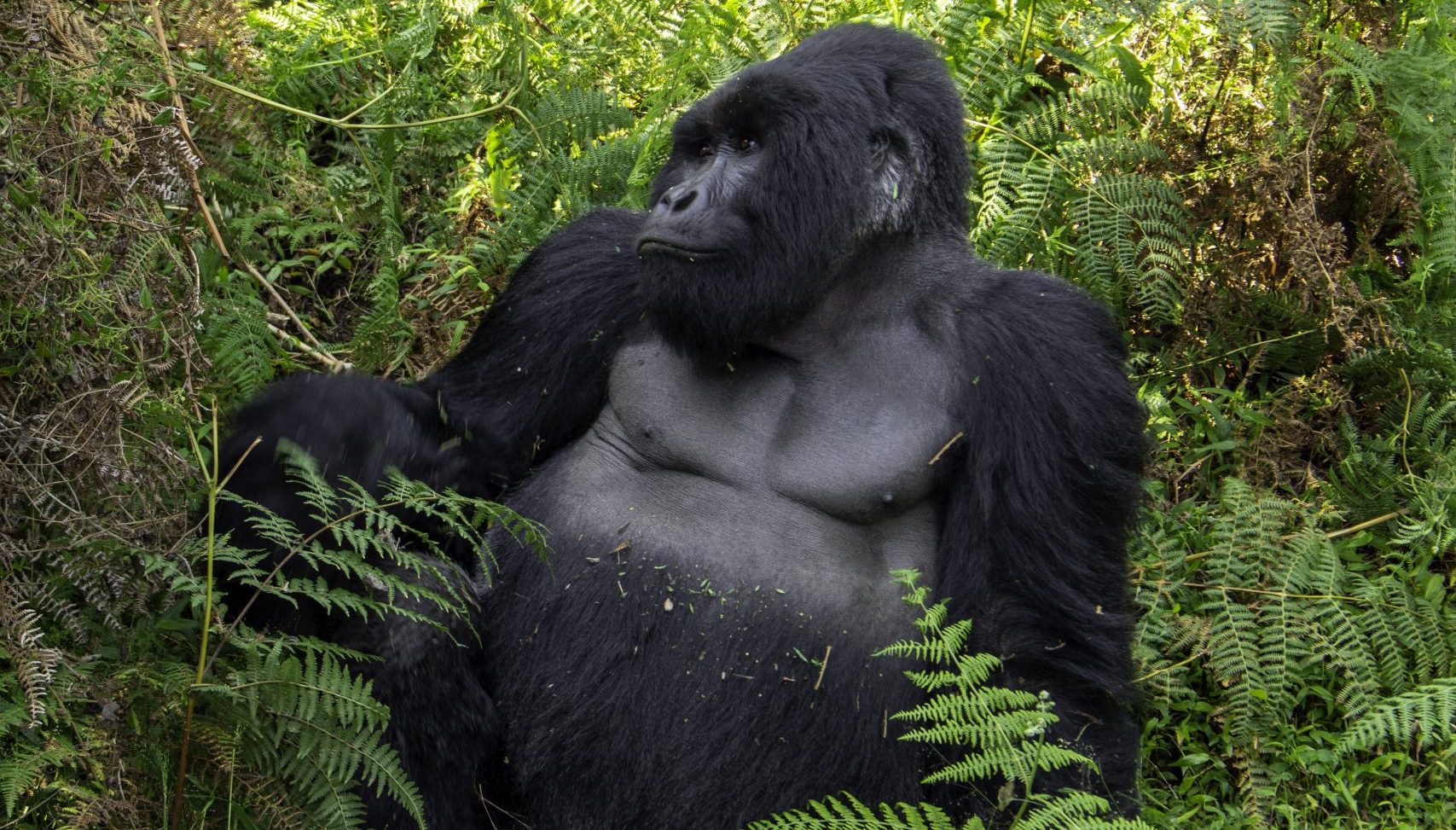
Embarking on a gorilla trekking journey from Rwanda to Uganda is more than just a wildlife expedition—it’s a transformative experience that immerses you in the heart of Africa’s most pristine rainforests. This cross-border adventure offers travelers a rare opportunity to witness the majestic mountain gorillas in their natural habitat, while also exploring the vibrant cultures, breathtaking landscapes, and rich biodiversity of both Rwanda and Uganda.
In this comprehensive guide, we’ll delve deep into everything you need to know about gorilla trekking from Rwanda to Uganda. From the best trekking routes and permit costs to travel logistics and conservation efforts, this article is your ultimate resource for planning an unforgettable gorilla safari.
Why Choose a Cross-Border Gorilla Trekking Experience?
Unique Wildlife Encounters
While both Rwanda and Uganda offer exceptional gorilla trekking experiences, combining the two allows for a more diverse and enriching wildlife encounter. Rwanda’s Volcanoes National Park and Uganda’s Bwindi Impenetrable Forest are home to different habituated gorilla families, each with unique behaviors and social structures.
Cost-Effective Permits
One of the main reasons travelers opt to trek in Uganda after arriving in Rwanda is the significant difference in permit costs. As of 2024:
- Rwanda gorilla permit: $1,500 USD per person
- Uganda gorilla permit: $800 USD per person
This price difference makes Uganda a more budget-friendly option, especially for those planning a longer safari.
Scenic Overland Journey
The drive from Rwanda’s capital, Kigali, to Uganda’s Bwindi Impenetrable National Park takes approximately 4–5 hours. Along the way, travelers are treated to stunning views of the Virunga Mountains, terraced hillsides, and rural African life—making the journey itself a highlight of the trip.
Planning Your Gorilla Trekking Safari
Best Time to Visit
Gorilla trekking is a year-round activity, but the best times to visit are during the dry seasons:
- June to September
- December to February
These months offer better trail conditions and higher chances of clear sightings.
Required Permits and Booking
Permits are mandatory for gorilla trekking and must be booked in advance through:
Due to high demand and limited availability, it’s recommended to book your permits at least 6 months in advance.
Entry Requirements
To cross from Rwanda into Uganda, you’ll need:
- A valid passport
- A visa for Uganda
- A Yellow Fever vaccination certificate
Consider applying for the East African Tourist Visa, which allows multiple entries between Rwanda, Uganda, and Kenya for 90 days.
Gorilla Trekking Destinations: Rwanda vs. Uganda
Volcanoes National Park (Rwanda)
Located in the northwestern region of Rwanda, Volcanoes National Park is renowned for its accessibility and luxury tourism infrastructure. The park is home to 12 habituated gorilla families and offers relatively short trekking distances, making it ideal for travelers with limited time or mobility.
Highlights:
- Home to the famous Susa group studied by Dian Fossey
- High-end lodges and eco-resorts
- Cultural experiences with the Iby’Iwacu Cultural Village
Bwindi Impenetrable National Park (Uganda)
Bwindi is a UNESCO World Heritage Site and one of the most biologically diverse forests in Africa. It hosts over 450 mountain gorillas—almost half of the world’s population—and 21 habituated families available for trekking.
Highlights:
- More affordable permits
- Longer, more challenging treks
- Rich birdlife and endemic flora
- Community-run tourism initiatives
The Gorilla Trekking Experience
What to Expect on the Day
Your trek begins early in the morning with a briefing from park rangers. Groups of 8 are assigned to a specific gorilla family, and the trek can last anywhere from 1 to 6 hours depending on the gorillas’ location.
Once you find the gorillas:
- You’ll spend 1 hour observing them at a safe distance (7 meters)
- Photography is allowed, but flash is prohibited
- Rangers will guide you on how to behave to avoid disturbing the animals
Physical Requirements
Gorilla trekking can be physically demanding. Trails are often steep, muddy, and at high altitudes. It’s advisable to:
- Train with cardio and strength exercises before your trip
- Hire a local porter to carry your gear and assist on difficult terrain
- Wear proper hiking boots and carry a walking stick
Conservation and Ethical Tourism
Gorilla trekking plays a vital role in the conservation of mountain gorillas. A significant portion of permit fees goes toward:
- Anti-poaching patrols
- Veterinary care
- Community development
- Ranger salaries
By participating in a responsible trekking experience, you directly contribute to the survival of these endangered primates.
Tips for Ethical Trekking:
- Follow ranger instructions at all times
- Do not touch the gorillas
- Avoid visiting if you’re sick (gorillas are susceptible to human diseases)
- Support local communities by purchasing crafts or hiring local guides
Accommodations and Travel Logistics
Where to Stay
In Rwanda:
In Uganda:
Getting There
From Kigali to Bwindi:
- Private transfer (4–5 hours)
- Fly-in safaris via Aerolink Uganda to Kihihi or Kisoro airstrips
From Entebbe to Bwindi:
- Domestic flights (1 hour)
- Overland drive (8–10 hours)
Cultural Experiences Along the Way
Enhance your gorilla trekking adventure with immersive cultural activities:
- Visit the Batwa pygmies in Uganda
- Explore Kigali Genocide Memorial
- Participate in banana beer brewing or traditional dance performances
- Shop for handcrafted souvenirs in local markets
Packing List for Gorilla Trekking
- Waterproof hiking boots
- Long-sleeved shirts and trousers
- Rain jacket or poncho
- Gardening gloves (for gripping vegetation)
- Reusable water bottle
- Energy snacks
- Binoculars and camera (no flash)
- Insect repellent and sunscreen
- Personal first aid kit
Sample Itinerary: 5-Day Rwanda to Uganda Gorilla Safari
Day 1: Arrival in Kigali, city tour, overnight stay
Day 2: Transfer to Bwindi via Cyanika border
Day 3: Gorilla trekking in Bwindi, community visit
Day 4: Optional second trek or nature walk
Day 5: Return to Kigali, departure
Frequently Asked Questions (FAQ)
1. Is it safe to travel from Rwanda to Uganda for gorilla trekking?
Yes. Both countries are politically stable and prioritize tourist safety. Reputable tour operators ensure secure border crossings and guided transfers.
2. Can I see gorillas in both countries on the same trip?
Absolutely. Many travelers choose to trek in both Volcanoes National Park and Bwindi Impenetrable Forest for a richer experience.
3. What is the age limit for gorilla trekking?
The minimum age is 15 years old in both Rwanda and Uganda. This is to ensure the safety of both the trekkers and the gorillas.
4. How physically demanding is gorilla trekking?
It varies. Some treks are short and easy, while others involve steep climbs and dense forest. Hiring a porter and preparing physically can make the experience more enjoyable.
5. Are there any health precautions I should take?
Yes. A Yellow Fever vaccination is required. Also, carry anti-malarial medication, stay hydrated, and avoid trekking if you have a cold or flu.
Final Thoughts
Gorilla trekking from Rwanda to Uganda is a once-in-a-lifetime journey that combines adventure, conservation, and cultural immersion. Whether you’re drawn by the allure of the misty mountains, the thrill of encountering a silverback, or the chance to support sustainable tourism, this cross-border safari promises memories that will last a lifetime.
By choosing this route, you not only maximize your experience but also contribute to the protection of one of the world’s most endangered species. So lace up your boots, grab your camera, and prepare for an awe-inspiring encounter with the gentle giants of Africa.