
Rwanda Tribal Customs
Rwanda Tribal Customs
Exploring Rwanda’s Tribal Customs: A Deep Dive into Cultural Heritage
Introduction
Rwanda, often referred to as the “Land of a Thousand Hills,” is a nation rich in culture, tradition, and history. Nestled in the heart of East Africa, Rwanda’s tribal customs are a tapestry woven from centuries of tradition, resilience, and communal values. Understanding these customs offers profound insights into the social fabric that binds Rwandans together even today.
In this comprehensive exploration, we will delve into the intricate world of Rwanda’s tribal customs, their historical significance, and how they continue to shape modern Rwandan society.
The Ethnic Composition of Rwanda
Rwanda’s population is primarily composed of three ethnic groups:
- Hutu: Traditionally agriculturalists, forming the majority.
- Tutsi: Historically cattle herders and often associated with aristocracy.
- Twa: Indigenous pygmy people, known for their pottery and hunting skills.
Despite their distinct origins, these groups share a common language, Kinyarwanda, and many cultural practices, blurring the lines between them over centuries.
Traditional Social Structures
The Role of the Clan (Umuryango)
In Rwandan society, the clan, or umuryango, is a fundamental social unit. Each clan is composed of several lineages (ubwoko), and membership is patrilineal. Clans serve various functions:
- Conflict resolution within communities
- Marriage alliances to strengthen social ties
- Mutual support during crises
Some of the major clans include the Abega, Abanyiginya, and Abazigaba, each with its own rich history and legends.
The Importance of Kinship
Kinship ties dictate social obligations and rights. Extended families often live in close proximity, fostering a strong sense of community and mutual responsibility.
Marriage Customs and Rituals
Marriage in Rwanda is not merely a union between two individuals but a bond between two families. Traditional Rwandan marriages involve several elaborate customs:
Bride Price (Inkwano)
The inkwano is a symbolic bride price, traditionally paid in cattle but now often represented by money or other valuable goods. It signifies respect and gratitude to the bride’s family.
Introduction Ceremony (Gusaba)
The gusaba is a formal introduction where the groom’s family requests the bride’s hand. This event is marked by:
- Negotiations between family elders
- Exchange of gifts
- Traditional songs and dances
Wedding Celebrations
Weddings are vibrant affairs featuring:
- Traditional intore dancers performing warrior dances
- Feasts with local delicacies like brochettes and ibihaza
- Storytelling sessions recounting family histories
Rwandan Naming Customs
Names in Rwanda carry deep significance, often reflecting circumstances of birth, aspirations, or ancestral heritage. Common practices include:
- Naming ceremonies held shortly after birth
- Names reflecting emotions or events, such as Niyonzima (“God has given me peace”)
- Patronymic naming, where the father’s name influences the child’s surname
Traditional Beliefs and Spirituality
Before the advent of Christianity and Islam, Rwandans practiced indigenous beliefs centered around:
- Imana: The supreme creator deity
- Spirits of ancestors: Revered and consulted through rituals
- Nature spirits: Associated with rivers, forests, and mountains
Ritual specialists, such as abapfumu (healers) and abacwezi (mediums), played crucial roles in mediating between the spiritual and physical worlds.
Art, Music, and Dance
Artistic expression is integral to Rwandan tribal customs:
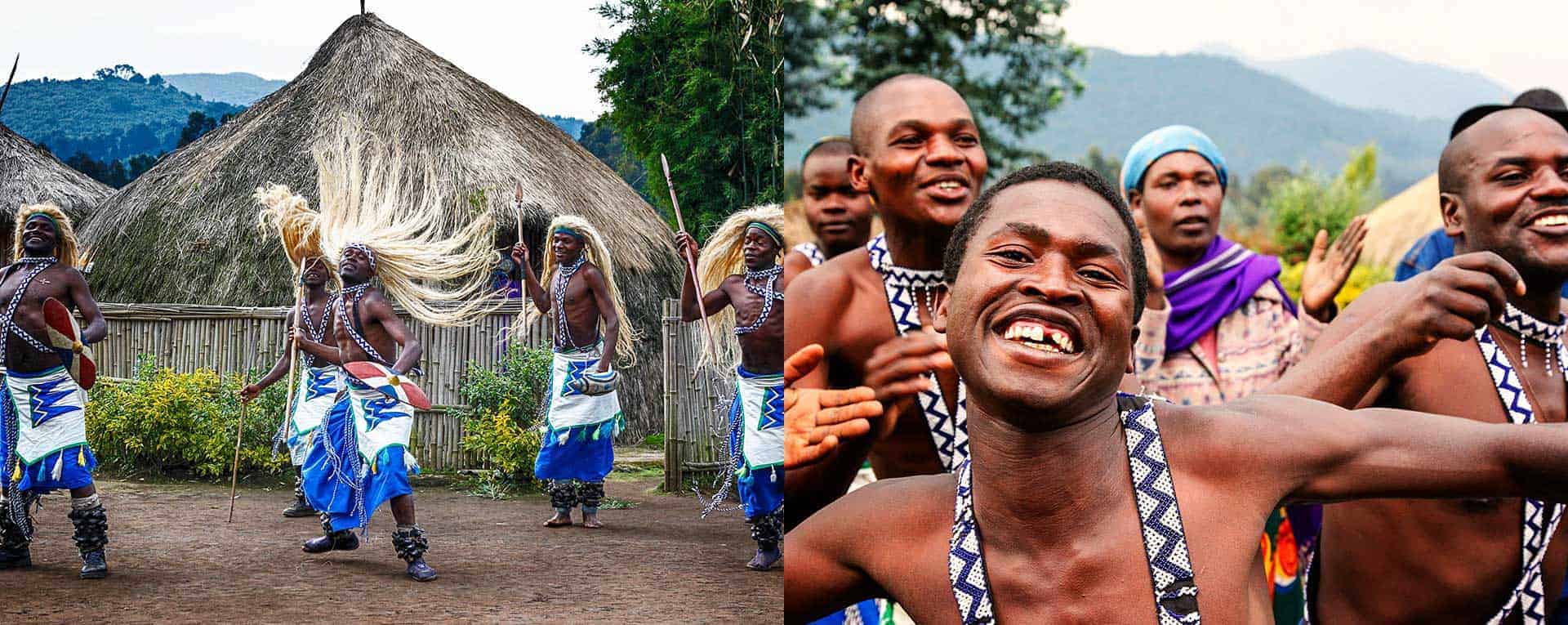
Traditional Dance (Intore)
The intore dance is a spectacular performance characterized by:
- Graceful movements symbolizing bravery and strength
- Elaborate costumes with grass wigs and spears
- Drumming ensembles providing rhythmic accompaniment
Music and Storytelling
Music is often accompanied by instruments like the inanga (a traditional harp) and the ikembe (thumb piano). Storytelling sessions, known as ibitekerezo, preserve historical narratives and moral lessons.
Agricultural Customs and Communal Work
Agriculture is the backbone of Rwandan life. Traditional practices emphasize:
- Ubudehe: A communal labor system where neighbors assist each other in farming tasks
- Seasonal festivals celebrating harvests and honoring the earth
- Sacred groves maintained as spiritual sites and biodiversity reserves
Conflict Resolution and Justice Systems
Traditional justice systems, particularly Gacaca courts, played a pivotal role in conflict resolution. These community-based courts:
- Encouraged truth-telling and reconciliation
- Involved community participation in judging cases
- Focused on restorative justice rather than punitive measures
Modern Influence and Preservation of Customs
Despite modernization, Rwanda has made concerted efforts to preserve its tribal customs:
- Cultural centers like the Ethnographic Museum in Huye
- National festivals such as Umuganura, celebrating the harvest
- Educational programs teaching traditional crafts and dances
Challenges to Traditional Customs
Several factors pose challenges to the preservation of tribal customs:
- Urbanization leading to the erosion of communal living
- Globalization introducing foreign cultural influences
- Historical trauma, particularly the 1994 genocide, which disrupted social structures
Nonetheless, Rwanda’s resilience and commitment to cultural heritage remain strong.
The Future of Rwanda’s Tribal Customs
Looking ahead, Rwanda is embracing a model that blends tradition with innovation:
- Digitization of oral histories
- Promotion of cultural tourism
- Integration of traditional values into modern governance
This approach ensures that Rwanda’s rich tribal customs continue to thrive for generations to come.
Frequently Asked Questions (FAQ)
1. What are the main tribes in Rwanda?
Rwanda is primarily composed of three ethnic groups: Hutu, Tutsi, and Twa. Despite historical distinctions, they share a common language and many cultural practices.
2. What is the significance of the Gacaca courts?
The Gacaca courts were community-based justice systems aimed at promoting reconciliation and restorative justice after the 1994 genocide.
3. How is marriage traditionally conducted in Rwanda?
Traditional Rwandan marriage involves a series of rituals, including the gusaba (introduction ceremony), payment of inkwano (bride price), and vibrant wedding celebrations featuring traditional music and dance.
4. What role does dance play in Rwandan culture?
Dance, particularly the Intore dance, is a vital form of expression in Rwanda, symbolizing bravery, celebration, and cultural identity.
5. How is Rwanda preserving its tribal customs today?
Rwanda preserves its tribal customs through initiatives like cultural festivals, museums, educational programs, and the promotion of cultural tourism.
Conclusion
Rwanda’s tribal customs are a testament to the nation’s rich cultural heritage and enduring spirit. From the intricate clan systems to the vibrant dances and communal values, these traditions offer a window into the soul of Rwanda. As the country strides confidently into the future, it carries with it the wisdom and beauty of its ancestral past, ensuring that the legacy of its tribal customs remains alive and vibrant.