
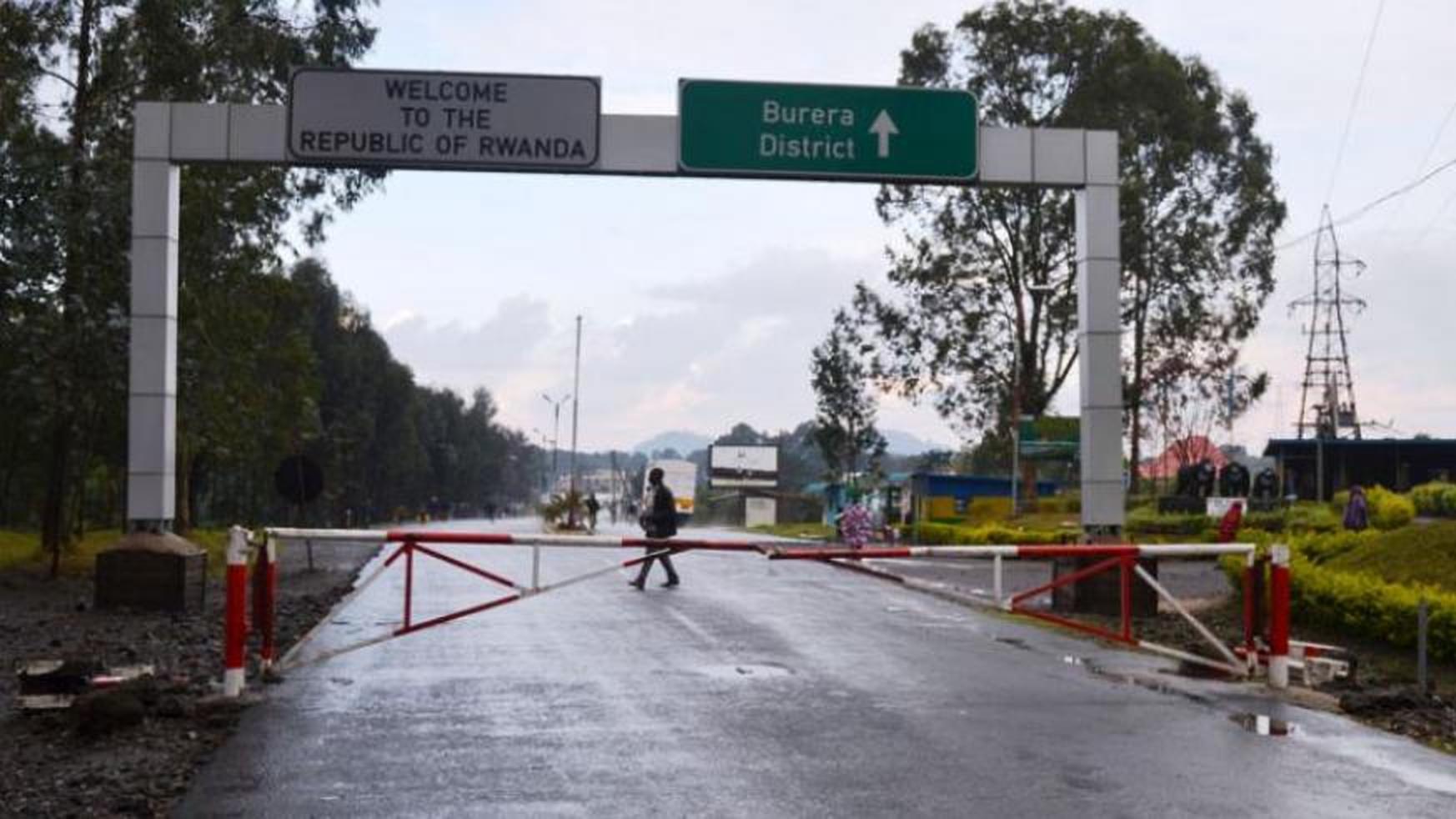
Rwanda Uganda Border
Rwanda Uganda Border
Rwanda-Uganda Border: A Comprehensive Guide to History, Tensions, Trade & Travel
Introduction
The Rwanda-Uganda border is more than a mere geographical demarcation—it is a dynamic frontier that has witnessed historical alliances, political tensions, economic exchanges, and social transformations. Spanning approximately 169 kilometers, this boundary has played a pivotal role in shaping the bilateral relations between two of East Africa’s most influential nations.
In this in-depth article, we will explore the multifaceted dimensions of the Rwanda-Uganda border, including its historical context, geopolitical significance, economic implications, and the current state of affairs.
Historical Background
The origins of the Rwanda-Uganda border trace back to the colonial era, when European powers carved up Africa with little regard for ethnic or cultural boundaries. Rwanda was under German and later Belgian control, while Uganda was ruled by the British. The arbitrary lines drawn during the Scramble for Africa laid the foundation for future tensions.
Key Historical Milestones
- 1890s: Colonial demarcation begins under the Berlin Conference agreements.
- 1910: The boundary between British Uganda and German East Africa (which included Rwanda) is formalized.
- 1962: Uganda gains independence from Britain.
- 1962: Rwanda becomes independent from Belgium.
This shared colonial past has had a lasting impact on the political and social dynamics between the two nations.
Geopolitical Significance
The Rwanda-Uganda border holds immense geopolitical value in the Great Lakes region of Africa. Both countries are strategically located, and their interactions influence regional stability, security, and economic integration.
Strategic Importance
- Gateway to the East African Community (EAC): The border facilitates trade and movement within the EAC bloc.
- Military Cooperation and Conflict: Both nations have supported rebel groups in each other’s territories at various times.
- Influence in the Democratic Republic of Congo (DRC): Rwanda and Uganda have historically vied for influence in the resource-rich eastern DRC.
These factors make the border a focal point of regional diplomacy and international interest.
Border Disputes and Diplomatic Tensions
The 2019 Border Closure
In February 2019, Rwanda closed the Gatuna/Katuna border post, citing security concerns and accusing Uganda of harboring anti-Rwandan elements. Uganda, in turn, accused Rwanda of espionage and illegal activities on its soil.
Key Issues
- Alleged Support for Rebel Groups: Rwanda accused Uganda of backing the Rwanda National Congress (RNC), a rebel group.
- Arrests and Deportations: Citizens from both countries were detained or deported, escalating tensions.
- Economic Fallout: Trade between the two nations plummeted, affecting livelihoods and regional commerce.
Diplomatic Mediation
Efforts to resolve the impasse included mediation by Angolan President João Lourenço and Congolese President Félix Tshisekedi. The signing of the Luanda Memorandum of Understanding in August 2019 was a step toward normalization.
Trade and Economic Impact
The Rwanda-Uganda border is a vital artery for trade in East Africa. Before the 2019 closure, Uganda was one of Rwanda’s top trading partners, with exports ranging from agricultural products to manufactured goods.
Major Trade Commodities
- From Uganda to Rwanda:
- Maize
- Sugar
- Cement
- Fuel
- From Rwanda to Uganda:
- Tea
- Coffee
- Handicrafts
- Processed foods
Economic Corridors
- Northern Corridor: Connects Uganda to the Kenyan port of Mombasa, with Rwanda relying on this route for imports.
- Central Corridor: Offers an alternative through Tanzania, used more frequently during border tensions.
The closure of the border had a ripple effect on regional trade, highlighting the interdependence of East African economies.
Border Crossings and Travel Information
There are several official border posts between Rwanda and Uganda, each with varying levels of infrastructure and traffic.
Major Border Posts
- Gatuna/Katuna: The busiest and most developed crossing, linking Kigali to Kampala.
- Cyanika: Located in the north, connects Musanze (Rwanda) to Kisoro (Uganda).
- Mirama Hills/Kagitumba: A modern one-stop border post facilitating smoother trade and travel.
Travel Requirements
- Passport: Required for all travelers.
- Visa: Citizens of EAC member states do not require a visa.
- COVID-19 Protocols: Subject to change; travelers should check with official government sources.
For up-to-date travel advisories, visit the Rwanda Directorate General of Immigration and Emigration and Uganda Immigration Services.
Security and Surveillance
Given the history of conflict and espionage accusations, the Rwanda-Uganda border is heavily monitored.
Security Measures
- Joint Border Patrols: Occasionally conducted to ensure stability.
- Surveillance Technology: Use of drones, CCTV, and biometric systems.
- Customs Inspections: Rigorous checks to prevent smuggling and illegal crossings.
Security remains a top priority for both nations, especially in light of regional instability and cross-border criminal activities.
Cultural and Social Interactions
Despite political tensions, the people of Rwanda and Uganda share deep cultural, linguistic, and familial ties.
Shared Cultural Elements
- Languages: Kinyarwanda and Luganda are widely spoken across the border.
- Ethnic Groups: The Banyarwanda community spans both nations.
- Intermarriage: Common among border communities.
These social bonds often transcend political disputes, fostering grassroots peacebuilding and mutual understanding.
Recent Developments
Reopening of the Border
In January 2022, Rwanda reopened the Gatuna border post, signaling a thaw in relations. This move followed high-level diplomatic engagements and the appointment of Uganda’s first son, Lt. Gen. Muhoozi Kainerugaba, as a special envoy to Rwanda.
Ongoing Cooperation
- Joint Infrastructure Projects: Plans to improve roads and customs facilities.
- Security Dialogues: Continued efforts to address mutual concerns.
- Trade Resumption: Gradual normalization of commercial activities.
These developments suggest a cautious but optimistic path forward.
FAQs
1. Why was the Rwanda-Uganda border closed in 2019?
The closure stemmed from mutual accusations of espionage, support for rebel groups, and mistreatment of citizens. Rwanda cited security threats, while Uganda pointed to illegal activities by Rwandan agents.
2. Is the Rwanda-Uganda border open now?
Yes, the Gatuna/Katuna border was reopened in January 2022, and other crossings have resumed operations under improved diplomatic relations.
3. What are the main goods traded across the border?
Key exports include maize, sugar, cement, tea, coffee, and processed foods. The border is a crucial trade route within the East African Community.
4. Can I travel between Rwanda and Uganda without a visa?
Citizens of EAC member states can travel visa-free. However, a valid passport and adherence to health protocols are required.
5. What are the major border posts between Rwanda and Uganda?
The main crossings are Gatuna/Katuna, Cyanika, and Mirama Hills/Kagitumba. Each has varying levels of infrastructure and traffic volume.
Conclusion
The Rwanda-Uganda border is a microcosm of East Africa’s complex interplay of history, politics, economics, and culture. While past tensions have strained relations, recent efforts signal a renewed commitment to cooperation and integration. As both nations continue to navigate their shared future, the border remains a critical space for diplomacy, development, and dialogue.
For those interested in regional geopolitics, trade, or travel, understanding the nuances of this border is essential. Stay informed through reliable sources and keep an eye on this evolving frontier that continues to shape the destiny of East Africa.