
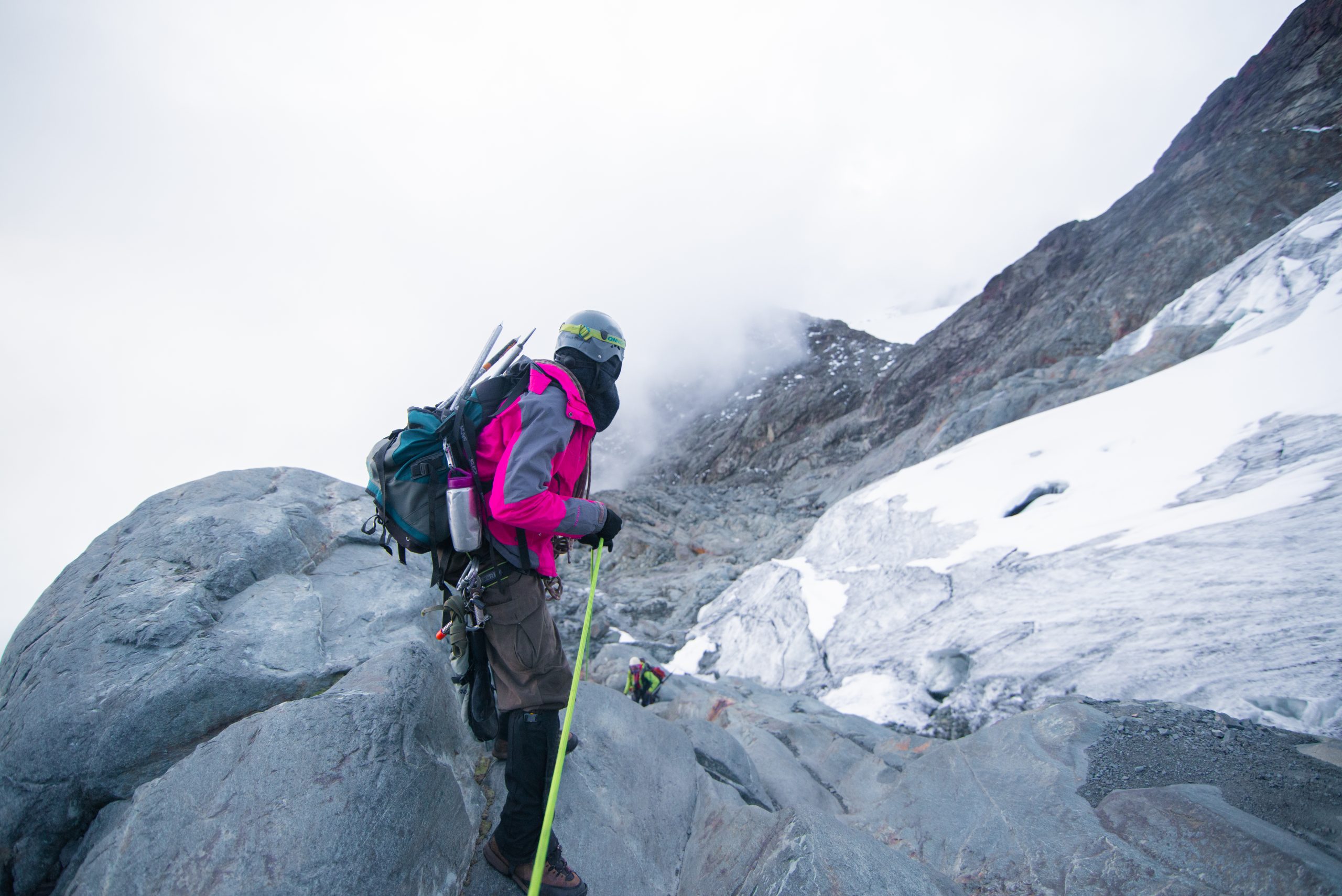
Rwenzori Mountains Hiking Expedition
Rwenzori Mountains Hiking Expedition
Rwenzori Mountains Hiking Expedition: An Expert Guide to Conquering the “Mountains of the Moon” with Turkana Wildlife Safaris
Introduction: Why the Rwenzoris Belong on Every Serious Trekker’s List
The Rwenzori Mountains rise like a myth given geological form—mist-wrapped ridgelines, dripping equatorial forests, and high-alpine landscapes crowned with glaciers astride the Uganda–DRC border. Often called the “Mountains of the Moon,” this range offers a rarer kind of adventure: not a single sweeping panorama from a dusty trail, but a layered journey through ecosystems that change dramatically with each day’s ascent.
A well-planned Rwenzori mountains hiking expedition is not simply a hike—it is an immersion into one of Africa’s most biodiverse mountain environments, where footpaths thread between giant lobelias, moss-laden heather, and glacial valleys. And because the terrain is famously wet, rugged, and technical in places, partnering with an experienced operator can be the difference between a hard trip and a great expedition.
If you’re looking to combine expertise, logistics, and region-wide safari know-how, consider planning with Turkana Wildlife Safaris, a travel company known for curated East African adventures that can be paired with Uganda’s primate tracking and classic savannah circuits.
What Makes a Rwenzori Mountains Hiking Expedition Unique?
A Multi-Zone Trek Through “Vertical Africa”
Unlike many high mountains where the scenery changes slowly, the Rwenzoris feel like moving through distinct worlds:
- Lowland forest: humid, dense, bird-rich
- Montane forest: ferns, waterfalls, and thick undergrowth
- Bamboo and heather zone: cooler air, moss and lichens
- Afro-alpine zone: surreal vegetation, bogs, rocky ridges
- Glacial and summit zone (routes permitting): snowfields and ice
This vertical ecology is the signature of the range and one of the core reasons the Rwenzoris are listed as a UNESCO World Heritage ecosystem (often referenced as part of the broader protected area concept).
A Trail That Rewards Patience and Preparation
The Rwenzoris are not “easy miles.” Expect:
- Mud—sometimes knee-deep in sections
- Slippery roots and steep ascents
- River crossings and wet rock
- Cold nights at altitude
But the payoff is unmatched: wild valleys, dramatic peaks, and the sense of being deep in a mountain system that still feels untamed.
Choosing Your Route: Central Circuit vs Kilembe Trail
Central Circuit Trail (Classic Rwenzori Experience)
Often chosen for its established hut system and iconic valleys, the Central Circuit can be ideal for trekkers who want a structured route and a strong chance of summit attempts (depending on itinerary).
Kilembe Trail (Scenic, Varied, Often Less Crowded)
The Kilembe approach is renowned for dramatic landscapes and can be paired with longer traverses. Many hikers love its sense of remoteness.
How to decide:
- If you prefer a tried-and-tested hut-to-hut classic: Central Circuit
- If you want a wilder, more panoramic feel: Kilembe
- If summits are a priority: pick the route aligned to your summit plan and time window
To discuss which itinerary best matches your goals and fitness level, start with Turkana Wildlife Safaris and request a Rwenzori-specific briefing.
The Best Time to Go: Seasons and Trail Conditions
Rwenzori trekking is possible year-round, but conditions vary significantly.
Drier Windows (Most Preferred)
- December–February
- June–August
Benefits:
- Less rain (not dry—just drier)
- Improved trail traction
- Better visibility on higher ridges
- More stable summit windows
Wet Seasons (For Experienced, Weather-Ready Trekkers)
- March–May
- September–November
Benefits:
- Lush, dramatic landscapes
- Fewer hikers
Trade-offs: - Much muddier trails
- Increased cold exposure at camp
- Higher likelihood of itinerary adjustments
Expedition Planning: What You Need to Get Right
Fitness and Trek Difficulty
A Rwenzori expedition is best approached as a multi-day mountain trek rather than a casual hike. Prepare for:
- 6–8 hours of hiking per day (some days longer)
- Altitude effects above ~3,000m
- Uneven terrain, boggy sections, and steep climbs
Training suggestions:
- Long hikes with a loaded pack
- Stair or hill repeats
- Core and ankle stability work
- Back-to-back training days to simulate expedition fatigue
Permits, Park Logistics, and Local Support
A reliable operator will manage:
- Park entry and trekking permits
- Hut/camp booking where applicable
- Rangers and route compliance
- Porters and cooking support
This is where a strong regional outfitter adds real value. Explore options via Turkana Wildlife Safaris if you want a single point of coordination for both mountain logistics and add-on safaris.
What to Pack for the Rwenzori Mountains (Precision Matters)
The range’s moisture and cold demand smart, layered gear.
Essential Clothing (Layering System)
- Base layers (quick-drying, thermal)
- Mid-layer fleece or insulated jacket
- Waterproof shell jacket and trousers
- Warm hat and gloves (high camps can be freezing)
- Gaiters (highly recommended for bog and mud)
Footwear and Trail Protection
- Waterproof trekking boots with strong grip
- Extra laces and blister kit
- Trekking poles (for stability in mud and steep sections)
Sleep and Personal Kit
- Quality sleeping bag (temperature-rated for cold nights)
- Headlamp with spare batteries
- Water purification method (tablets/filter)
- Dry bags (protect electronics and clothing)
Pro tip: The single most common gear mistake is underestimating how wet the trail can be. Waterproofing and redundancy (spare dry layers) matter more here than on many other African treks.
Typical Rwenzori Hiking Itineraries (What to Expect)
While itineraries vary by route and summit goals, here are common planning formats:
5–7 Days: Lower Peaks and Scenic Valleys
Ideal for trekkers who want the essence of the Rwenzoris without technical summit pushes.
7–9 Days: Deeper Exploration + Higher Passes
A better balance of acclimatization and full-ecosystem immersion.
9–12 Days: Summit-Focused Expeditions
Designed for advanced trekkers aiming for higher objectives (depending on route and conditions).
For a tailored itinerary that may also link to Uganda’s wildlife highlights, coordinate via Turkana Wildlife Safaris.
Safety and Altitude: How to Trek Smart
Altitude Acclimatization
Even if summit plans aren’t on your itinerary, you’ll still sleep high enough to feel altitude effects.
Watch for:
- Persistent headache
- Nausea/loss of appetite
- Dizziness
- Poor sleep and fatigue
Your guide team should monitor symptoms and adjust pace, rest stops, or descent decisions as needed.
Weather, Mud, and Terrain Risks
The most common hazards are not dramatic cliffs—it’s:
- Slips in mud
- Wet rock falls
- Hypothermia risk when wet + cold
- Fatigue-related mistakes
The safest approach is conservative pacing, quality gear, and disciplined hydration/nutrition.
Wildlife, Flora, and “Living Landscapes” of the Rwenzoris
A Rwenzori expedition isn’t only about peaks—it’s about the ecology.
Notable Natural Highlights
- Giant lobelias and groundsels (Afro-alpine surrealism)
- Moss-draped forests with constant drip and mist
- Unique birdlife and montane species
- Pristine glacial valleys (on higher routes)
Carry a camera, but also allocate time to simply observe—this is a range where micro-details matter: textures of lichen, shifting fog, and the way the forest “breathes” after rain.
Pairing the Rwenzoris with a Safari
One of the smartest ways to maximize your travel investment is to combine mountains with wildlife.
Popular Combinations
- Rwenzori trek + Queen Elizabeth National Park (savannah + boat cruise)
- Rwenzori trek + Bwindi Impenetrable Forest (gorilla trekking)
- Rwenzori trek + Kibale Forest (chimpanzee tracking)
A regional company such as Turkana Wildlife Safaris can streamline this kind of multi-stop itinerary so you’re not juggling separate operators.
Sample Expedition Structure
Here’s a practical way many travelers structure the trip:
- Day 1: Arrival + briefing + equipment check
- Day 2: Park entry + trek to first camp/hut
- Day 3–6: Progressive ascent through ecological zones
- Day 7: High pass / summit attempt (if planned)
- Day 8: Descent and transfer
- Day 9+: Optional safari or primate extension
If you tell me your available days, fitness level, and whether summits are a goal, I can recommend an itinerary structure that matches your profile.
FAQ: Rwenzori Mountains Hiking Expedition
1) How difficult is a Rwenzori Mountains hiking expedition compared to Kilimanjaro?
Rwenzori trekking is often more technical underfoot due to mud, bogs, and slippery roots, while Kilimanjaro is more about steady altitude gain on established trails. Many hikers find Rwenzori physically tougher day-to-day, even if summit altitude may differ depending on your objective.
2) Do I need technical climbing equipment for the Rwenzoris?
For lower and mid-level treks, typically no. For summit-focused routes involving glaciers or exposed sections, technical gear may be required and is usually arranged through the guiding team.
3) What’s the best time of year to hike the Rwenzoris?
The most preferred windows are generally June–August and December–February, when rainfall is lower and visibility tends to be better.
4) Can I combine the Rwenzoris with gorilla trekking?
Yes—this is a highly recommended pairing. Many travelers do the mountains first, then recover with a wildlife extension. Plan logistics through an experienced operator such as Turkana Wildlife Safaris.
5) How far in advance should I book?
For peak seasons, booking 2–6 months ahead is wise, especially if you want specific dates, hut availability, and seamless transfers.
Next Step: Make It Specific to You
To refine this into a precise expedition plan, tell me:
- Your travel month
- Number of days available
- Your hiking experience (moderate/advanced)
- Whether a summit attempt is important
- Whether you want a safari or primate extension