
Rwenzori Trekking
Rwenzori Trekking
Rwenzori Trekking: A Deep Guide to Hiking Uganda’s “Mountains of the Moon”
The Rwenzori Mountains often called the “Mountains of the Moon”—deliver one of Africa’s most dramatic high-altitude trekking experiences: jagged peaks, misty valleys, giant lobelias, moss-draped forests, and glacial scenery that feels almost otherworldly. Rwenzori trekking is less about crowds and lodges and more about raw wilderness, multi-day hut-to-hut hiking, and a true mountaineering rhythm.
If you want a trek that blends serious mountain terrain with equatorial biodiversity, the Rwenzoris are in a league of their own.
Helpful planning note: For combining the mountains with other Uganda experiences, explore safari extensions and trip planning resources at Turkana Wildlife Safaris (local operator site).
Why Rwenzori Trekking Is Different From Other African Mountain Hikes
Unlike Mount Kilimanjaro (a single iconic summit push), the Rwenzoris are a range a complex network of ridges, valleys, rivers, and peaks. The trekking experience is typically multi-day, often with huts (on the Central Circuit) or a more remote camping style (on Kilembe Trail).
What makes it special
- Biodiversity gradients: tropical forest → bamboo → heather → afro-alpine zones
- Unique flora: giant groundsels, lobelias, thick moss gardens
- Fewer crowds than many famous routes
- Real wilderness trekking: mud, bridges, steep climbs, and dramatic weather shifts
To pair your trek with broader wildlife experiences, browse Uganda itineraries and travel planning inspiration via Turkana Wildlife Safaris.
Best Time for Rwenzori Trekking (Seasons & Weather)
Rwenzori weather is famously unpredictable, but there are drier windows that significantly improve trail conditions.
Best trekking seasons
- December to February: generally clearer and drier
- June to August: another relatively dry period
Wetter months (still possible, but tougher)
- March to May
- September to November
Mud is a defining feature of these mountains especially after rain. Even in “dry season,” expect wet feet and slick roots at lower elevations.
Top Rwenzori Trekking Routes (Central Circuit vs Kilembe Trail)
1) Central Circuit Trail (Classic Hut-to-Hut Trek)
This is the most established trekking system in Rwenzori Mountains National Park, typically supported by a network of huts.
Ideal for:
- First-time Rwenzori trekkers
- Travelers who prefer hut accommodation
- Those aiming for a structured route with consistent logistics
Typical duration:
- 6–9 days (depending on itinerary and summit goals)
2) Kilembe Trail (Scenic, Remote, Often Wilder)
Kilembe is praised for its dramatic scenery and a feeling of remoteness. It can be arranged as a traverse or out-and-back trek.
Ideal for:
- Trekkers seeking fewer people
- More adventurous hikers
- Those wanting an alternative to the standard circuit
Typical duration:
- 5–10 days
If you’re deciding which route best matches your schedule and comfort level, you can ask a local specialist like Turkana Wildlife Safaris for a trekking-plus-safari plan (mountains + primates + classic parks).
Can You Summit in the Rwenzoris? (Mount Stanley & Margherita Peak)
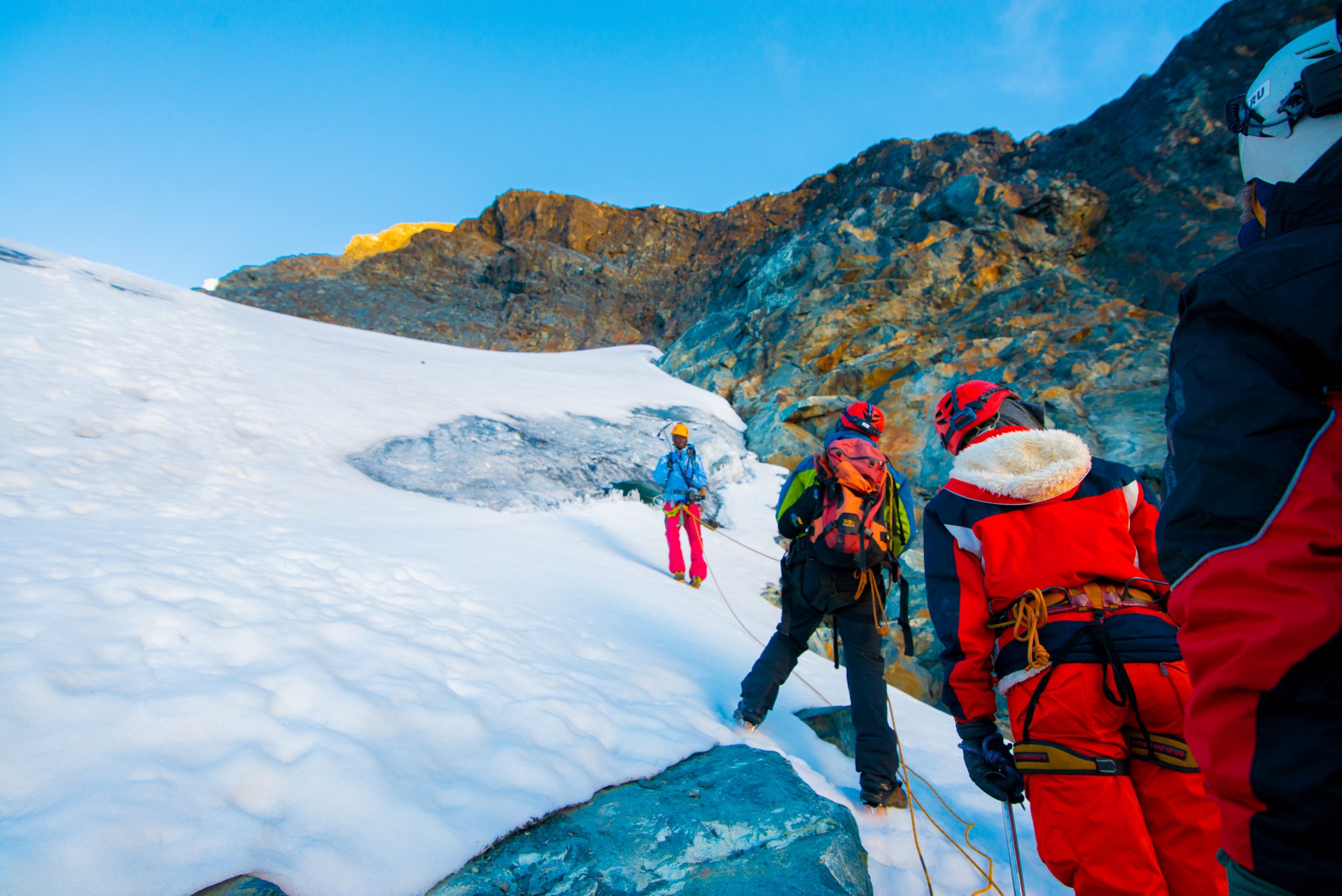
Yes, serious summits are possible, including Margherita Peak (Mount Stanley), one of Africa’s most celebrated technical high points.
Important considerations for summiting
- Glacier travel may be involved (conditions vary year to year)
- Technical sections: ropes, harness, helmet, crampons may be required
- Weather changes quickly, affecting summit windows
- Fitness needs are higher than many “walk-up” treks
If your goal is a summit attempt, plan extra time for acclimatization and weather buffers.
Fitness & Difficulty: Is Rwenzori Trekking Hard?
Rwenzori trekking is physically demanding, not necessarily because of extreme altitude (though it matters), but due to:
- Steep ascents and descents
- Persistent mud and slippery terrain
- Long hiking days
- High humidity at lower elevations
- Cold and exposure at higher zones
Practical fitness benchmark
You’ll enjoy it most if you can comfortably:
- hike 6–8 hours per day
- handle consecutive days of effort
- manage uneven terrain with a pack
What to Pack for the Rwenzori Mountains (The Non-Negotiables)
Rwenzori packing is about waterproofing, warmth, traction, and layering.
Essential gear checklist
- Waterproof jacket + waterproof pants (true rain shells)
- 2–3 quick-dry trekking shirts
- Warm mid-layer (fleece or light down jacket)
- Thermal base layers for nights
- Hiking socks (multiple pairs; consider waterproof socks)
- High-traction hiking boots (well broken-in)
- Gaiters (highly recommended due to mud)
- Gloves + warm hat
- Dry bags / pack liners
- Headlamp + spare batteries
- Trekking poles (excellent for mud and descents)
- Personal meds + blister care kit
- Water purification (tablets/filter) if advised by your guide
Optional but smart
- Spare laces
- Microspikes (sometimes helpful depending on conditions)
- Camera protection (rain covers)
Accommodation: Huts, Camps, and What to Expect
On many itineraries, you’ll stay in mountain huts, simple, functional, and positioned for multi-day progression. Expect:
- Basic sleeping arrangements
- Communal dining areas (varies by camp)
- Cold nights at altitude
- Limited charging options (often none)
The comfort isn’t luxury, it’s the privilege of being deep in equatorial alpine wilderness.
Costs & Permits (What Typically Affects Price)
Pricing for Rwenzori trekking varies widely depending on:
- Route choice (Central Circuit vs Kilembe)
- Duration (days)
- Summit ambition (technical gear/support)
- Group size
- Transfer logistics (Kasese, Fort Portal, Kampala/Entebbe)
- Park fees and guide/porter structure
Cost drivers to keep in mind
- Porters: strongly recommended for safety and enjoyment
- Quality of gear: renting vs bringing your own
- Extra buffer days for weather
- Transport: road transfers can be long
For a combined itinerary (Rwenzori + gorillas or chimp trekking + savannah parks), consult a planner like Turkana Wildlife Safaris to streamline permits and timing.
Sample Itinerary Ideas (Choose Your Style)
6–7 Day Trek (Classic Trekking Experience)
- Best for: strong hikers with limited time
- Focus: scenic zones, hut-to-hut rhythm, high passes (depending on route)
8–10 Day Trek (Better Acclimatization + Summit Option)
- Best for: summit ambitions or relaxed pacing
- Focus: extra buffer, higher success window, less rushed days
Add-on extensions (highly recommended)
- Chimp tracking (Kibale region)
- Gorilla trekking (Bwindi)
- Queen Elizabeth National Park game drives
Explore broader Uganda planning options through Turkana Wildlife Safaris if you want to link mountains and wildlife efficiently.
Safety, Guides, and Responsible Trekking
Rwenzori trekking should be done with licensed guides. This is important for:
- Route navigation (especially in fog/rain)
- River crossings and slippery sections
- Emergency procedures
- Environmental protection and park compliance
Responsible trekking principles
- Pack out all trash
- Stay on established trails
- Respect wildlife and plant life
- Support fair porter practices (reasonable loads, good gear, proper pay)
Photography Tips for Rwenzori Treks
The Rwenzoris reward patient photographers.
Best moments to shoot
- Early morning: clearer peaks, softer light
- After rain: saturated greens, dramatic mist
- Afro-alpine zone: surreal vegetation and textures
Keep gear safe
- Use dry bags and rain covers
- Carry microfiber cloths for lens fog
- Bring spare batteries (cold drains power)
FAQ: Rwenzori Trekking
1) Do I need technical climbing skills for Rwenzori trekking?
Not for standard trekking routes that focus on scenic valleys and passes. Technical skills are mainly needed if you attempt Margherita Peak or similar summits.
2) How many days do I need for a good Rwenzori experience?
A solid experience is usually 6–8 days. For summit plans or a slower pace, 8–10 days is better.
3) Is altitude sickness a concern in the Rwenzoris?
Yes. Even fit hikers can be affected. Choose an itinerary with gradual ascent, hydrate well, and communicate symptoms early.
4) Are the trails really muddy?
Yes, mud is normal here and can be intense, particularly in forest zones. Good boots, gaiters, and trekking poles make a big difference.
5) Can I combine Rwenzori trekking with a Uganda safari?
Absolutely. Many travelers combine the mountains with Queen Elizabeth National Park, Kibale chimps, or Bwindi gorillas. A local planner like Turkana Wildlife Safaris can help coordinate logistics, transfers, and permits.