
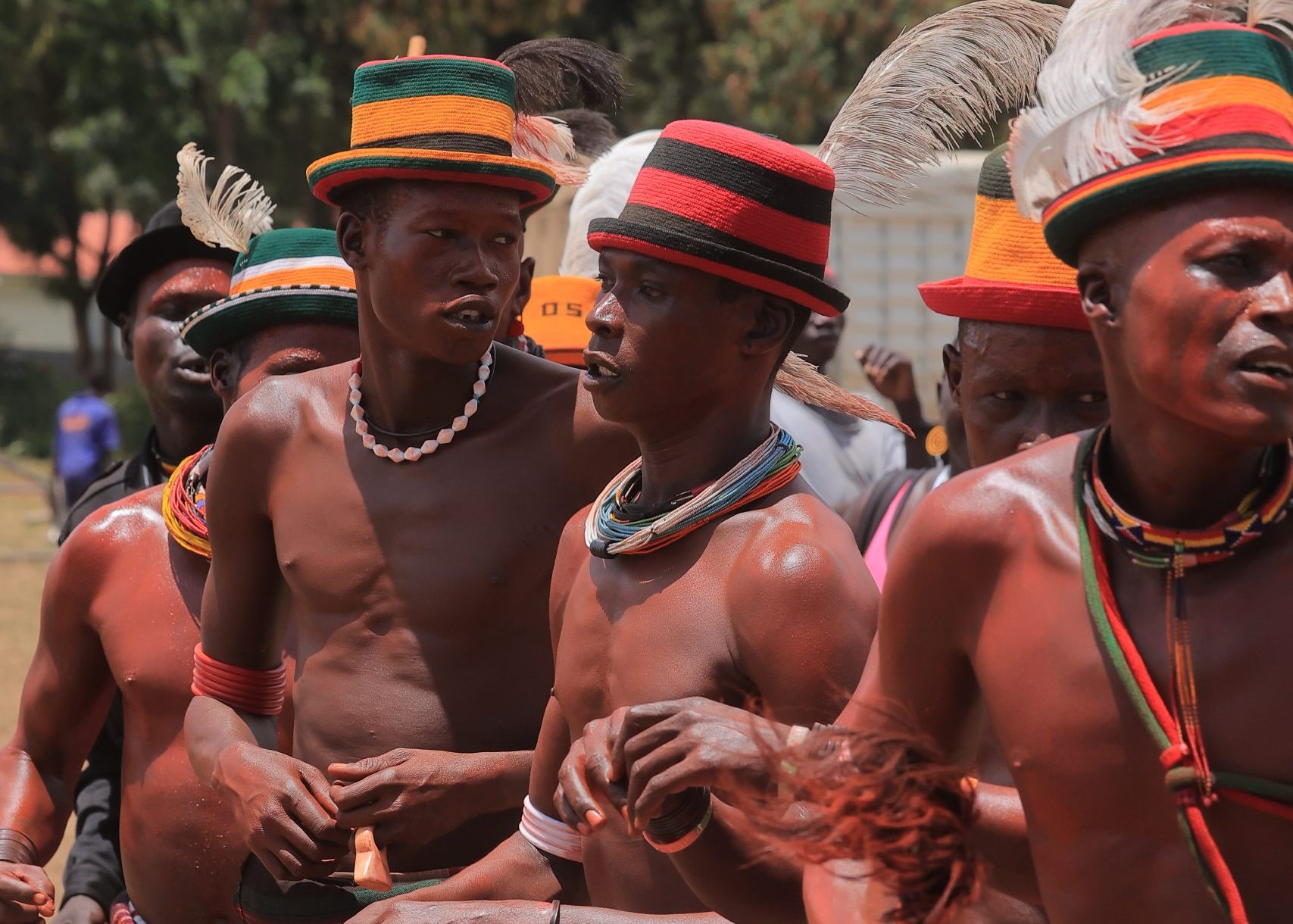
Sabiny Culture Uganda
Sabiny Culture Uganda
Sabiny Culture of Uganda and Turkana Wildlife Safaris Experience: Traditions, Heritage, and Adventure
Uganda’s cultural and natural diversity offers a unique blend of rich indigenous heritage and breathtaking wildlife experiences. Among the most fascinating communities is the Sabiny (Sebei) people of Eastern Uganda, known for their deep-rooted traditions on the slopes of Mount Elgon. When combined with safari experiences inspired by the Turkana region ecosystem of East Africa, visitors get a powerful cultural and wildlife adventure across the greater Mount Elgon Lake Turkana corridor.
1. The Sabiny (Sebei) Culture of Uganda
The Sabiny, also called Sebei, are a Nilotic ethnic group living mainly in the districts of Kapchorwa, Kween, and Bukwo in Eastern Uganda. They are closely related to the Kalenjin communities of Kenya and speak Kupsabiny, a Kalenjin dialect.
They are traditionally mountain people who settled around the fertile slopes of Mount Elgon, practicing farming, livestock keeping, and small-scale trade.
1.1 Social Structure and Clan System
Sabiny society is organized into clans, often numbering over 200. Clan identity is highly important, and members are expected to marry outside their clan. Leadership traditionally rests with elders who guide moral, cultural, and community decisions.
1.2 Traditional Lifestyle and Economy
The Sabiny economy is mainly based on:
- Crop farming (maize, millet, potatoes)
- Livestock rearing (cattle, goats, sheep)
- Small-scale brewing and trade
Their lifestyle is closely tied to the land and seasonal cycles of Mount Elgon.
1.3 Cultural Practices and Rites of Passage
One of the most well known cultural elements of the Sabiny is the rite of passage into adulthood. Traditionally, both boys and girls underwent initiation ceremonies marking their transition into adulthood, including circumcision rituals in the past. These practices have changed significantly due to modernization and government interventions.
Today, cultural education and community celebrations are more emphasized as symbols of identity and unity.
1.4 Language and Identity
The Sabiny speak Kupsabiny, which strengthens their cultural identity and connects them to the broader Kalenjin ethnic group across Uganda and Kenya.
1.5 Religion and Beliefs
Most Sabiny people are Christians, while some follow Islam or traditional African beliefs. Christianity has become dominant in modern Sabiny society, blending with older cultural values.
1.6 Tourism Attractions in Sabiny Land
Sabiny territory is one of Uganda’s most scenic regions. Key attractions include:
- Mount Elgon National Park
- Sipi Falls
- Caves and lava tunnels
- Cultural village experiences
The area is also a gateway to wildlife reserves in northeastern Uganda.
2. Turkana Wildlife Safaris Experience (East Africa Extension)
The Turkana region of northern Kenya and surrounding ecosystems are part of the wider East African safari circuit connected through ecological and cultural landscapes stretching from Uganda’s Mount Elgon to Kenya’s Rift Valley.
Turkana is famous for its harsh but beautiful environment, desert landscapes, and rich wildlife adapted to arid conditions.
2.1 Wildlife Highlights in Turkana Ecosystem
Visitors on safari in the broader Turkana Karamoja corridor may encounter:
- Elephants and buffalo
- Lions and leopards (rare sightings)
- Giraffes and zebras
- Ostriches and antelopes
- Unique desert-adapted species
This region connects with Uganda’s Kidepo Valley National Park, one of Africa’s most remote and wild parks.
2.2 Cultural Safari Experience
A safari here is not only about wildlife but also cultural immersion. Travelers may interact with:
- Turkana pastoralist communities
- Karimojong people of Uganda
- Sabiny communities near Mount Elgon
These groups share pastoral traditions, cattle culture, and storytelling heritage.
2.3 Adventure Activities
Popular safari experiences include:
- Game drives across semi-desert landscapes
- Cultural village visits
- Hiking and trekking around volcanic terrain
- Birdwatching (especially in wetlands near Lake Turkana)
3. Connection Between Sabiny Culture and Turkana Safaris
Although geographically distinct, Sabiny culture and Turkana safari experiences are connected through:
- Shared pastoral traditions (cattle keeping)
- Migration histories across the Rift Valley
- Ecological continuity from Mount Elgon to northern Kenya
- Cross-border cultural exchange among Kalenjin-related groups
This makes the region ideal for combined cultural and wildlife tourism.
4. Frequently Asked Questions (FAQs)
Q1: Who are the Sabiny people of Uganda?
They are a Nilotic ethnic group living on the slopes of Mount Elgon in eastern Uganda, mainly in Kapchorwa, Kween, and Bukwo districts.
Q2: What language do the Sabiny speak?
They speak Kupsabiny, a Kalenjin-related language.
Q3: What is Sabiny culture known for?
It is known for clan-based organization, agriculture, mountain lifestyle, and traditional rites of passage.
Q4: What are the top tourist attractions in Sabiny land?
Sipi Falls, Mount Elgon National Park, caves, and cultural villages.
Q5: What is included in Turkana wildlife safaris?
Game drives, cultural visits, desert landscapes, birdwatching, and exploration of Lake Turkana ecosystems.
Q6: Can Sabiny culture and Turkana safaris be combined in one trip?
Yes. Travelers can combine Eastern Uganda cultural tours with northern Kenya safari routes through the greater Rift Valley circuit.
5. Conclusion
The Sabiny people of Uganda represent a deeply rooted mountain culture shaped by clan traditions, agriculture, and strong community identity. Their homeland around Mount Elgon offers rich cultural and natural tourism experiences.
When combined with the wider Turkana wildlife safari ecosystem, travelers gain a complete East African journey one that blends culture, wildlife, landscapes, and heritage across Uganda and Kenya.
This connection makes the Sabiny Turkana tourism route a powerful example of how Africa’s cultural diversity and natural beauty come together in one unforgettable experience.