
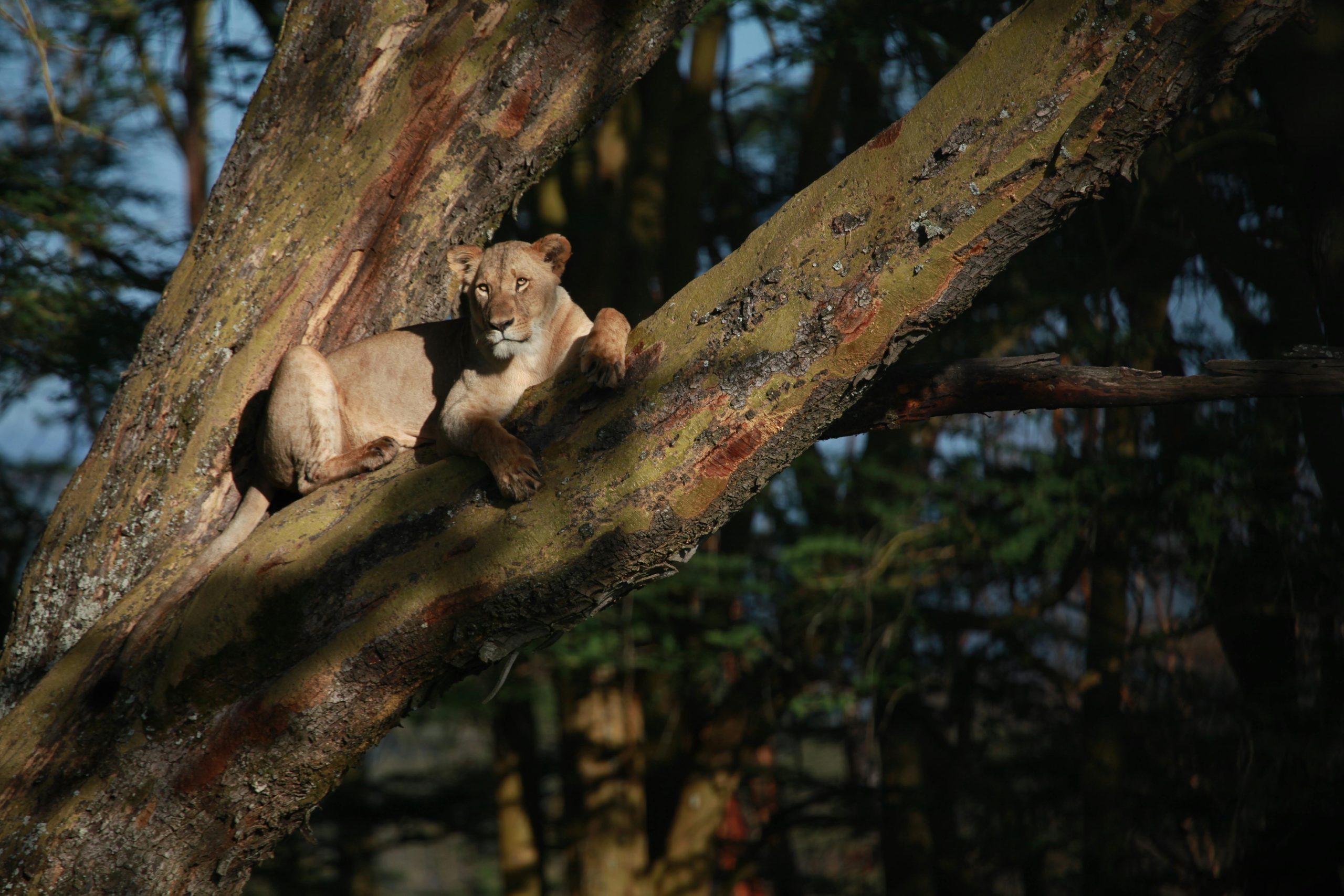
Safari Activities in Kenya
Safari Activities in Kenya
The Ultimate Guide to Safari Activities in Kenya: Discover the Heart of African Wilderness
Kenya, a land of breathtaking landscapes and abundant wildlife, stands as one of the most iconic safari destinations in the world. From the vast savannahs of the Maasai Mara to the snow-capped peaks of Mount Kenya, this East African gem offers a rich tapestry of safari experiences that captivate the soul and ignite the spirit of adventure.
In this comprehensive guide, we delve deep into the most thrilling, unique, and unforgettable safari activities in Kenya. Whether you’re a seasoned explorer or a first-time visitor, this article will help you chart the perfect journey through Kenya’s wild heart.
Why Kenya is the Crown Jewel of African Safaris
Kenya is synonymous with the word “safari“, a Swahili term meaning “journey.” Its diverse ecosystems, ranging from arid deserts to lush forests, support an extraordinary array of wildlife. The country is home to the famed “Big Five”—lion, leopard, elephant, buffalo, and rhino—as well as hundreds of bird species and lesser-known but equally fascinating animals.
Key Highlights:
- Home to over 50 national parks and reserves
- Hosts the Great Wildebeest Migration
- Rich cultural heritage with over 40 ethnic groups
- Year-round game viewing opportunities
Top Safari Activities in Kenya
1. Game Drives in National Parks and Reserves
Game drives are the quintessential safari experience. Conducted in open-roof 4×4 vehicles, these excursions offer unparalleled opportunities to observe wildlife in their natural habitat.
Best Places for Game Drives:
- Maasai Mara National Reserve – World-renowned for the Great Migration and predator sightings
- Amboseli National Park – Famous for large elephant herds and views of Mount Kilimanjaro
- Tsavo National Parks – Kenya’s largest park, known for red elephants and rugged terrain
- Lake Nakuru National Park – A birdwatcher’s paradise, home to flamingos and rhinos
2. Hot Air Balloon Safaris
Soar above the savannah at dawn in a hot air balloon, watching herds of wildebeest and elephants roam below. This serene, bird’s-eye view offers a magical perspective of Kenya’s landscapes.
Why Choose a Balloon Safari?
- Unmatched panoramic views
- Ideal for photography
- Includes a champagne breakfast in the bush
3. Walking Safaris
For those seeking a more intimate connection with nature, walking safaris offer a chance to explore the wilderness on foot, guided by experienced rangers.
Best Locations:
- Laikipia Plateau – Home to private conservancies and rare species like the African wild dog
- Lewa Wildlife Conservancy – A UNESCO World Heritage Site known for rhino conservation
- Hell’s Gate National Park – Offers dramatic landscapes and geothermal features
4. Night Game Drives
Experience the nocturnal side of the savannah with a night game drive. Spot elusive creatures like aardvarks, bush babies, and leopards under the cover of darkness.
5. Cultural Visits to Local Communities
Kenya’s safari experience is incomplete without engaging with its rich cultural tapestry. Visit traditional Maasai, Samburu, or Turkana villages to learn about indigenous customs, dances, and crafts.
Cultural Highlights:
- Participate in traditional ceremonies
- Learn beadwork and spear-throwing
- Support community-based tourism initiatives
Unique Safari Experiences in Kenya
1. Horseback Safaris
Ride alongside giraffes and zebras across open plains. Horseback safaris offer a unique, eco-friendly way to explore Kenya’s wilderness.
Top Spots:
- Borana Conservancy – Offers luxury lodges and guided rides
- Ol Donyo Lodge – Set in the Chyulu Hills with views of Kilimanjaro
2. Camel Safaris
Explore the arid landscapes of Northern Kenya on a camel-back safari, guided by local Samburu warriors.
Ideal Regions:
3. Bird Watching Safaris
With over 1,100 recorded species, Kenya is a paradise for bird lovers.
Birding Hotspots:
- Lake Naivasha – Home to fish eagles and kingfishers
- Kakamega Forest – Kenya’s only tropical rainforest
- Arabuko Sokoke Forest – Hosts endemic species like the Sokoke scops owl
4. Conservation and Volunteer Safaris
Join hands in wildlife conservation efforts. Many conservancies offer programs where visitors can participate in tracking, monitoring, and community outreach.
Recommended Programs:
- David Sheldrick Wildlife Trust – Elephant orphanage and rehabilitation
- Ol Pejeta Conservancy – Home to the last two northern white rhinos
Best Time to Go on Safari in Kenya
Kenya offers year-round safari opportunities, but certain seasons offer distinct advantages.
Seasonal Guide:
- January to March – Dry season; great for game viewing
- April to June – Long rains; fewer tourists, lush landscapes
- July to October – Peak season; Great Migration in Maasai Mara
- November to December – Short rains; excellent birdwatching
Safari Packing List
Essentials:
- Lightweight, neutral-colored clothing
- Wide-brimmed hat and sunglasses
- Binoculars and camera with zoom lens
- Insect repellent and sunscreen
- Reusable water bottle
Optional:
- Travel journal
- Power bank
- Field guide for African wildlife
- Swimsuit (many lodges have pools)
Responsible Safari Tips
- Choose eco-friendly lodges and camps
- Avoid single-use plastics
- Respect wildlife and maintain safe distances
- Support local artisans and community projects
- Follow park rules and ranger instructions
Top Safari Lodges and Camps in Kenya
Luxury Options:
- Angama Mara – Overlooking the Great Rift Valley
- Saruni Samburu – Stunning architecture and views
- Ol Malo Lodge – Family-run, authentic experiences
Mid-Range:
- Mara Explorer Camp – Intimate riverside tents
- Porini Camps – Eco-camps in private conservancies
Budget-Friendly:
- Kembu Cottages – Located near Lake Nakuru
- Wildebeest Eco Camp – Nairobi-based, great for first nights
Frequently Asked Questions (FAQ)
1. What is the best time to see the Great Migration in Kenya?
The best time is between July and October, when over 1.5 million wildebeest, zebras, and gazelles cross the Mara River in the Maasai Mara.
2. Are safaris in Kenya safe?
Yes, safaris are generally safe when organized through reputable tour operators. Always follow the guidance of your safari guide and avoid venturing out alone in the wild.
3. Do I need vaccinations to travel to Kenya?
Yes, vaccinations for yellow fever, typhoid, and hepatitis A are recommended. Consult your doctor before travel.
4. Can I go on safari with children?
Absolutely! Many lodges offer family-friendly safaris with activities tailored for kids, such as junior ranger programs and nature walks.
5. How do I choose the right safari operator?
Look for operators with EcoTourism Kenya certification, positive reviews, and transparent pricing. Recommendations from travel forums and blogs can also be helpful.
Final Thoughts
A safari in Kenya is more than just a vacation—it’s a transformative journey into the wild, a chance to reconnect with nature, and a window into the soul of Africa. Whether you’re gliding over the plains in a hot air balloon, walking among elephants, or sharing stories around a campfire, Kenya offers a safari experience like no other.
So pack your bags, charge your camera, and let the rhythm of the savannah guide your next adventure.