
Safari Flightseeing
Safari Flightseeing
The Ultimate Guide to Safari Flightseeing: A Bird’s-Eye View of the Wild
Introduction
Embarking on a safari flightseeing adventure is an unparalleled experience that allows you to witness the vast beauty of the wilderness from a unique vantage point. Instead of the traditional ground safari, flightseeing offers a bird’s-eye view of some of the most breathtaking landscapes and wildlife on Earth. From the sweeping plains of the Serengeti to the lush deltas of Botswana, this type of safari provides an unforgettable perspective on the natural world.
In this comprehensive guide, we will explore everything you need to know about safari flightseeing, including the best destinations, what to expect, and how to prepare for this once-in-a-lifetime experience. Whether you’re a seasoned traveler or a first-time adventurer, this guide will help you make the most of your flightseeing safari.
What is Safari Flightseeing?
Safari flightseeing is a type of aerial tour where travelers board small aircraft, such as planes or helicopters, to observe wildlife and landscapes from the sky. This form of safari is popular in regions with vast, open spaces where animals roam freely, and the terrain is difficult to traverse by road. It offers an immersive experience, allowing you to see large herds of animals, dramatic landscapes, and remote areas that are otherwise inaccessible.
Benefits of Safari Flightseeing
- Unobstructed Views: From the air, you can see vast expanses of wilderness, including areas that are difficult to reach by vehicle.
- Unique Perspective: Aerial views provide a different perspective on wildlife behavior and migration patterns.
- Time Efficiency: Cover large areas in a short amount of time, maximizing your safari experience.
- Less Intrusive: Flying over animals minimizes disturbance, allowing you to observe them in their natural habitat without causing stress.
Top Safari Flightseeing Destinations
1. Serengeti National Park, Tanzania
The Serengeti is one of the most iconic safari destinations in the world, known for its annual Great Migration, where millions of wildebeest, zebras, and gazelles move across the plains in search of fresh grazing grounds. A flightseeing tour over the Serengeti offers a spectacular view of this natural phenomenon, as well as the chance to spot predators like lions, leopards, and cheetahs from above.
- Best Time to Visit: June to October (Great Migration)
- Highlights: The Great Migration, predators, vast savannah landscapes
2. Okavango Delta, Botswana
The Okavango Delta is a lush, water-filled oasis in the middle of the Kalahari Desert. It is home to a rich diversity of wildlife, including elephants, hippos, crocodiles, and numerous bird species. A flightseeing tour over the delta provides a stunning view of the intricate waterways and islands that make up this unique ecosystem.
- Best Time to Visit: May to September (dry season)
- Highlights: Waterways, elephants, birdlife
3. Maasai Mara, Kenya
The Maasai Mara is another prime location for witnessing the Great Migration, as well as for spotting the “Big Five” (lions, leopards, elephants, rhinos, and buffalo). A flightseeing tour over the Maasai Mara offers a panoramic view of the rolling plains and the chance to see large herds of animals moving across the landscape.
- Best Time to Visit: July to October (Great Migration)
- Highlights: Big Five, Great Migration, Maasai culture
4. Kruger National Park, South Africa
Kruger National Park is one of Africa’s largest game reserves, known for its incredible biodiversity. A flightseeing tour over Kruger offers a unique perspective on the park’s varied landscapes, from dense forests to open savannahs. You may also spot a wide range of wildlife, including the Big Five and endangered species like the African wild dog.
- Best Time to Visit: May to September (dry season)
- Highlights: Big Five, diverse landscapes, endangered species
5. Namibia’s Skeleton Coast
The Skeleton Coast is one of the most remote and desolate regions of Africa, known for its stark beauty and shipwrecks along the coastline. A flightseeing tour over this area offers a dramatic view of the desert meeting the ocean, as well as the chance to see wildlife such as seals, elephants, and even lions that have adapted to the harsh environment.
- Best Time to Visit: Year-round
- Highlights: Shipwrecks, desert landscapes, unique wildlife
6. Bwindi Impenetrable Forest, Uganda
Uganda offers a unique flightseeing safari experience over the Bwindi Impenetrable Forest, home to half of the world’s remaining mountain gorillas. While gorilla trekking is traditionally done on foot, a flight over this dense forest provides an awe-inspiring view of the lush greenery and the steep, rugged terrain. You may also spot other wildlife, such as forest elephants and a variety of bird species.
- Best Time to Visit: June to September, December to February
- Highlights: Mountain gorillas, forest elephants, birdlife
7. Volcanoes National Park, Rwanda
Rwanda’s Volcanoes National Park is renowned for its mountain gorillas and the dramatic volcanic landscape. A flightseeing tour over this region offers a breathtaking view of the Virunga Mountains, a chain of volcanoes that stretch across the borders of Rwanda, Uganda, and the Democratic Republic of Congo. The aerial perspective allows you to appreciate the scale and beauty of the park, as well as the dense forests that are home to the gorillas.
- Best Time to Visit: June to September, December to February
- Highlights: Virunga Mountains, mountain gorillas, volcanic landscapes
What to Expect on a Safari Flightseeing Tour
Aircraft Types
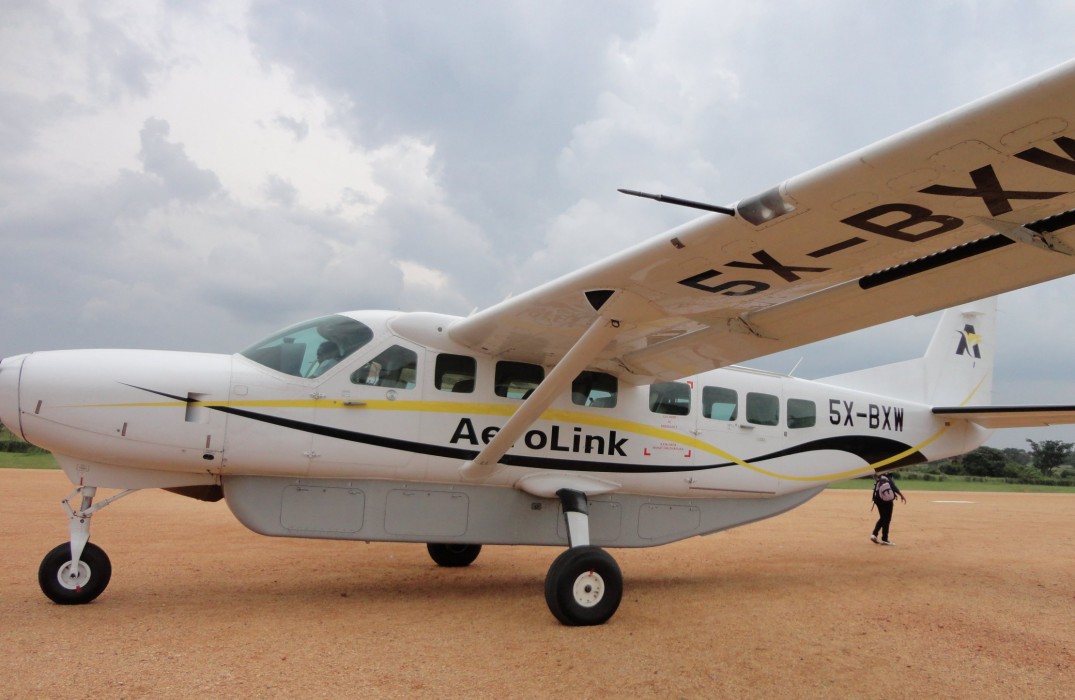
Safari flightseeing tours typically use small aircraft, such as Cessna planes or helicopters, which allow for low-altitude flying and better visibility. These aircraft are designed for comfort and safety, with large windows for optimal viewing.
Duration of Flights
Most safari flightseeing tours last between 1 to 3 hours, depending on the destination and the specific itinerary. Some tours may include multiple stops or combine flightseeing with ground safaris for a more comprehensive experience.
Wildlife Viewing
While wildlife sightings are not guaranteed, flightseeing tours often provide excellent opportunities to see large herds of animals, especially in regions like the Serengeti or Maasai Mara during the Great Migration. You may also spot predators, such as lions or cheetahs, stalking their prey from above.
Scenic Highlights
In addition to wildlife, safari flightseeing tours offer stunning views of natural landmarks, such as mountain ranges, rivers, and waterfalls. For example, a flight over Victoria Falls provides a breathtaking view of one of the world’s largest waterfalls.
How to Prepare for a Safari Flightseeing Adventure
What to Pack
- Camera with Zoom Lens: A good camera is essential for capturing the incredible views and wildlife from the air. A zoom lens will help you get close-up shots of animals and landscapes.
- Binoculars: While the aircraft will fly low, binoculars can enhance your viewing experience, especially for spotting distant wildlife.
- Sunscreen and Sunglasses: The sun can be intense at higher altitudes, so be sure to protect your skin and eyes.
- Comfortable Clothing: Dress in layers, as temperatures can vary during the flight. Light, breathable fabrics are ideal for warm climates.
Health and Safety Tips
- Motion Sickness: If you’re prone to motion sickness, consider taking medication before the flight. The small size of the aircraft can make the ride a bit bumpy, especially in windy conditions.
- Hydration: Bring a water bottle to stay hydrated during the flight, especially in hot climates.
- Listen to the Pilot: Your pilot will provide important safety instructions and information about the flight. Be sure to listen carefully and follow their guidance.
FAQs
1. Is safari flightseeing safe?
Yes, safari flightseeing is generally safe. The aircraft used for these tours are well-maintained, and the pilots are highly experienced in flying over rugged terrain. However, it’s important to choose a reputable tour operator with a strong safety record.
2. What is the best time of year for safari flightseeing?
The best time for safari flightseeing depends on the destination. For example, the dry season (May to September) is ideal for most African safari destinations, as wildlife is easier to spot around water sources. The Great Migration in the Serengeti and Maasai Mara occurs from June to October, making this a prime time for flightseeing in those areas.
3. Can I combine flightseeing with a traditional ground safari?
Yes, many safari operators offer combination packages that include both flightseeing and ground safaris. This allows you to experience the best of both worlds—seeing wildlife from the air and up close on the ground.
4. How much does a safari flightseeing tour cost?
The cost of a safari flightseeing tour varies depending on the destination, duration, and type of aircraft. Prices typically range from $200 to $1,000 per person, with private tours costing more.
5. What wildlife can I expect to see on a safari flightseeing tour?
The wildlife you see will depend on the destination and time of year. In places like the Serengeti and Maasai Mara, you can expect to see large herds of wildebeest, zebras, and gazelles during the Great Migration, as well as predators like lions and cheetahs. In the Okavango Delta, you may spot elephants, hippos, and crocodiles. In Uganda and Rwanda, you may see mountain gorillas, forest elephants, and a variety of bird species.
Conclusion
Safari flightseeing offers a unique and exhilarating way to experience the natural beauty and wildlife of Africa. Whether you’re soaring over the vast plains of the Serengeti or gliding above the waterways of the Okavango Delta, this type of safari provides an unforgettable perspective on the wild. By choosing the right destination, preparing properly, and following safety guidelines, you can make the most of your safari flightseeing adventure.