
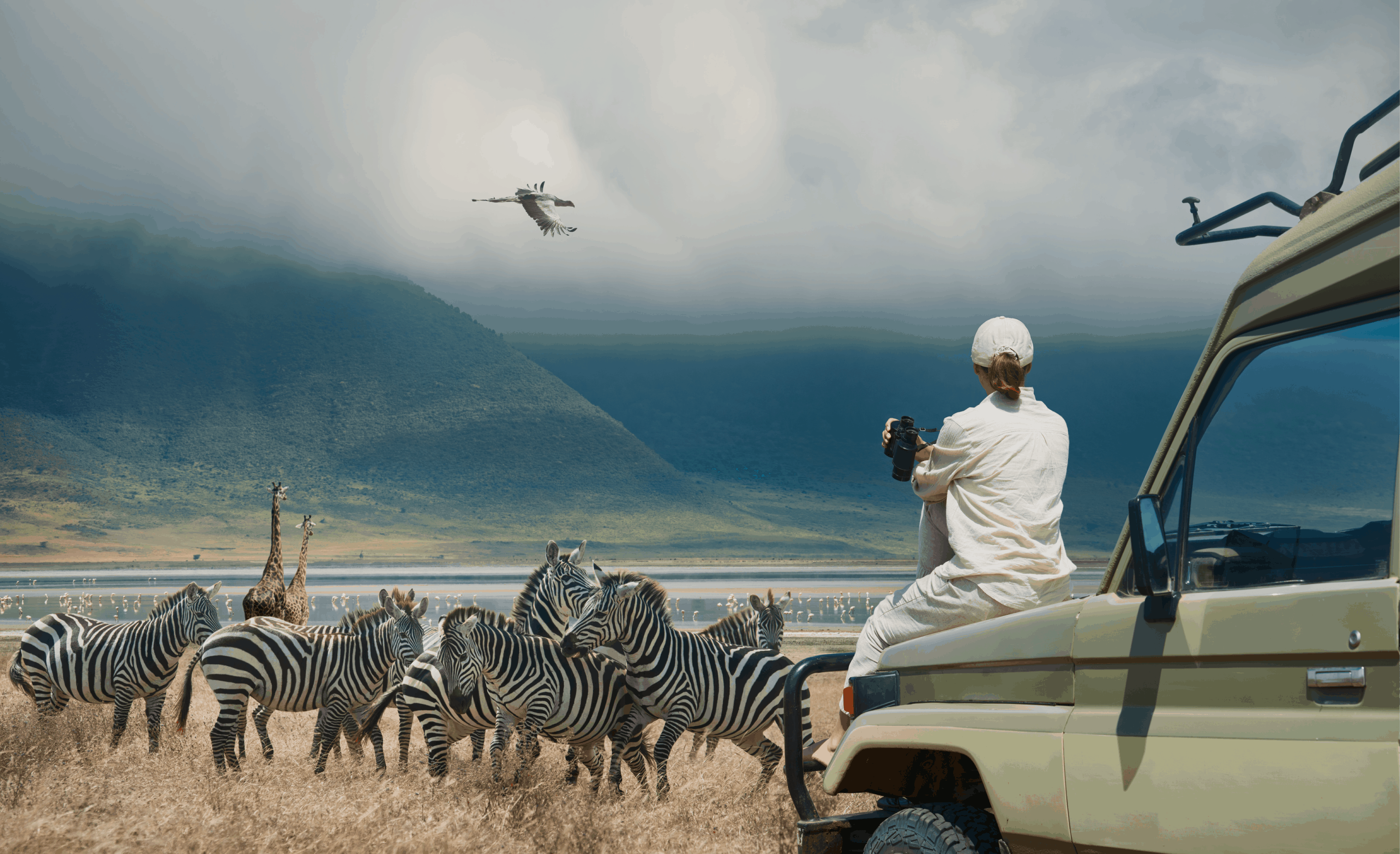
Safari Holiday
Safari Holiday
The Ultimate Safari Holiday
Introduction
Embarking on a safari holiday in East Africa is a dream come true for many adventure enthusiasts and nature lovers. This region, comprising Uganda, Kenya, Tanzania, and Rwanda, offers an unparalleled experience of wildlife, landscapes, and cultural richness. Each country boasts unique attractions, from the majestic Mount Kilimanjaro in Tanzania to the lush Bwindi Impenetrable Forest in Uganda. This article delves into the wonders of a safari holiday across these four incredible destinations, providing insights into what makes each country a must-visit.
Uganda: The Pearl of Africa
Discovering Uganda’s Wildlife
Uganda, often referred to as the “Pearl of Africa,” is renowned for its diverse ecosystems and abundant wildlife. The country is home to the famous Bwindi Impenetrable National Park, a UNESCO World Heritage site that shelters nearly half of the world’s mountain gorilla population. Gorilla trekking in Bwindi is a once-in-a-lifetime experience, allowing visitors to observe these gentle giants in their natural habitat.
- Key Wildlife Attractions:
- Mountain gorillas in Bwindi
- Chimpanzees in Kibale National Park
- Tree-climbing lions in Queen Elizabeth National Park
Cultural Experiences in Uganda
Beyond wildlife, Uganda offers rich cultural experiences. The country is home to over 50 ethnic groups, each with its own traditions and customs. Visitors can engage with local communities, participate in traditional dances, and learn about the history and heritage of the Ugandan people.
Kenya: The Heart of Safari
The Great Migration in Maasai Mara
Kenya is synonymous with safari, and the Maasai Mara National Reserve is the crown jewel of its wildlife offerings. The reserve is famous for the Great Migration, where millions of wildebeest, zebras, and other herbivores traverse the plains in search of greener pastures. This natural spectacle is a testament to the resilience and beauty of the animal kingdom.
- Key Wildlife Attractions:
- The Big Five (lion, leopard, elephant, buffalo, and rhino)
- Cheetahs and giraffes in Maasai Mara
- Flamingos in Lake Nakuru
Exploring Kenyan Culture
Kenya’s cultural landscape is as diverse as its wildlife. The Maasai people, known for their distinctive customs and dress, offer a glimpse into the traditional way of life. Visitors can explore Maasai villages, learn about their customs, and even participate in traditional ceremonies.
Tanzania: The Land of Kilimanjaro
Serengeti National Park
Tanzania’s Serengeti National Park is a vast expanse of savannah that hosts one of the most diverse ecosystems on the planet. The park is home to the Big Five and offers incredible opportunities for wildlife photography and observation. The Serengeti is also a key location for witnessing the Great Migration, making it a must-visit for any safari enthusiast.
- Key Wildlife Attractions:
- The Big Five in Serengeti
- Wildebeest migration
- Ngorongoro Crater’s unique ecosystem
Climbing Mount Kilimanjaro
For adventure seekers, climbing Mount Kilimanjaro is a bucket-list experience. As the highest peak in Africa, Kilimanjaro offers breathtaking views and a challenging trek through diverse climatic zones. The journey to the summit is both physically demanding and spiritually rewarding.
Rwanda: The Land of a Thousand Hills
Gorilla Trekking in Volcanoes National Park
Rwanda, known as the “Land of a Thousand Hills,” is a haven for gorilla trekking. The Volcanoes National Park is home to several habituated gorilla families, allowing visitors to have an intimate encounter with these magnificent creatures. The park’s lush landscapes and volcanic mountains provide a stunning backdrop for this unique experience.
- Key Wildlife Attractions:
- Mountain gorillas in Volcanoes National Park
- Golden monkeys in the bamboo forests
- Birdwatching in Nyungwe Forest
Rwanda’s Cultural Heritage
Rwanda’s history and culture are deeply intertwined, offering visitors a chance to learn about the resilience and spirit of its people. The country has made significant strides in reconciliation and development since the 1994 genocide, and visitors can explore memorial sites, museums, and cultural centers to gain a deeper understanding of Rwanda’s journey.
Planning Your Safari Holiday
Best Time to Visit
The best time to embark on a safari holiday in East Africa depends on the specific experiences you seek. Generally, the dry season (June to October) is ideal for wildlife viewing, as animals gather around water sources. However, the wet season (November to May) offers lush landscapes and fewer crowds.
Safari Tips and Essentials
- Packing List:
- Lightweight, breathable clothing
- Binoculars and a good camera
- Insect repellent and sunscreen
- Health and Safety:
- Vaccinations (e.g., yellow fever)
- Malaria prophylaxis
- Travel insurance
Choosing the Right Safari Package
When planning a safari holiday, it’s essential to choose a package that aligns with your interests and budget. Consider factors such as the duration of the safari, the type of accommodation (luxury lodges, tented camps, or budget options), and the specific wildlife experiences you wish to have.
Conclusion
A safari holiday in Uganda, Kenya, Tanzania, and Rwanda offers an unforgettable journey through some of the most breathtaking landscapes and wildlife habitats on Earth. Each country presents unique opportunities for adventure, cultural immersion, and wildlife encounters. Whether you’re trekking with gorillas in Uganda, witnessing the Great Migration in Kenya, climbing Mount Kilimanjaro in Tanzania, or exploring the hills of Rwanda, East Africa promises an experience that will leave you with memories to cherish for a lifetime.
FAQ
1. What is the best time to visit East Africa for a safari holiday?
The best time to visit East Africa for a safari holiday is during the dry season, from June to October, when wildlife viewing is at its peak.
2. How can I see the Great Migration?
The Great Migration can be witnessed in the Maasai Mara National Reserve in Kenya and the Serengeti National Park in Tanzania, typically between July and October.
3. Is gorilla trekking safe?
Yes, gorilla trekking is safe when conducted with experienced guides and following park regulations. Permits are required to ensure the protection of the gorillas.
4. What should I pack for a safari holiday?
Pack lightweight, breathable clothing, binoculars, a camera, insect repellent, sunscreen, and any necessary medications or vaccinations.
5. How do I choose the right safari package?
Consider your interests, budget, and the type of wildlife experiences you wish to have when choosing a safari package. Research different tour operators and read reviews to find the best fit for your needs.